Montenegro History: A Visitor's Timeline from Duklja to 2006
Montenegro's history for visitors: Duklja and Zeta, Venetian Kotor, the prince-bishops of Cetinje, the 1878 kingdom, Yugoslavia and the 2006 independence vote.
On this page
Montenegro became an independent state on 3 June 2006, when its parliament declared independence after a referendum in which just over the required 55% of voters said yes. That vote ended the State Union of Serbia and Montenegro and made the country the 192nd member of the United Nations. This guide follows the eras that explain what a visitor sees in Kotor, Cetinje and Podgorica, in order, with the dates attached to each.
The focus is on places you can stand in and the moment they belong to: the medieval churches inside Kotor's walls, the old capital at Cetinje, and the modern city on the site of Doclea. Background that does not help you choose between towns is left out, and current opening hours and ticket prices are best confirmed with each site before you go.
What Montenegro was before it was a country: the name Crna Gora and the medieval coast
The name Montenegro translates as Black mountain, from the Serbian Crna Gora, and refers to the dark forests that once covered the Dinaric Alps. Before any of that had political weight, the area was part of a rotating sequence of Balkan states and empires. Visitors moving between towns in the interior and the coast are travelling through layers that were never neatly separated along modern borders.
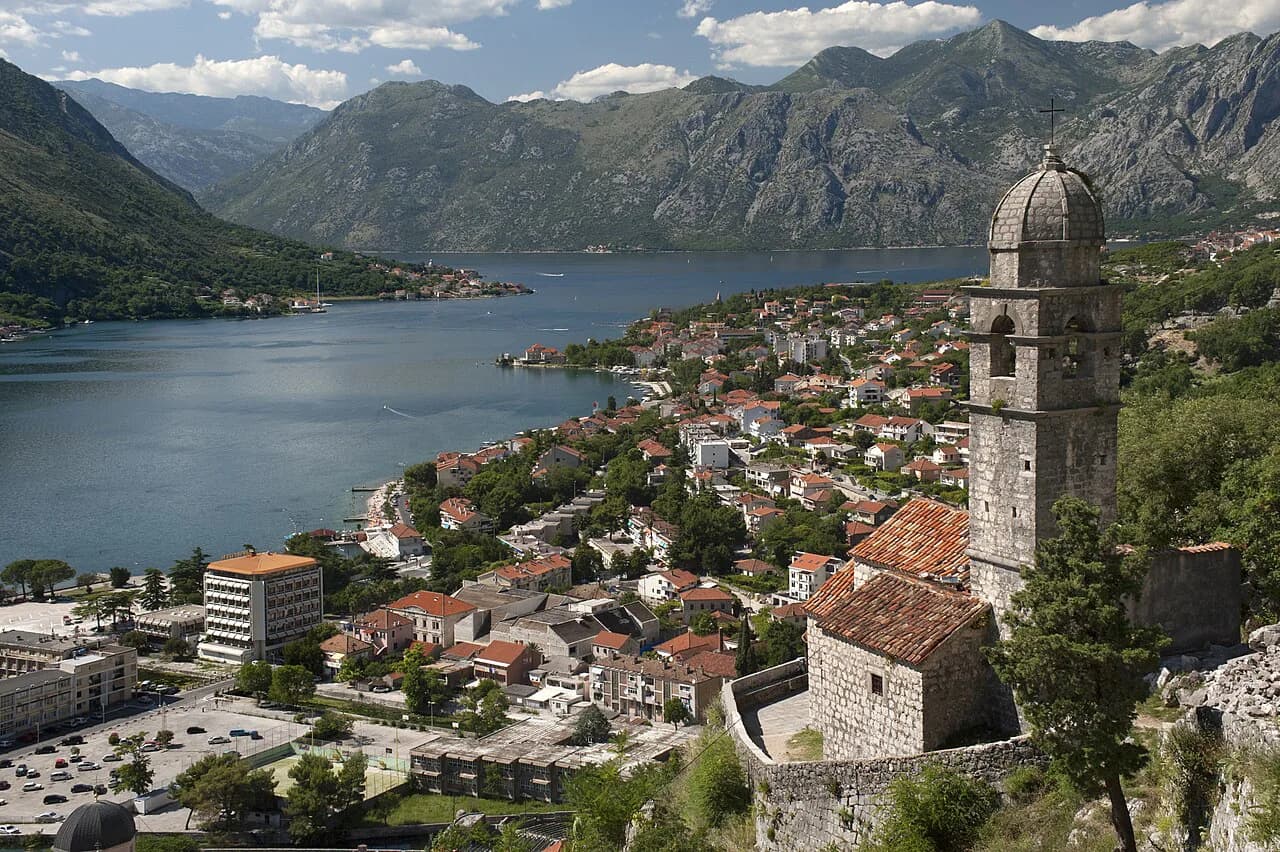
Kotor sits at the point where those layers are most crowded for a visitor. The city's medieval architecture and cultural heritage put it on the UNESCO World Heritage list, and the old town keeps buildings and houses put up between the twelfth and fourteenth centuries. That is enough to make the town itself the first stop on any historical tour of the country. If you want the wider list of inscribed places to plan around, our guide to Montenegro's UNESCO Sites sets out the options.
Medieval Kotor and the Venetian Boka: what the old town's fabric records
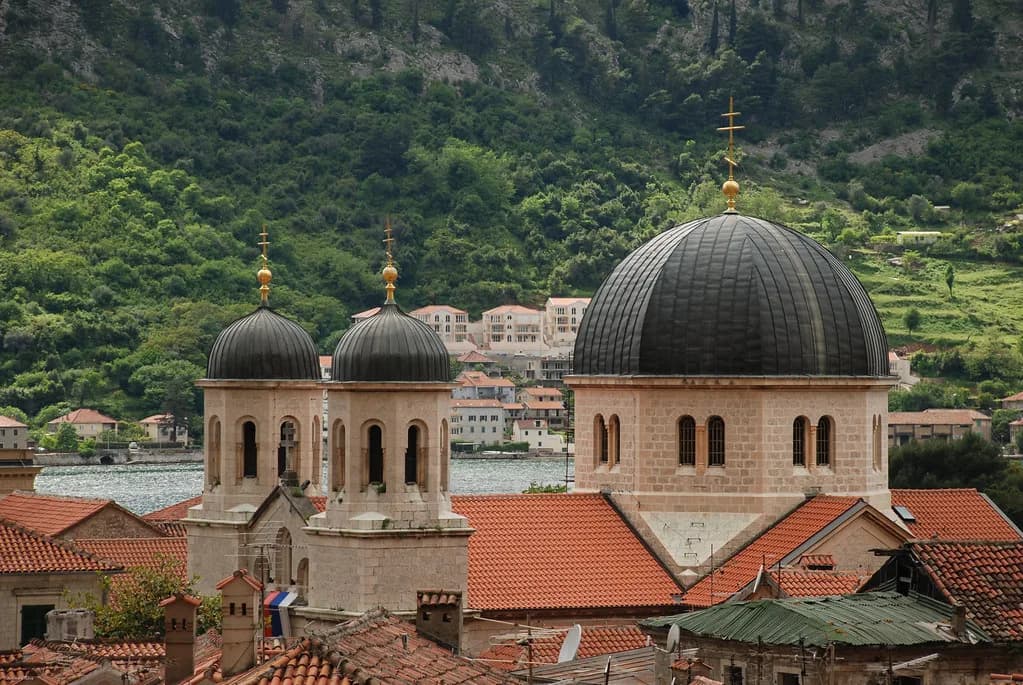
Inside Kotor's walls the buildings are crammed close, and several churches are stacked within a few minutes' walk of one another. The Cathedral of St Tryphon, Sveti Tripun, stands on one of the squares and is the city's symbol; the Church of Saint Luke, Sveti Luka, dates from the thirteenth century, and St Anne's, Sveta Ana, from the twelfth. The seventeenth-century Prince's Palace and the nineteenth-century Napoleon Theatre are nearby, so a single loop through the lanes covers several centuries.
This is the Boka Kotorska, the Bay of Kotor, where Venetian influence shaped the coastal towns for centuries. For a walking route that treats the waterfront towns as one story rather than separate stops, see our Bay of Kotor history guide, which follows the same fabric along the shore. The architecture rewards a slow pace rather than a checklist. If buildings are the reason you travel, our guide to Montenegro architecture covers the forms and details to look for in Herceg Novi and elsewhere on the coast.
Cetinje and the prince-bishops: why the old capital looks the way it does
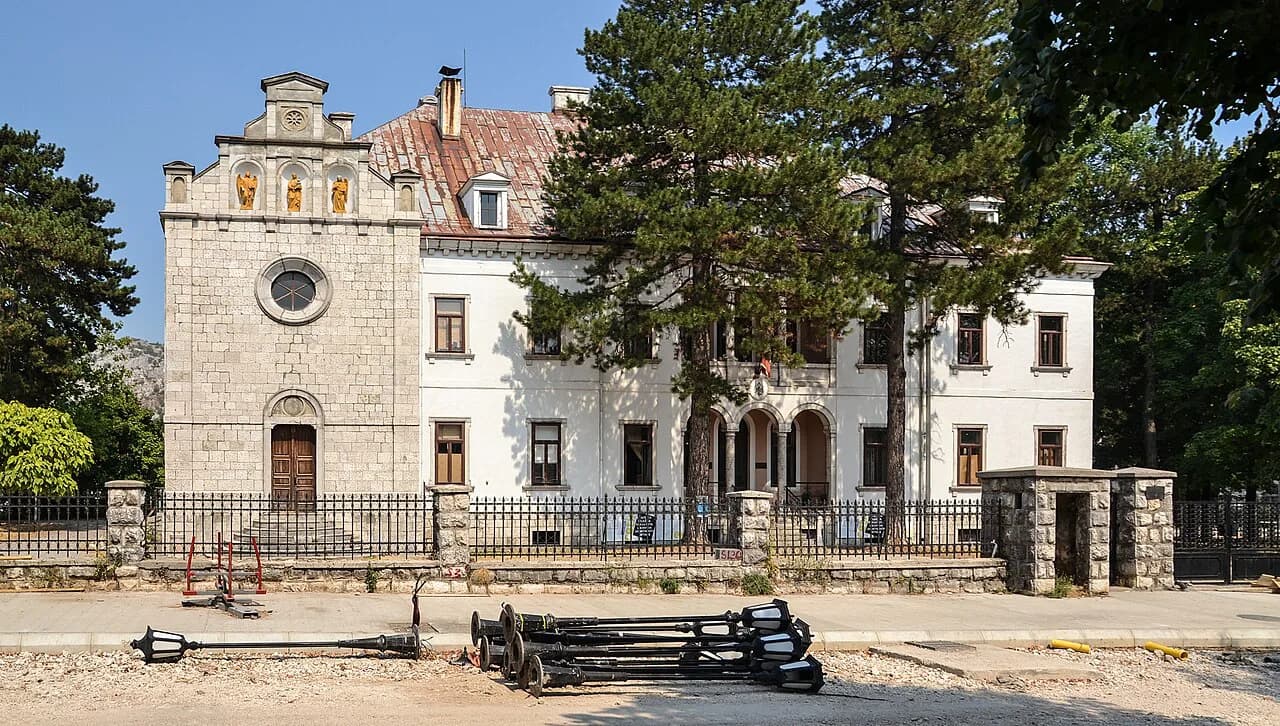
Cetinje, not Podgorica, was the Montenegrin capital for the period that matters most in the national story. Under Ottoman rule Montenegro kept a substantial measure of autonomy between the fifteenth and eighteenth centuries, and the BBC timeline records the country as an independent principality from 1798, before wider recognition followed in 1878. The prince-bishops who governed from Cetinje left their mark on the town's churches and palace buildings, which is why it looks like a capital in miniature rather than a market town.
American envoys accredited to Montenegro after diplomatic relations began in 1905 were based in Athens and made annual visits to Cetinje. Walking the old capital today, that small-scale and long-isolated court is easy to imagine. For the collections that hold the detail, our guide to Montenegro Museums covers the national institutions, including the National Museum of Montenegro in Cetinje.
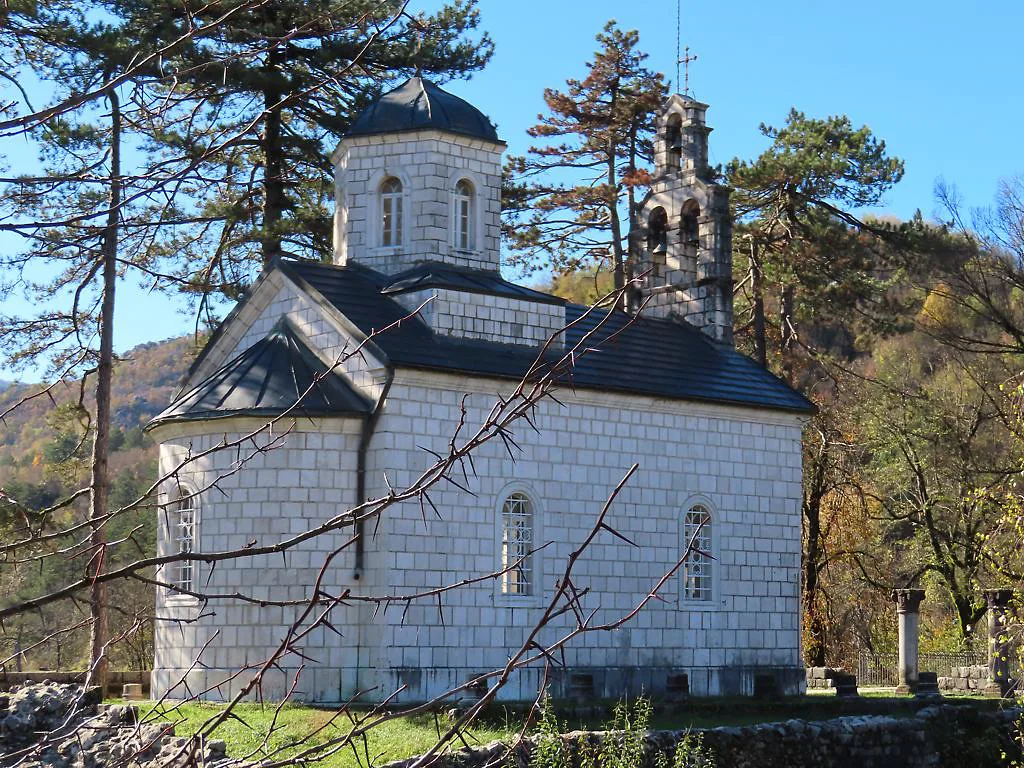
1878: independence recognised at the Congress of Berlin
The Great Powers of Europe recognised an independent and sovereign Principality of Montenegro at the Congress of Berlin in 1878, and Montenegrin independence was recognised under international treaties in the same year. This is the date to hold on to if you want to understand why Cetinje's buildings from the following decades look confident rather than defensive.
The United States recognised Montenegro on 3 March 1905, when President Theodore Roosevelt approved an act assigning the American mission in Greece responsibility for representation, and diplomatic relations opened on 30 October 1905 when the envoy presented his credentials to Prince Nikola. If you are reading the country's history as a timeline, this is the point where the small Balkan principality starts appearing in the diplomatic record of the wider world.
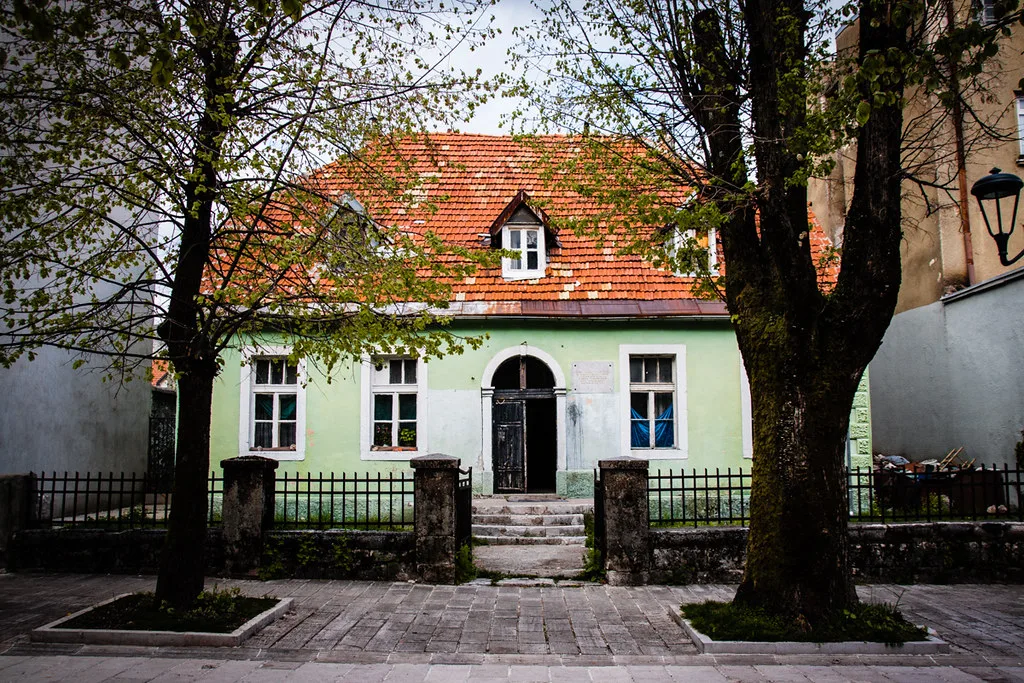
1910 to 1918: the short kingdom under King Nikola and the merger into Yugoslavia
Montenegro became an independent kingdom in 1910, with King Nikola on the throne. The kingdom lasted only a handful of years. After the First World War, King Nikola was forced into exile and a Serbian-convened national assembly voted to depose him and merge Montenegro into the Kingdom of Serbs, Croats and Slovenes.
The 1920 to 1921 withdrawal of recognition is a specific diplomatic act with a precise paper trail. President Woodrow Wilson withdrew recognition of independent Montenegro on 30 December 1920, and on 21 January 1921 the acting secretary of state told the country's honorary consul-general that Washington no longer considered it necessary to accord recognition to its diplomatic and consular officers. The United States followed the lead of European powers in doing so. In 1929 the merged state was renamed the Kingdom of Yugoslavia.
Montenegro inside Yugoslavia, 1945 to 1992
In 1945 Montenegro became one of the republics of the new Socialist Federal Republic of Yugoslavia, alongside Serbia, Slovenia, Macedonia, Croatia and Bosnia. The federation held together for more than four decades, and much of the infrastructure and civic building a visitor passes in Podgorica belongs to that period rather than to the medieval or royal eras.
Podgorica became the capital, a commercial and cultural centre built around the Zeta, Morača, Ribnica, Cijevna and Sitnica rivers. Most of the city was destroyed during the Second World War, which is why it now reads as a modern city with green spaces rather than an old one. Surviving older fragments, such as the Sahat-kula clock tower and the ruins of Doclea, give a visitor something to anchor the earlier layers to. Our piece on the Roman ruins in Montenegro explains what remains at Doclea.
The 1990s, the 2003 State Union and the May 2006 referendum
When four of the Yugoslav republics seceded in 1992, a new Federal Republic of Yugoslavia was created from Serbia and Montenegro. In 2003 the federation was transformed into a State Union of Serbia and Montenegro. Montenegro adopted the euro as its currency in 2002, before the final split, which is why prices across the country are quoted in euros today rather than in a national currency.
In May 2006, 55% of Montenegrins voted yes in the independence referendum, and on 3 June the parliament proclaimed independence and the dissolution of the State Union. The United States recognised the Republic of Montenegro on 13 June 2006 and re-established diplomatic relations on 15 August; its embassy in Podgorica was established on 5 October 2006. That same year Montenegro joined the United Nations.
Where to see this history on a visit: Kotor, Cetinje and Podgorica
Three towns carry the story for a short trip. Kotor holds the medieval and Venetian chapter inside its walls, with Sveti Tripun, Sveti Luka and Sveta Ana within a compact area. Cetinje holds the princely and royal era, and Podgorica holds the Yugoslav and modern one, with the Sahat-kula and Doclea as visible remnants of what came before.
Budget the time by era rather than by town: Kotor rewards half a day on foot, Cetinje an unhurried morning, and Podgorica a short city walk between the older fragments. Between them, the coastal towns of the bay offer the same story with a different accent. Our Perast history guide follows one of those small waterfront places in detail.
As dated markers rather than current office-holders: Jakov Milatović was elected president on 2 April 2023, and Milojko Spajić has been prime minister since 31 October 2023. Montenegro acceded to the Council of Europe in 2007.
Montenegro history timeline: key dates at a glance
1798: Montenegro acknowledged as an independent principality. 1878: independence recognised at the Congress of Berlin and under international treaties. 1905: US recognition on 3 March and diplomatic relations on 30 October. 1910: independent kingdom under King Nikola. 1918: the king deposed and union with the Kingdom of Serbs, Croats and Slovenes. 1920 to 1921: US recognition withdrawn on 30 December 1920. 1929: renamed the Kingdom of Yugoslavia.
1945: Montenegro becomes a republic within the Socialist Federal Republic of Yugoslavia. 1992: Federal Republic of Yugoslavia formed with Serbia. 2002: euro adopted. 2003: State Union of Serbia and Montenegro. May 2006: referendum with just over the required 55% voting yes. 3 June 2006: independence declared. 13 June 2006: US recognition. 15 August 2006: diplomatic relations re-established. 5 October 2006: US embassy in Podgorica established. 2007: Council of Europe accession.
Which towns to visit for which period
Match your stops to the era you care about. Kotor for the medieval and Venetian centuries, Cetinje for the prince-bishops, the 1878 recognition and the short kingdom, and Podgorica for Yugoslavia and the modern state, with Doclea and the Sahat-kula giving the earlier layers a foothold. A day in each is enough to see the shape of the story.
The 2006 independence vote is recent enough that its politics still shape how the country presents itself, and the 1920 to 1921 withdrawal of recognition remains a political episode rather than a settled judgement. The area is 13,812 square kilometres with a population of 620,700, so the distances between these towns are short and the trip is easy to plan around a single axis.
Explore more Montenegro guides
Sources
Notes for your Montenegro trip
Optional updates to our Montenegro town guides.
You might also like
Continue reading
More guides you'll find useful