Montenegro Wildlife: Where to See Pelicans, Bears, Wolves and Dolphins
Montenegro packs bears, wolves, pelicans and dolphins into a small country. Here is where each species lives and how to watch it without disturbing it.
On this page
Montenegro holds brown bears, wolves, Dalmatian pelicans and bottlenose dolphins within a country you can cross in a few hours by road. That range covers mountain forest, karst plateau, river canyon and Adriatic coast, so the practical question is which habitat to visit rather than which species to chase. This guide sets out where the main animals live, what you can reasonably expect to see, and how to watch without pressing into nesting and denning areas.
Which animals live in Montenegro
Montenegro's checklist of larger animals is wide for its size: brown bear, grey wolf, Balkan lynx, chamois, red deer, wild boar and golden jackal among the mammals, and Dalmatian pelican, flamingo, golden eagle and eagle owl among the birds. Reptiles and amphibians include Hermann's tortoise, the nose-horned viper and the fire salamander, while bottlenose dolphins work the Adriatic and loggerhead turtles nest on beaches.
Roughly 143 animal species are recorded for the country, and the mix shifts sharply with altitude and distance from the sea. Mediterranean scrub and rocky shore give way to limestone gorges and then forested mountain, which is why a single trip can take in wetland birds and alpine mammals.
Divide your expectations in two. Waterbirds at Lake Skadar and the salt flats near Ulcinj are the realistic target on a short trip, while bears, wolves and lynx need forest, space, luck and usually a guide who knows the ground.
Lake Skadar: Dalmatian pelicans and the reedbeds
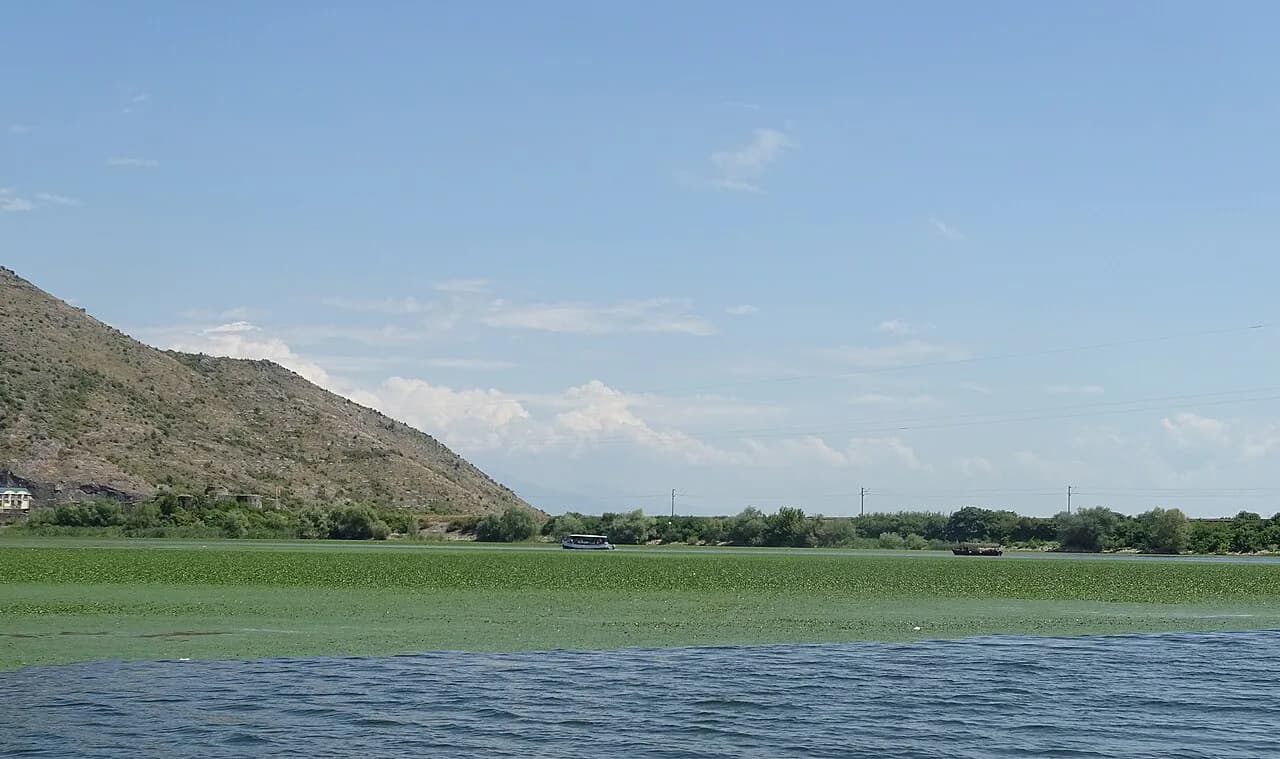
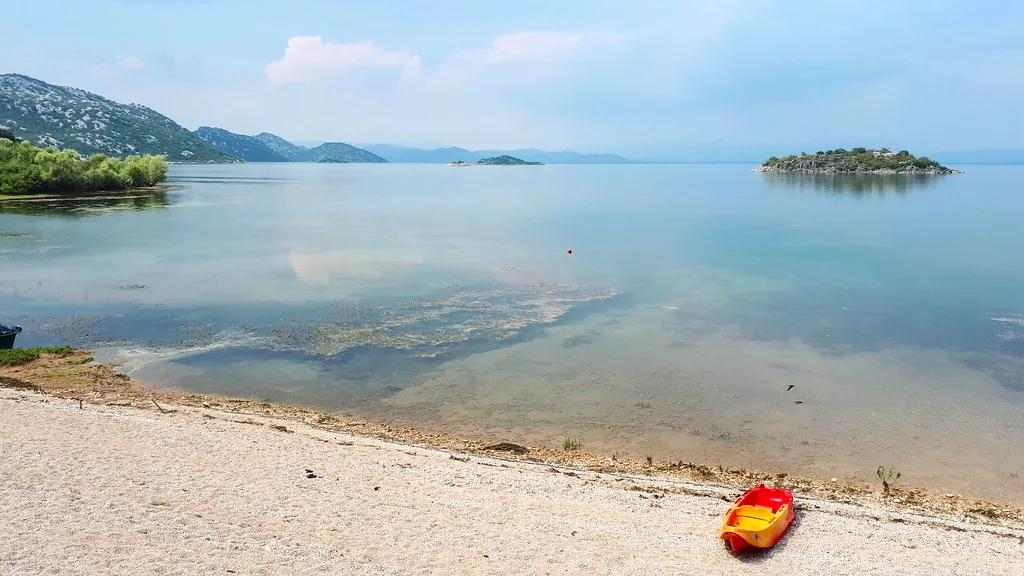
Lake Skadar (Lake Shkodra) is the wetland to build a wildlife day around. Around 300 Dalmatian pelicans are resident in its wetlands, and the birds glide low over the reedbeds at dawn or spread their wings over open water. The lake's shallow lagoons, floodplains and extensive reeds draw large numbers of waterbirds, particularly on migration and in the breeding season.
In recent years the pelicans have nested on a karst rock islet in remote water close to the border with Albania, so the birds are best watched at a distance through binoculars or a scope rather than approached by boat. Read the lake's birdlife as a reason to arrive early and stay quiet, not as a guarantee of close views.
The lake is a candidate UNESCO biosphere reserve that stretches across into Albania, and Montenegro as a whole records over 270 bird species. Allow a full morning: the light and the bird activity both favour the first hours after sunrise, and the reedbeds are busiest then.
Ulcinj salt flats and the coast: flamingos, waders and dolphins
The salt flats near Ulcinj are the other headline birding stop, where flamingos, cormorants, Dalmatian pelicans, eagles and waders can all turn up. Patience and good binoculars decide what you actually see, and a scope helps on the open pans where birds keep their distance.
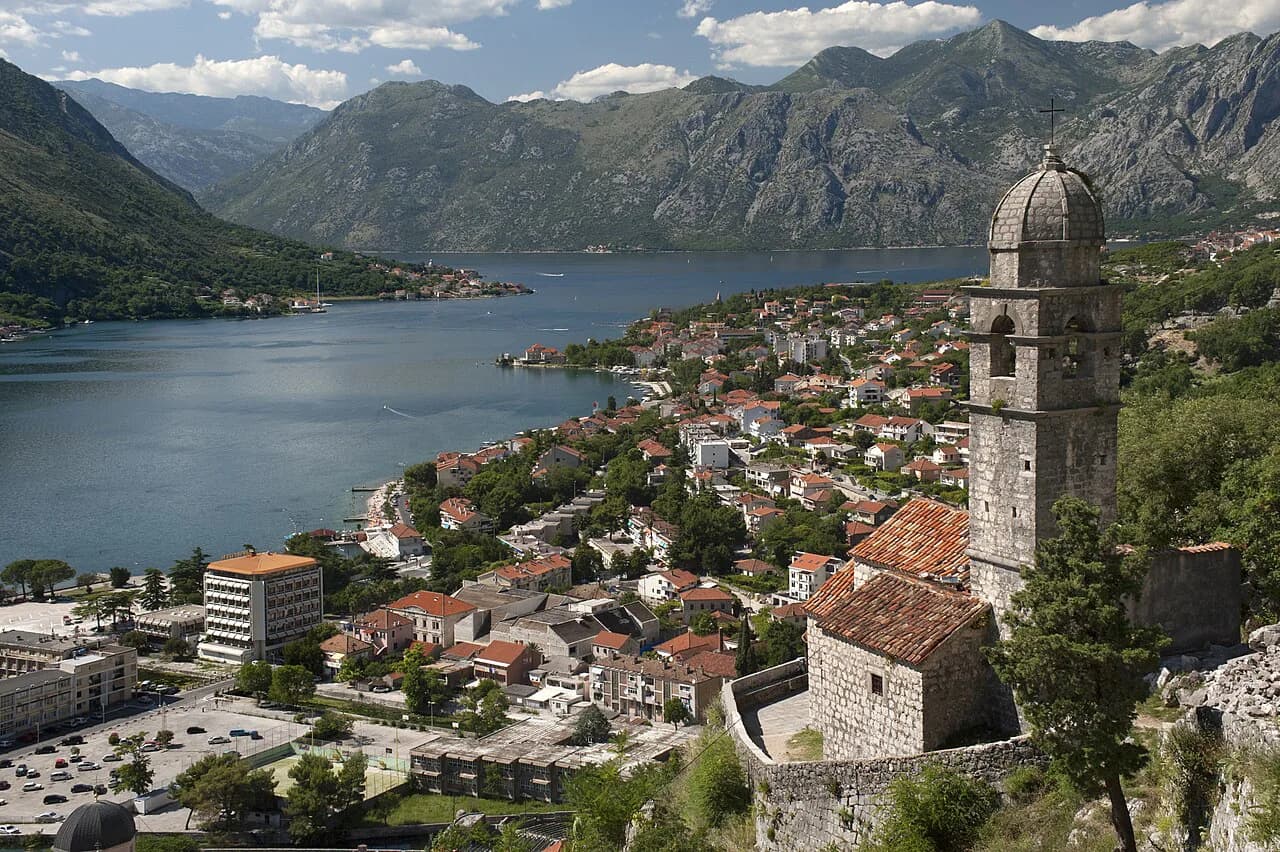
Offshore, bottlenose dolphins are the Adriatic's most familiar marine residents, and the coast and Bay of Kotor add cliffs, Mediterranean shrubland and open water to the habitats within a short drive of the lake. Monk seals occur too, but they are rare, so treat any sighting as a bonus rather than a plan.
Keep boat time and shore time separate. Dolphin watching rewards a slow, quiet vessel and a skipper who keeps a respectful distance, and on land the salt pans are best worked on foot along the edges rather than across the middle of a feeding flock.
Durmitor and the Dinaric Alps: bears, wolves, chamois and golden eagles
The Dinaric Alps, with Durmitor at their heart, hold montane forest, scree and alpine pasture that shelter large carnivores and raptors, while the Tara River Canyon forms a corridor of intact habitat and clean water. Brown bears and wolves roam remote upland forest here, and chamois pick their way across steep crags.
Golden eagles ride thermals over mountainous ground across the Balkans, though breeding pairs in neighbouring Albania have declined sharply. A sighting in Montenegro is a possibility rather than a promise, and a guide who reads the ridges and knows where not to walk in the breeding season improves your chances.
Large carnivores are rarely seen even in good habitat, so plan mountain days for the landscape and treat tracks, scat and distant movement as the realistic reward.
Reading the landscape: why so many habitats sit close together
Montenegro compresses a sea-to-summit gradient into a small area. Mediterranean scrub and rocky coastline on the Adriatic grade quickly into karst plateaus, limestone gorges and forested alpine country, and that steep turnover supports high biodiversity for the country's size.
Karst plains, caves and spring-fed rivers shape freshwater and subterranean life, while Lake Skadar and the coastal lagoons concentrate breeding and migratory waterbirds. In European terms the country matters as a piece of the Dinaric-Balkan wilderness and a link in the Adriatic flyway rather than as somewhere to tick off big game.
That compactness is useful for planning. You can take a wetland morning and a mountain day without covering huge distances, though mountain wildlife and wetland birding each deserve their own time rather than being squeezed into one day.
Wildlife you are more likely to hear than see
Golden jackals are nocturnal and cautious, announcing themselves after dark with a high-pitched wailing howl that carries across open valleys. Their numbers in Montenegro sit at around 200 individuals, and the animals feed on rodents, birds, reptiles, fruit and scraps.
The Eurasian scops owl is another voice rather than a sight, a small bird with a loud, carrying call after dark. Evening listening near open country and woodland edge is a far better use of time than searching for a glimpse.
Smaller animals repay patience too. Hermann's tortoise and the fire salamander live in lowland and damp woodland habitats, and wild boar root through forest wherever there is cover.
Practical watching: binoculars, dawn starts and keeping your distance
Build the day around the first hours after sunrise. Pelicans move low over the reedbeds and flamingos feed on open pans while the light is still flat, and the birds are less disturbed before the day's boat traffic builds.
Pack binoculars as standard and add a scope if you carry the weight, because the geography of a lake or salt pan keeps birds beyond the reach of a camera phone. Stay on paths and viewpoints at nesting sites, keep voices down, and resist moving closer for a photograph.
Expect a trade-off between squeezing wildlife into a town-based trip and giving it proper time. A rushed half-day at Lake Skadar is worth doing, but an extra night near the lake or the mountains is what turns a bird list into a proper watch.
When wildlife seasons shape your visit
Migration and the breeding season are when the wetlands are busiest with birds, and the breeding season is also when disturbance does most harm. That makes spring and early summer the rewarding window for birders and the period when you should give nesting areas the widest berth.
In the mountains, the practical constraint is access rather than daylight. Higher slopes and tracks hold snow into the warmer months, so mountain wildlife plans belong later in the year, and the roads and passes of the Montenegrin mountains are worth checking before you commit a day to them.
Wildlife tours and guides: what a guided trip adds
Guided wildlife holidays in Montenegro exist, from birding departures to broader wildlife tours, and a guide's value is local knowledge of where animals are and how to watch without pressing them. For bears, wolves and lynx this is close to indispensable, since the animals avoid people and the right habitat is easy to search badly on your own.
Book directly with an operator and ask who leads the trip and what access they hold, rather than assuming a generic day tour includes serious wildlife time. Operators publish their own itineraries and dates, so compare those against the habitats you most want to see.
Travellers with a base in a town can also join a shorter guided birding morning rather than a full holiday, which keeps the rest of the trip free for the coast and the mountains.
Which wildlife day suits your trip
Choose Lake Skadar if you want birding with the best chance of pelicans in a single morning, pick Ulcinj salt flats for flamingos and waders, and head for the Dinaric Alps if you want the mountain landscape and accept that bears and wolves will probably stay invisible.
Whichever you pick, start early, carry binoculars and keep your distance from nesting and denning areas, which is what makes repeat visits worthwhile.
Explore more Montenegro guides
Frequently Asked Questions
Are there any wild animals in Montenegro?
Yes. Montenegro holds brown bears, grey wolves and Balkan lynx in its mountain forests, along with chamois, red deer, wild boar and golden jackal. Its wetlands and coast add Dalmatian pelicans, flamingos, golden eagles, bottlenose dolphins and a long list of reptiles and amphibians, so the animals are there but the realistic targets for a short trip are the waterbirds.
Does Montenegro have bears?
Yes. Eurasian brown bears live in the mountain forests, with the Durmitor area and the wider Dinaric Alps holding forest, scree and alpine pasture that shelter large carnivores. Bears avoid people and are rarely seen, so treat any sighting as luck and go with a guide if bears are the reason for the trip.
What should I be careful of when watching wildlife in Montenegro?
Keep your distance from nesting birds and denning areas, stay on paths at lakes and salt pans, and keep quiet. Nose-horned vipers live in the region, so watch where you put hands and feet on rocky ground, and carry binoculars rather than trying to approach animals for a closer look.
Where can I see flamingos in Montenegro?
The salt flats near Ulcinj are the place to look, where flamingos arrive alongside cormorants, Dalmatian pelicans and waders. Sightings depend on water levels and the time of year, and patience plus good binoculars makes the difference on the open pans.
Can I see dolphins in Montenegro?
Bottlenose dolphins live in the Adriatic and are the most familiar marine residents off the Montenegrin coast. Trips are best run slowly and at a respectful distance, and a skipper used to wildlife watching will not chase or crowd a pod.
Sources
Notes for your Montenegro trip
Optional updates to our Montenegro town guides.
You might also like
Continue reading
More guides you'll find useful