One Day in Podgorica: A Walkable Route from Morning to Evening
A one-day walking route through Podgorica, from Stara Varoš and the Sahat Kula clock tower to the Hram cathedral, Doclea and an evening on Bokeška street.
On this page
One day in Podgorica is enough for a compact loop on foot: start at the Sahat Kula clock tower in Stara Varoš, walk to the Hram cathedral, then cross the Morača riverfront before choosing one afternoon trip that needs a car or taxi. The capital rewards travellers who treat it as a city of neighbourhoods rather than a checklist, and the things to do in Podgorica cluster tightly enough to keep the morning and early afternoon car-free. This route runs from morning to evening, with the trade-offs spelled out where they matter.
Plan on roughly a full day rather than a rushed half. One travel writer recommends staying at least two full days to cover the city properly, so a single day means picking your afternoon carefully and letting the rest go.
One day in Podgorica: the short answer
Give the morning and early afternoon to the centre on foot, then spend the middle of the day on one out-of-centre trip: the Roman ruins at Doclea, the Cijevna River falls, or a winery tour. End with drinks on Bokeška, the 30-metre street lined with bars and outside seating where live music often runs late.
The order matters. The old quarter and the clock tower sit together, Pod Volat is steps from the tower, and the Hram is in the newer part of town, so you can walk the whole chain without doubling back. Save the car or taxi leg for after lunch.
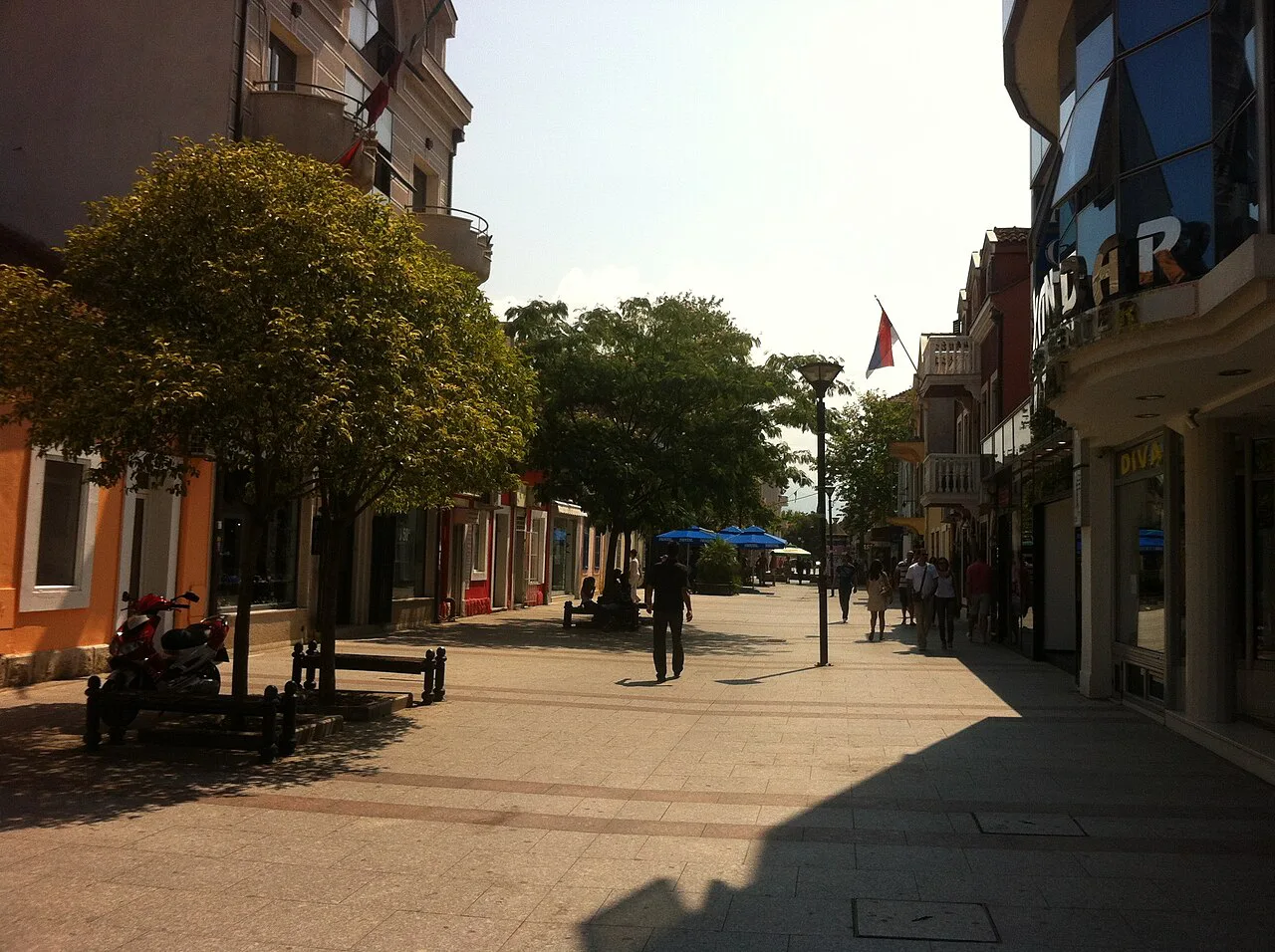
Start in Stara Varoš at the Sahat Kula clock tower
Stara Varoš was the heart of the city between the 15th and 19th centuries, and although much of this Ottoman neighbourhood was flattened in the Second World War, a few stone streets and houses from the era survive. The Sahat Kula, the old clock tower, also came through the wars and marks the start of the old quarter. Begin here while the streets are quiet and use the tower as your orientation point.
Allow a relaxed half-hour to wander the surviving lanes rather than treating it as a sight with a ticket desk. If you want the Ottoman and Yugoslav layers explained properly, a local guide earns their fee here; the architecture alone does not tell the story.
Breakfast or ćevapi at Pod Volat by the clock tower
Pod Volat sits steps from the old clock tower and serves ćevapi, the grilled meat sausage with pitta-like bread, alongside other Montenegrin specialities. It is a straightforward lunch or late breakfast stop that keeps you inside the old quarter instead of pulling you across town.
Order before the midday rush if you want a table without waiting, then walk off the meal on the way to the Hram. Menus and hours change, so check the board outside rather than relying on a fixed plan.
Walk to the Hram (Cathedral of the Resurrection of Christ)
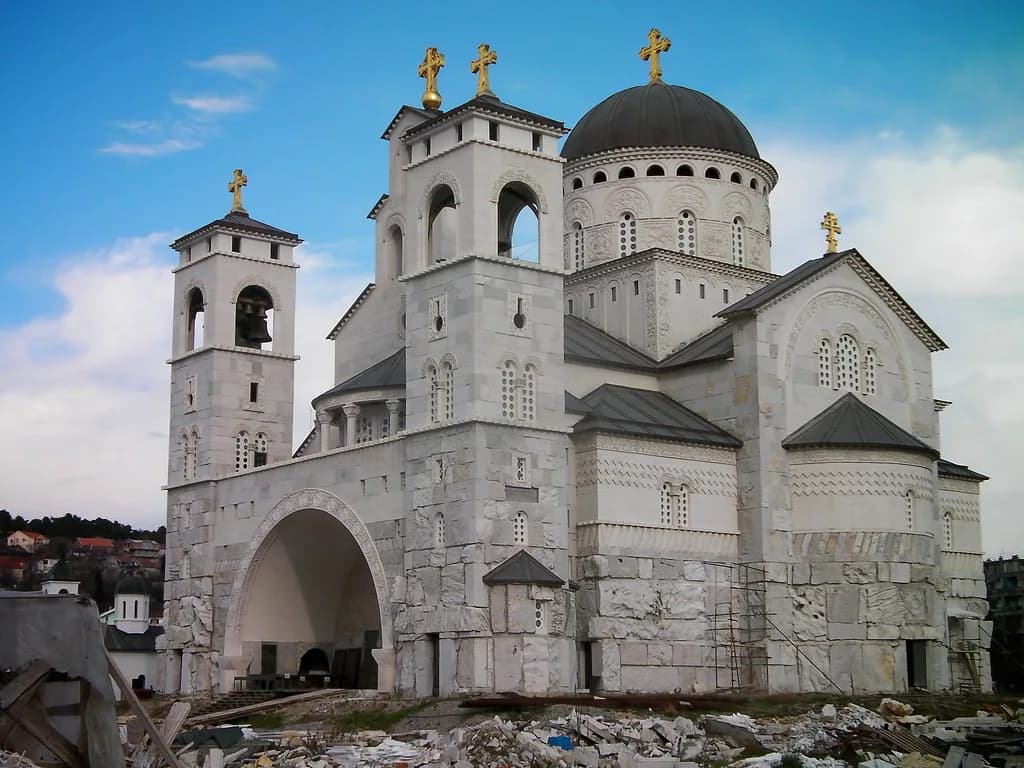
The Hram, or Cathedral of the Resurrection of Christ, stands in the newer part of the city and is as impressive inside as out, with a dome among the tallest of any Orthodox cathedral after St Isaac's in St Petersburg. Every surface inside carries frescoes, including some that caused a stir when the cathedral was new because they showed Tito, Marx and Engels burning in hell.
Treat it as a working place of worship: cover shoulders and knees, keep voices low, and skip photography where signs ask you to. The visit takes perhaps twenty minutes of looking, and the walk from the old quarter is the point as much as the arrival.
Cross Millennium Bridge and the Morača riverfront
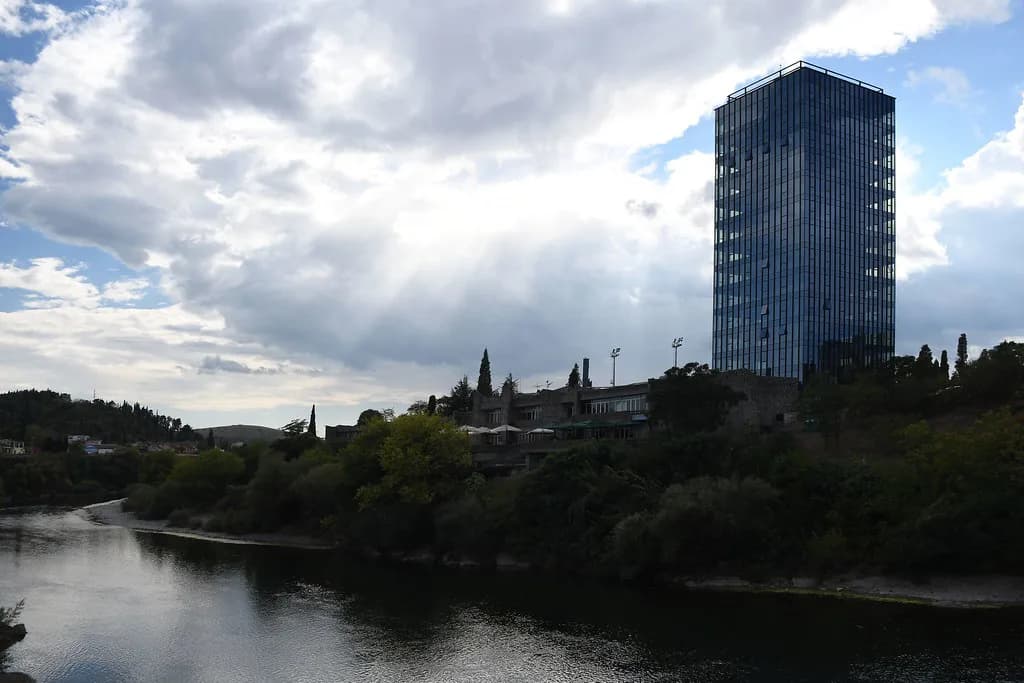
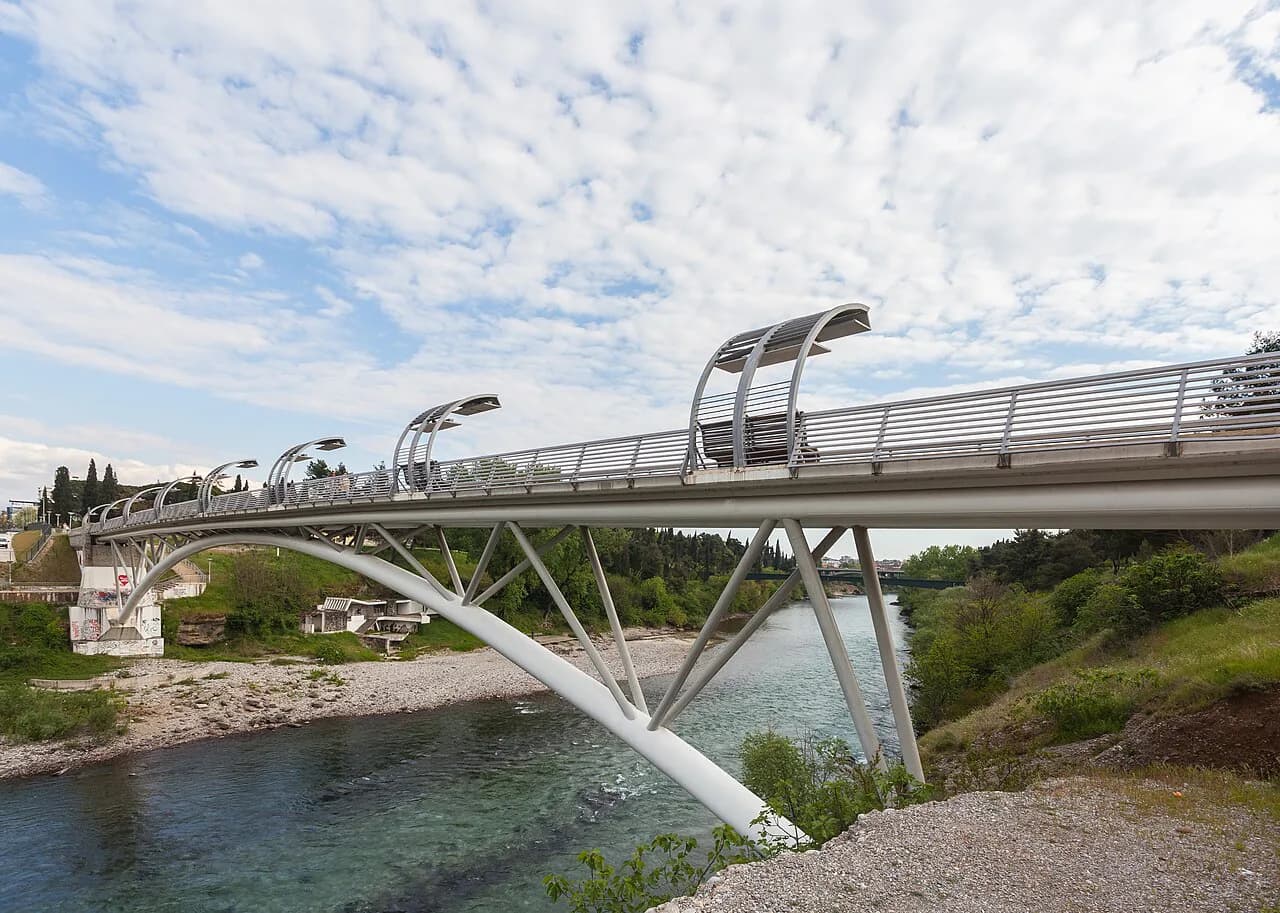
The city sits at the confluence of the Ribnica and Morača rivers, which is why the centre is so easy to read on foot. Millennium Bridge is the natural crossing point for a riverfront loop, and the water is where locals go when the heat builds.
Swimming in the Morača is possible but not a supervised activity: there are no lifeguards, and you should swim upstream of the city rather than in the middle of it. Know your limits and keep the river as a walk rather than a swim if anyone in your group is unsure.
Lunch and an afternoon pause: parks, Gorica hill and Petrovic Palace
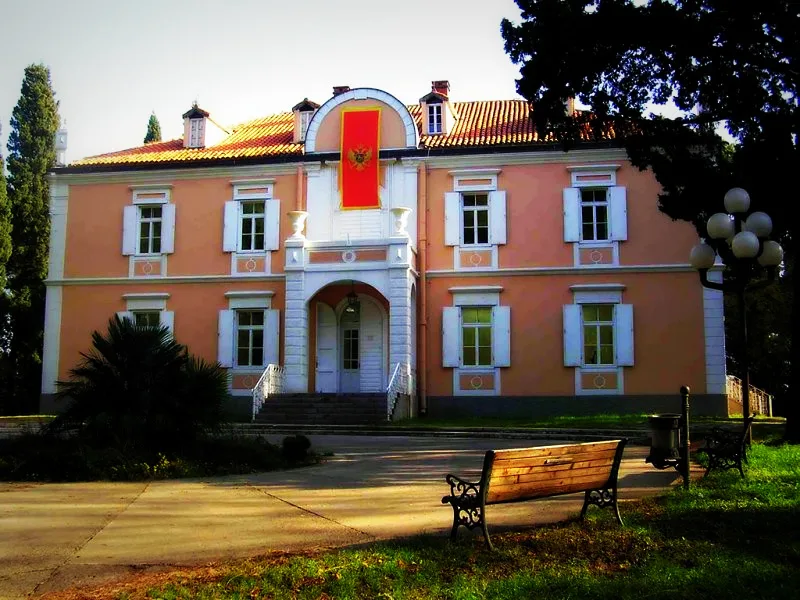
After the river, slow down in the parks and around the pink Petrovic Palace, which houses the Centre of Modern Arts. Entry to the Centre of Modern Arts is free, and it shows permanent and temporary exhibitions; labels are sparse, so look up the works you want to understand before or after your visit.
Families with energy to burn can add the Adventure Park Gorica in Gorica Park, where you strap into a harness and move through the tree canopy, then cool off at the shady café. It is a committed hour or two rather than a quick stop, so weigh it against your afternoon choice.
Option A: Roman Doclea (Duklja) by car or taxi
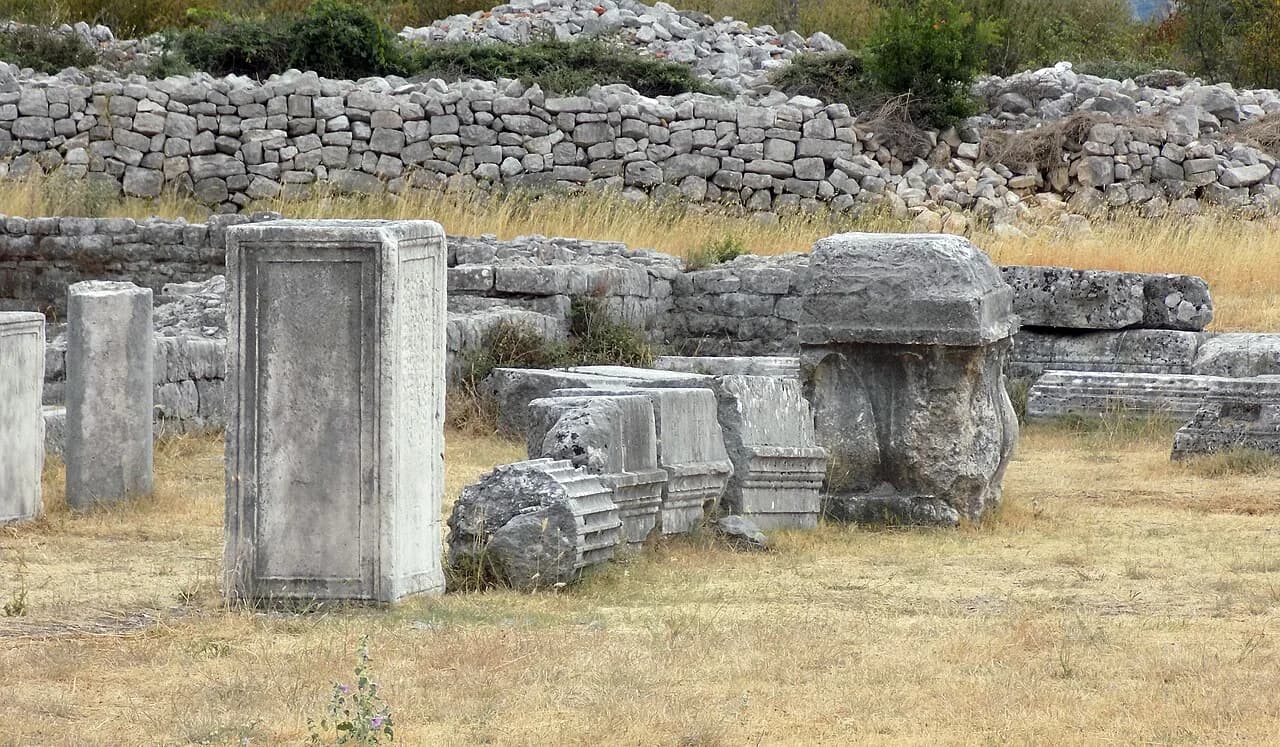
A few kilometres north of the city lie the ruins of the Roman city of Doclea, also called Duklja, founded in the 1st century AD with a forum, basilica, temples and baths. Entry is free and you can roam the site as you wish, which makes it the cheapest of the three afternoon options if you have transport.
The trade-off is that the remains lie largely abandoned, so bring water and set your own pace. Without a car, a taxi there and back is the practical option; fix the return before you are dropped off.
Option B: Cijevna River Falls and the Niagara restaurant
The Cijevna River falls sit in a canyon about a 10-minute drive from the centre, with the Niagara restaurant beside them. The falls dry up in summer, so late spring, early summer, autumn and winter give the fuller flow; an autumn visit fits this itinerary better than a July one.
This is a short excursion rather than a headline sight, so pair it with a slow lunch rather than building the day around it. The landscape along the river is striking in its own right, even when the water is low.
Option C: wine tasting at Šipčanik, Vukićević or Radević Estate
Between the city and Lake Skadar, vines cover the ground, and Šipčanik, about 8 kilometres out, runs tours and tastings through the year. Vranac is the local grape to try, and a winery visit is the best afternoon option if you would rather sit than walk.
Smaller and family-run, the Vukićević winery suits a quieter tasting, while Radević Estate on the banks of the Zeta river offers more grandeur. Book ahead and confirm the price and start time directly with the winery, since tastings are arranged rather than sold at the gate.
Evening: Bokeška street for drinks and live music
Bokeška is a 30-metre street of bars with outside seating and often live music late into the night, the closest the city gets to a Soho-style strip. Gostiona 1928 is a solid first stop, and next door the Nag's Head, or Regina Glava, is decorated as a homage to the pub in Only Fools and Horses.
Arrive early in the evening to claim an outside table, and expect the street to get loud as the night goes on. If you are leaving the next morning, keep the session short and walk back through the centre rather than hunting for a taxi.
What to skip when you only have a day
Skip anything that needs a fixture to be happening: basketball at the Morača Sports Centre and football at Pod Goricom or Mladost stadiums depend on the schedule, and the local clubs' calendars are not fixed in advance. If a match is on, tickets have been reported at a few euros, but confirm with the club before planning around it.
Drop the city's second and third viewpoints, its shopping and its café-hopping if the weather is good enough for Doclea or Cijevna. One well-chosen afternoon outside the centre beats three rushed stops in it.
Getting around Podgorica on foot, by taxi and by bike tour
The centre is genuinely walkable: Stara Varoš, the clock tower, the Hram and the riverfront fall into a single loop of a few kilometres. Keep the walking legs short and unplanned rather than timing each one to the minute; the pleasure is in the wandering.
For Doclea, Cijevna or the wineries, a taxi or a booked tour removes the parking problem. A bike tour is another way to cover the highlights in one circuit if you would rather ride than walk.
Where Podgorica fits a longer trip: Lake Skadar and the coast
Podgorica sits between the mountains and the coast, with Lake Skadar National Park south of the city on the Zeta Plain and the Adriatic within reach. That position makes it a sensible first or last stop on a Montenegrin trip rather than a detour. If you want the old quarter in more detail before you go, the Podgorica Old Town guide covers the lanes around the Sahat Kula.
The city is also a base for day tours that combine the Bay of Kotor, Sveti Stefan and Lake Skadar, or head north to the Morača and Tara canyons and Durmitor. Those are full days in themselves, so keep them separate from your one day in the city.
Which afternoon should you choose?
Choose Doclea if you want free entry and Roman ruins and have a taxi or car; choose Cijevna if you are travelling in autumn, winter or early summer and want a short drive with lunch; choose a winery if you would rather sit, taste Vranac and let someone else drive. The morning loop through Stara Varoš, the Hram and the riverfront stays the same whichever you pick.
Finish on Bokeška, keep the walking legs loose, and leave the river swim to confident swimmers who understand there are no lifeguards. One day in Podgorica is a city day, not a country day, and it works best when you resist adding a second excursion.
Explore more Podgorica guides
Sources
Notes for your Montenegro trip
Optional updates to our Montenegro town guides.
You might also like
Continue reading
More guides you'll find useful