Shopping in Kotor: Old Town Shops, the Market and What to Buy
Where to shop in Kotor: craft shops and boutiques inside the Old Town walls, the morning green market by the Sea Gate, Kamelija centre and what to buy.
On this page
Shopping in Kotor fits into a short walk: crafts and souvenirs inside the Old Town walls, food and produce at a morning green market by the harbour, and everyday shops along the bay road. The Old Town is only about 220 metres across at its widest point, so the craft trade between the Sea Gate and Pjaca square is compact enough to browse in an hour or two. This guide covers what is worth buying, which streets hold which trade, how the market and Kamelija centre work, and how hours and payment differ across town.
What you can actually buy in Kotor
Three purchases define shopping here. Inside the walls you find hand-painted icons, silver filigree jewellery, ceramics, lavender and immortelle soap, small-batch rakija and loza, and olive oil pressed in bay villages. Outside the Sea Gate, the green market sells fruit, vegetables, cheese, honey, olive oil and dried herbs brought down from inland villages. Practical errands belong along the bay road, where supermarket chains and the Kamelija centre cover groceries, pharmacy items and phone shops.
Food souvenirs are the easiest thing to carry home. Souvenir sellers stock vacuum-packed Njeguški pršut and Lovćen cheese, alongside local wine such as the red Vranac and the white Krstač, and bottles of rakija made from grapes, plums or figs. If you would rather spend the afternoon eating than shopping, the best restaurants in Kotor are a separate plan entirely.
Where the shops are: Sea Gate to Pjaca square
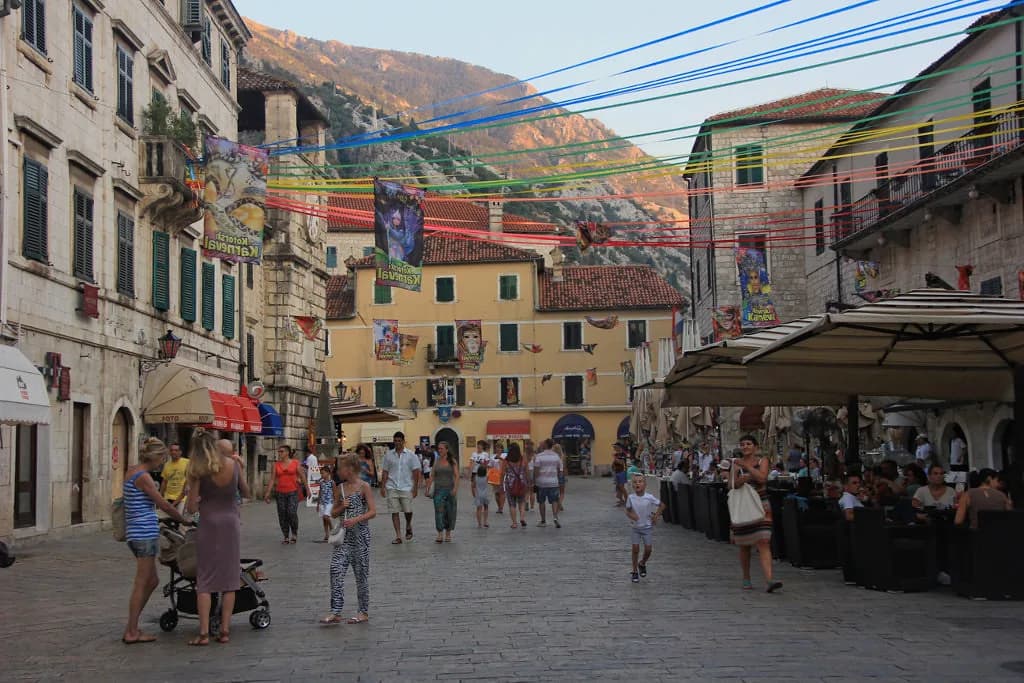
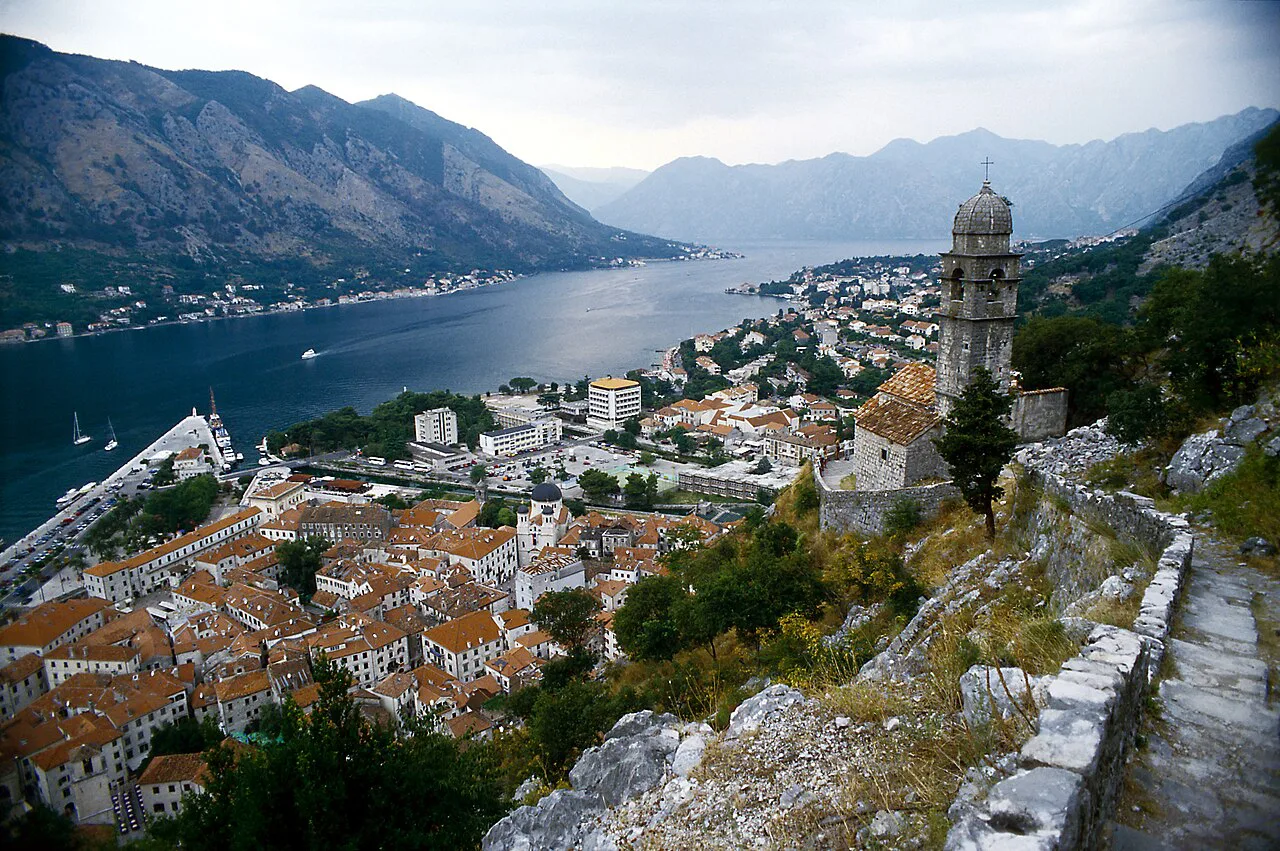
The Old Town's retail sits between the Sea Gate and Pjaca square, the main square inside the walls. Three trades cluster in that stretch: hand-painted icons, some commissioned through the workshops at the Cathedral; olive oil from bay villages; and the silver filigree jewellery the region has produced since the medieval period. Most sellers are the makers or their direct distributors, which is why the stalls and small workshops feel more like a craft market than a shopping street.
The geography helps you plan. Because the interior runs only about 220 metres at its widest, you can walk the whole craft offer and still have time for the cathedral, the squares and the Sea Gate itself. Pair the browsing with the wider things to do in Kotor so the morning covers both shopping and sightseeing without backtracking.
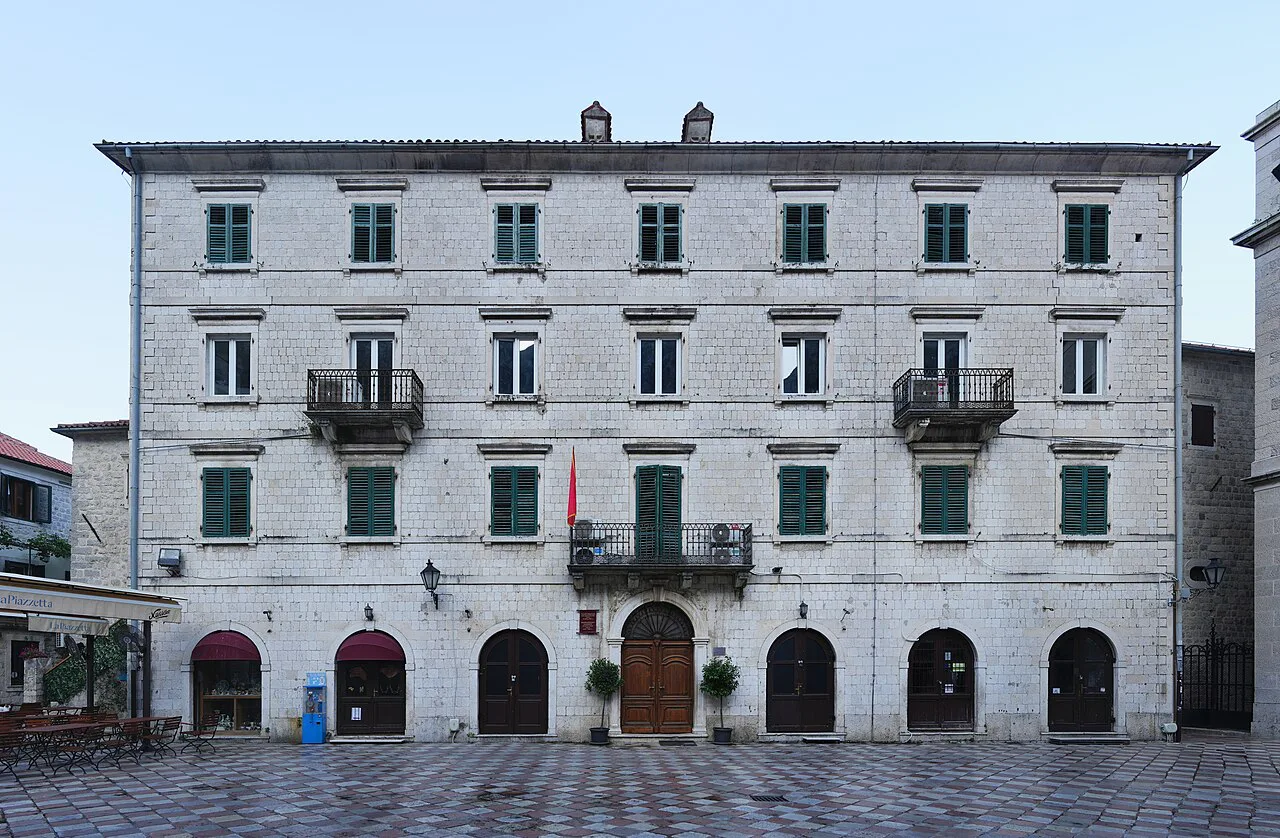
Craft and souvenir shopping inside the walls
Start with what is genuinely local. Craft shops sell hand-painted icons, ceramic pieces with nautical or village scenes, and filigree silverwork in coral, pearl and natural-stone designs. Lavender grows along the coast and turns up as sachets and oils, and small shops sell handmade soaps and lotions built on lavender, honey, olive oil and mountain herbs. Regional olive oil, sometimes infused with rosemary or garlic, is sold in small bottles at artisan food shops and open-air stalls.
Rakija and loza deserve a proper look rather than a rushed purchase. Wine shops in the Old Town often let you sample before you buy, and many bottles are labelled for gifting. Montenegrin embroidery, sold as tablecloths, napkins and wall hangings, packs flat and weighs little, which makes it a sensible souvenir if you are travelling with hand luggage only.
Food souvenirs to pack: pršut, cheese, honey and herbs
Vacuum-packed Njeguški pršut is smoked ham from the mountain village of Njeguši, cured with sea salt and smoked over beechwood. Specialty food shops and stalls in Kotor sell it sealed for travel, and the same shops usually stock regional cheese such as creamy lisnati sir or aged goat cheese wrapped in herbs, often vacuum-sealed on request. Add honey, dried herbs and a bottle of local olive oil from the market and you have a picnic that survives the journey home.
Buy food last. The green market is a morning affair, so pick up pršut, cheese and produce on your final morning rather than carrying them around the bay. If your day is tight, a one day in Kotor plan can slot the market stop before a mid-morning departure.
Fashion and boutiques in the Old Town
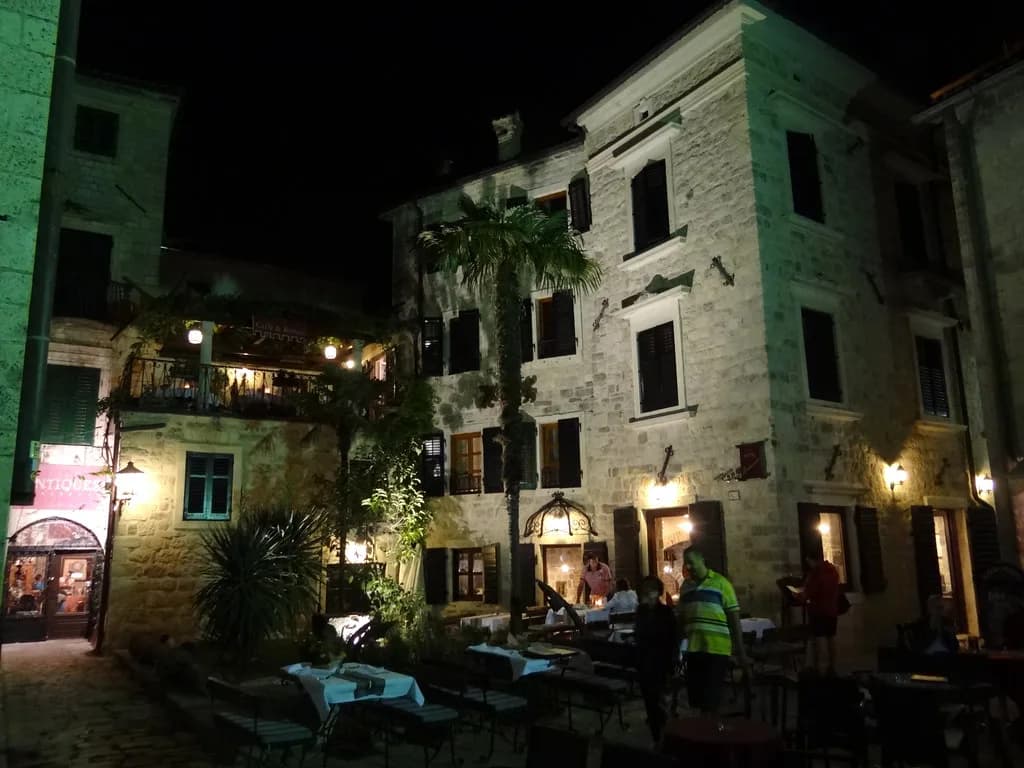
Beyond crafts, the Old Town holds smaller shops and boutiques selling footwear and clothing, with a large share of the fashion stock coming from Italian designers. The same lanes carry souvenir shops, photo shops, jewellers, bookshops, antique shops and mixed-goods stores, plus hairdressers, barbers, cafés, pizzerias and pastry shops. Treat it as browsing rather than a mall run: the appeal is the mix of small units inside stone walls, not depth of stock.
The green market outside the Sea Gate
The open-air green market sits in the small square between the Old Town and the harbour, immediately outside the Sea Gate, and the Riva and harbour lie just across from it. It runs in the mornings only and is busiest from 07:00 to 11:00, with Saturday the heaviest day. Stalls sell fruit, vegetables, cheese, honey, olive oil and dried herbs from inland villages, plus fresh loaves from the town's bakeries and the occasional stand of costume jewellery.
Bring euros in cash. Stalls take cash in euros only, and a few craft shops still prefer it even though card payment is standard in fixed shops. ATMs cluster at the Sea Gate, the bus station and the Kamelija centre, so withdraw before you start rather than hunting mid-shop.
Kamelija shopping centre
Kamelija is a modern centre a five-minute walk from the Old Town, and the largest indoor centre in the bay area. Inside you find a supermarket, fashion stores, a pharmacy, phone shops and a food court, plus parking on site. Choose it over the Old Town when the errand is practical: groceries for a self-catering stay, a pharmacy run, or a rainy-hour food stop rather than a souvenir hunt.
Practical shops along the bay road
For everyday needs, the row along the bay road just north of the Sea Gate covers most errands, and national supermarket chains run standalone stores there with the longest opening hours. This is where locals shop for groceries, so prices and stock are aimed at residents rather than visitors. Keep the Old Town for crafts and the bay road for provisions, and you avoid paying souvenir-shop premiums for a bottle of water.
Opening hours and seasonal rhythms
Summer hours are typically 09:00 to 21:00, with a midday break at smaller spots. Off-season hours shorten, and seasonal souvenir shops close from November to March. The market keeps its own rhythm: mornings only, busiest from 07:00 to 11:00, with Saturday the heaviest day. Plan craft shopping for late morning or evening in summer, and market shopping for early morning any day.
If you are building a day around shopping, a Kotor itinerary that starts at the market and moves inside the walls matches these rhythms. Coffee fits between the two: Kotor cafes fill up once the market thins out, which makes a mid-morning pause easy to time.
Paying: cards, cash and ATMs
Card payment is standard in fixed shops, so boutiques, the Kamelija stores and supermarket chains take cards without fuss. Market stalls take cash in euros only, and a few craft shops still prefer cash, so carry a small float even if you plan to pay by card elsewhere. ATMs sit at the Sea Gate, the bus station and the Kamelija centre, close to where you will actually spend.
Commissions and made-to-order pieces
Several craft workshops take commissions, from icons and filigree pieces to ceramic work, if you have a few days in town before you leave. Because most sellers are the makers or their direct distributors, a commission request goes straight to the person who will make it. Build in a buffer: a piece finished the day before departure leaves no room for a second look, so order early in your stay and collect before your last morning.
If you want the broader picture of the town alongside the shops, the Kotor attractions guide covers the walls, squares and gates you will pass between purchases. A boat tour is the other half of a bay day, but leave it for a different morning so the market and workshops get your best hours.
Which Kotor shopping stop fits your day?
Match the stop to the errand. Crafts, icons, filigree and souvenirs belong inside the Old Town between the Sea Gate and Pjaca square; produce, pršut, cheese and honey belong at the morning market outside the gate, before 11:00 and with euros in cash; groceries and pharmacy items belong on the bay road or at Kamelija. If you only have an hour, choose one and walk it properly rather than splitting the time three ways.
Two practical habits pay off: shop the market early and buy food souvenirs last, and order any commissioned piece at the start of your stay rather than the end. Everything else, from card payment in fixed shops to seasonal closures from November to March, is a matter of checking the day's rhythm before you set out.
Explore more Kotor guides
Frequently Asked Questions
Is Kotor good for shopping?
For crafts, souvenirs and food, yes. The Old Town packs icons, filigree silver, ceramics, soap, rakija and olive oil into a compact area between the Sea Gate and Pjaca square, and the green market outside the gate sells produce, cheese and honey in the mornings. For fashion and everyday goods, the offer is smaller and practical, centred on boutiques inside the walls, the bay road and the Kamelija centre.
What should I buy in Kotor, Montenegro?
The most local buys are silver filigree jewellery, hand-painted icons, ceramics, lavender and immortelle soap, small-batch rakija and loza, and olive oil from bay villages. For food, look for vacuum-packed Njeguški pršut, regional cheese such as lisnati sir, honey and dried herbs. Wine such as Vranac and Krstač is widely sold and often available to sample in Old Town wine shops.
Do Kotor market stalls take cards?
No. The green market stalls take cash in euros only, so withdraw at an ATM near the Sea Gate, the bus station or the Kamelija centre before you shop. Fixed shops generally accept cards, though a few craft shops still prefer cash.
Sources
Notes for your Montenegro trip
Optional updates to our Montenegro town guides.
You might also like
Continue reading
More guides you'll find useful