Stoliv, Montenegro: The Two-Level Village on the Vrmac Shore
Stoliv is a two-part village on the Vrmac shore opposite Perast: a lower maritime town with churches and a chestnut-forest upper hamlet. Here is how to see both.
On this page
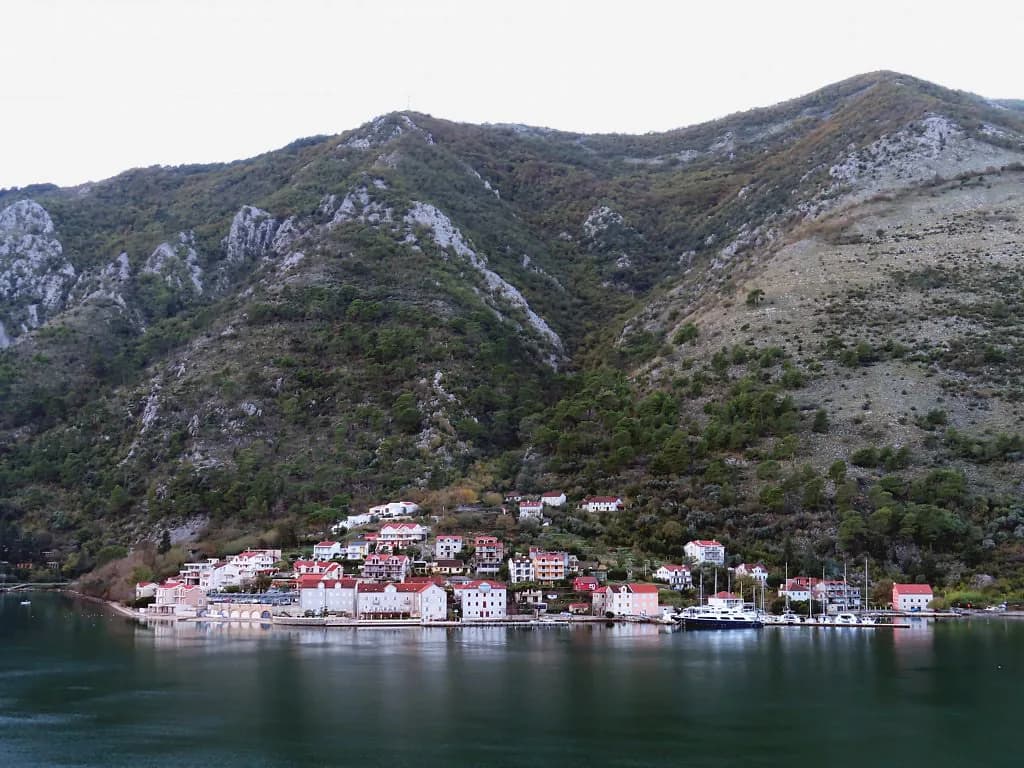
Stoliv is two places rather than one: Donji Stoliv on the shore road and Gornji Stoliv in the chestnut forest roughly 200–240 m above it. The village sits on the north-eastern side of the Vrmac hill facing Perast, and the lower town is described as holding maritime-town rank since 1721. This guide covers what stands in each part, how to get between the two levels, and how to combine the visit with the crossing to Perast and its islets.
Where Stoliv sits on the bay
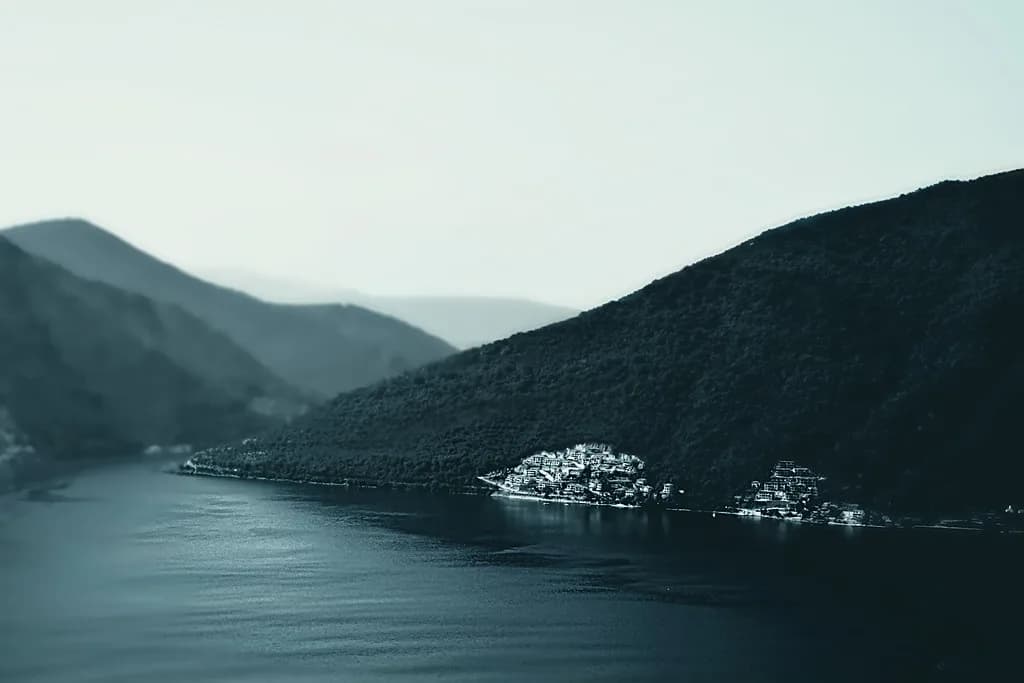
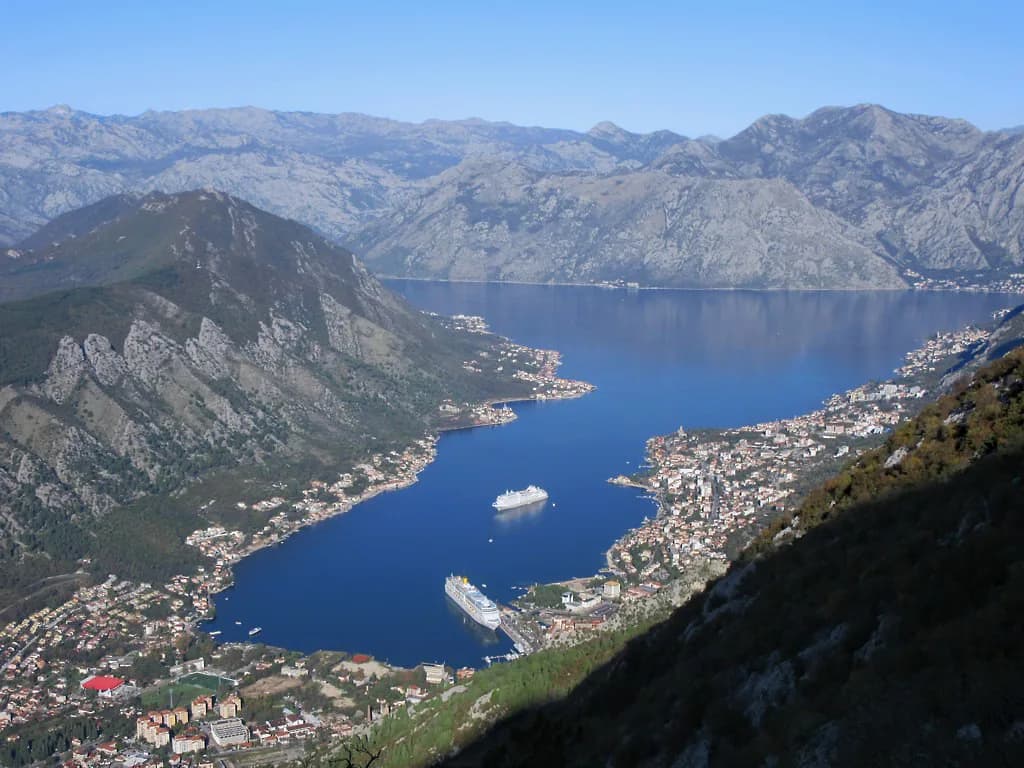
Stoliv faces Perast across a narrow stretch of the Bay of Kotor, tucked into the north-eastern flank of the Vrmac hill. The lower village is described as a village in the municipality of Kotor. For the wider layout of the bay and how its towns relate, keep the Bay of Kotor guide to hand.
In practice Stoliv works best as a stop on the coastal road between Kotor and Tivat rather than a destination you build a day around. Pin the two halves separately on a map before you set off, because the shore hamlet and the forest hamlet sit at very different elevations and are linked by a climb, not a street.
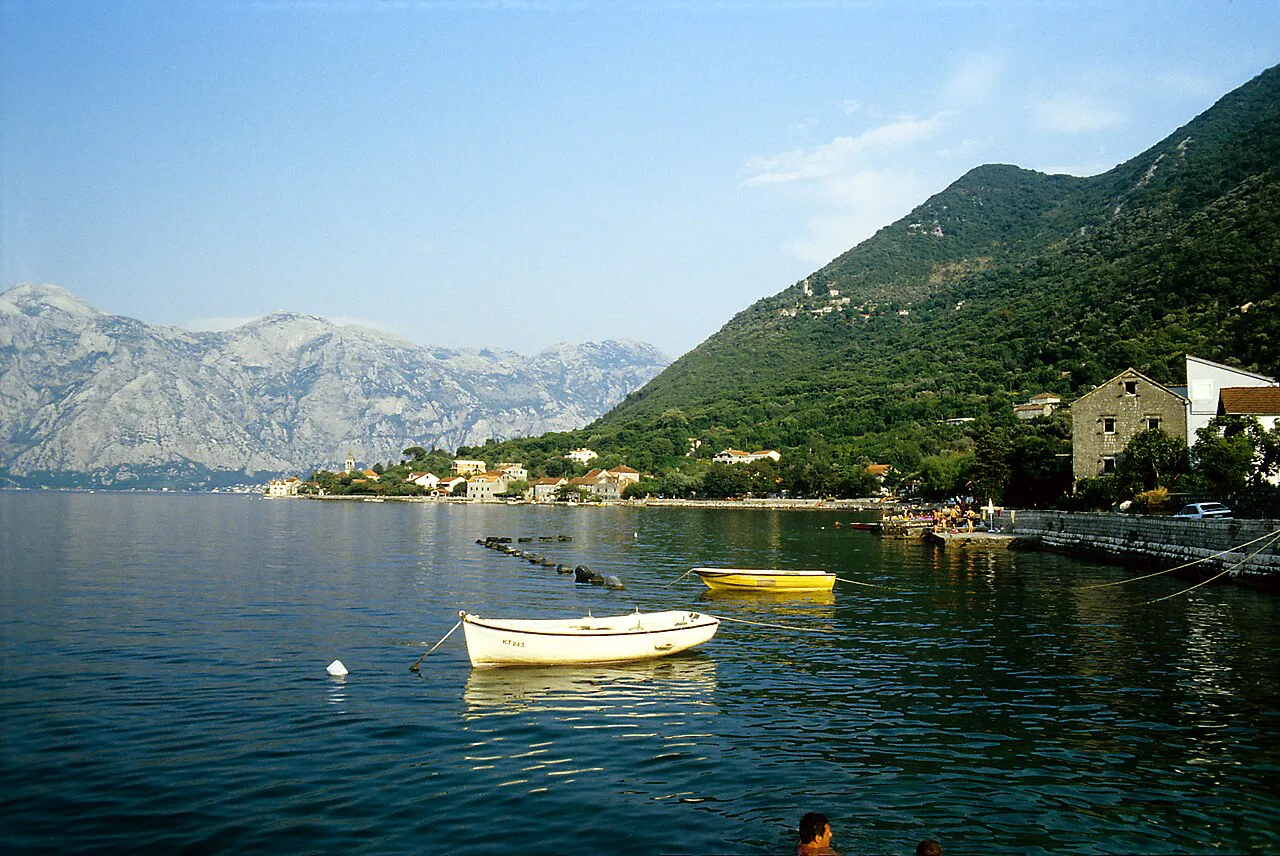
Donji Stoliv, the lower village on the shore
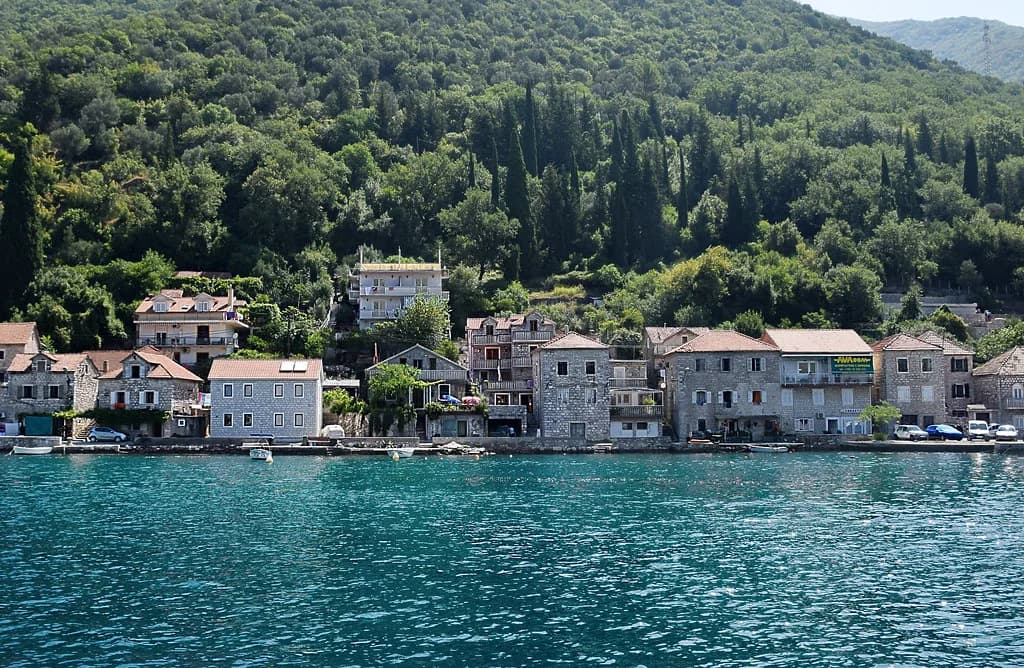
Donji Stoliv is the part you reach by road, spread along the water with stone houses, villas and balconies in a mix of styles. Its maritime rank dates to 1721, and the Mediterranean climate shows in the fruit trees and flowers along the streets, with the camellia treated as the village's emblem. Allow time simply to walk the lanes rather than hunting for a single sight.
The lower town's churches are the main reason to slow down rather than pass through. The Church of St Mary there holds a collection of paintings by the Slovenian artist Josip Tominc. If a church is shut, the exterior and the lanes around it still reward the walk.
Gornji Stoliv in the chestnut forest
Gornji Stoliv sits in chestnut forest at 240 m, keeping its original layout and a very small resident population. The Church of St Ilija stands in the heart of the hamlet, which makes it the natural turning point of the climb. The reward is the older, quieter settlement above the shore rather than a ticketed sight.
Walking up is the way to see both halves in one visit, and the ascent is short in distance but steady in gradient, so carry water and wear shoes with grip. Ask locally at the lower village before setting off and turn back if the route is unclear.
The churches signposted around the village
Beyond the two main churches, several others are marked in and around Stoliv, including Crkva Imena Marijinog, a post office nearby, and the 1882 Chapel of St Michael the Archangel. Crkva sv. Ilije and Crkva Sv. Pavla also appear among the local landmarks. Treat these as things you will notice while walking rather than a checklist to tick off.
These are working churches rather than visitor sites, so plan on looking at exteriors and churchyards and accept that interiors may be shut. If a service is under way, wait outside rather than walking in mid-ceremony, and dress modestly if a door is open.
Across the water to Perast and the two islets
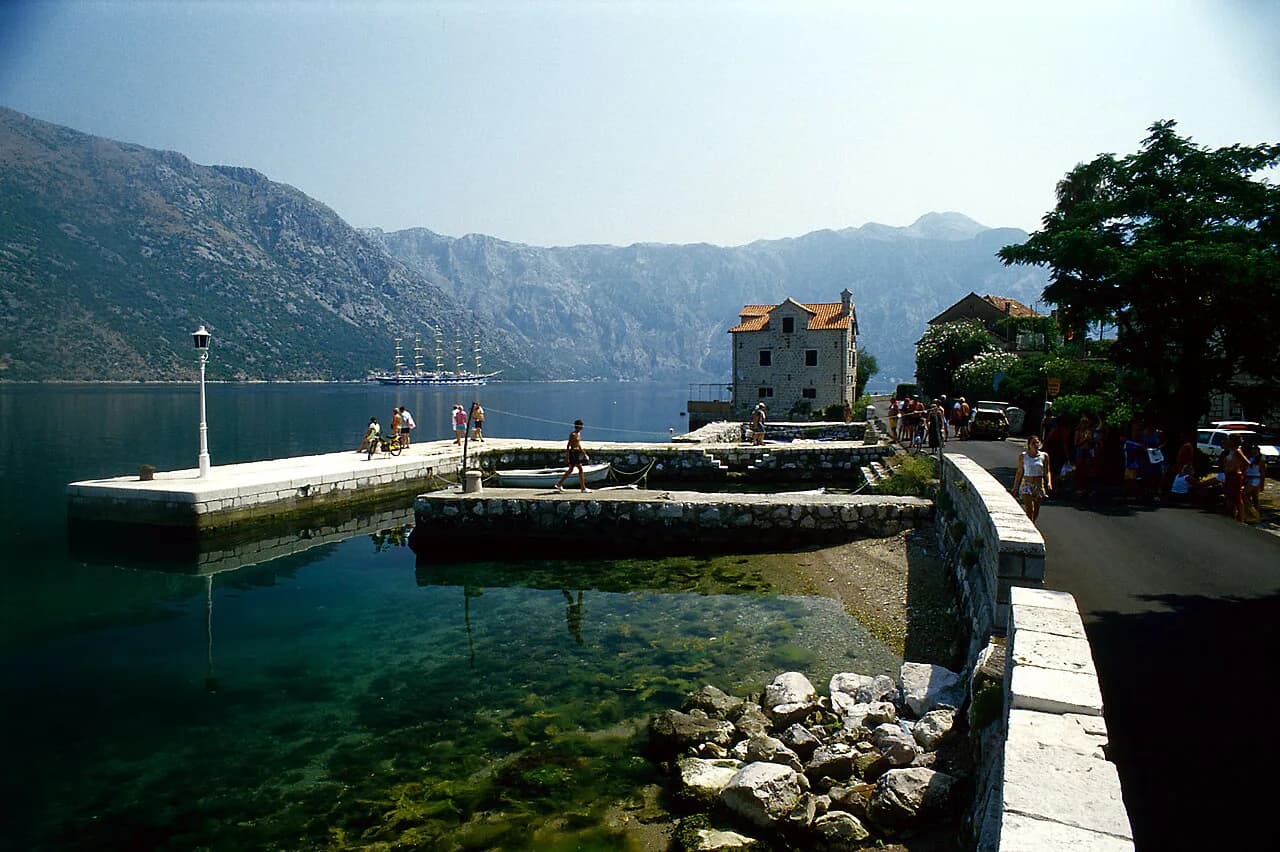
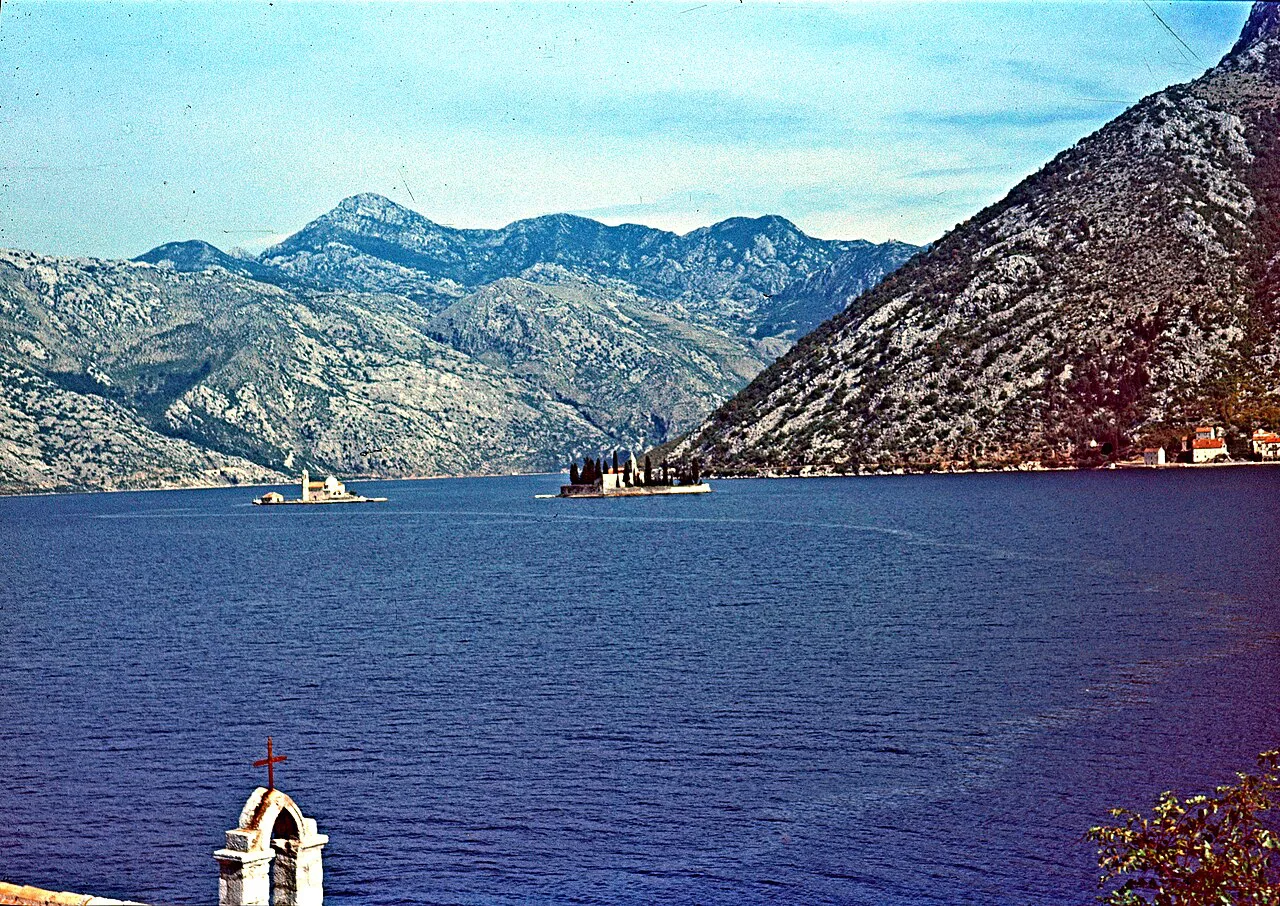
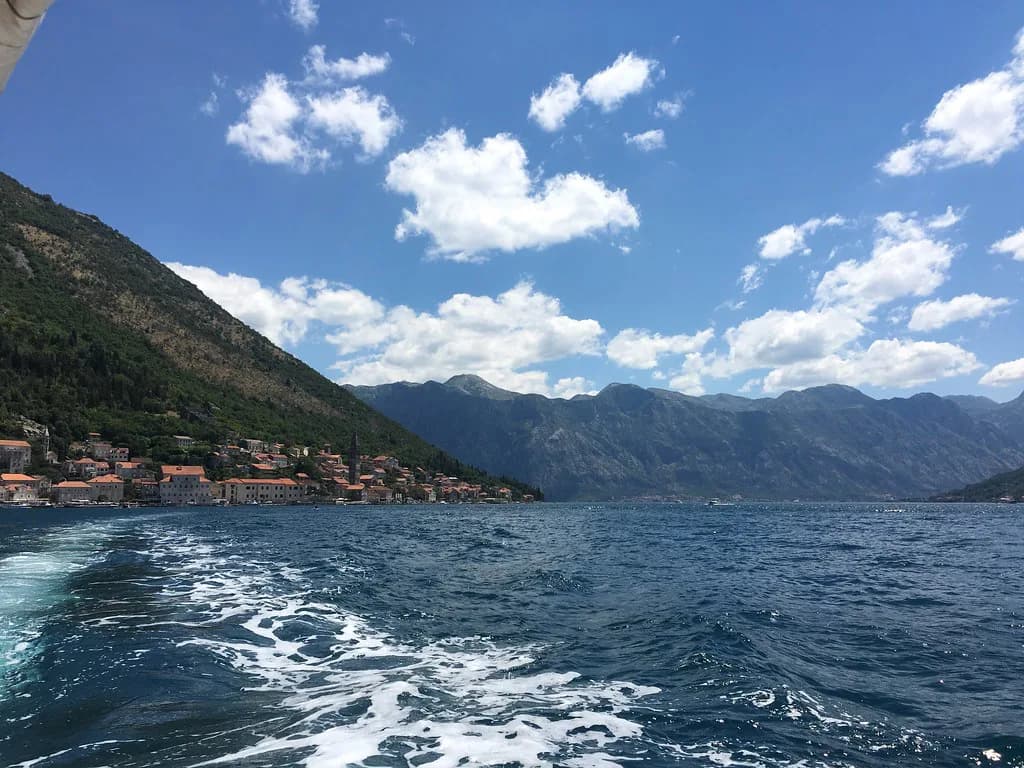
The natural pairing for Stoliv is the short crossing to Perast, from where boats run out to the two islets offshore: Sveti Đorđe and Gospa od Škrpjela, known in English as Our Lady of the Rocks. The village is described as a base for a boat trip to Perast and its islets, which is the most efficient way to combine the two.
Fares and timetables for the crossing are best confirmed with boat operators at the waterfront on the day rather than budgeted from a figure here. The crossing is short enough that a morning start leaves the afternoon free for the climb to Gornji Stoliv. If you are driving the bay, the Kamenari–Lepetane ferry further west is a separate link in the chain.
Views from the Vrmac hillside
The slopes above Stoliv look straight across at Perast and out over the bay, and the climb towards the chestnut forest opens up the widest angles. The Vrmac hill above Stoliv is described as offering panoramic views over the Bay of Kotor, which is the strongest argument for doing the upper half on foot rather than skipping it. Go early or late in the day for clearer light and cooler air.
How much time Stoliv needs
Stoliv is a walk and a shoreline stop rather than a queue-and-ticket affair. Time it generously: the shore lanes, the churches and the climb to Gornji Stoliv are the substance of the visit, and the boat to Perast adds to it if services are running.
Pair Stoliv with Perast for a full day if you want the islets as well, or slot it into a Kotor day if you only want the two-level walk. The other shore villages of the bay, such as Lepetane and Dobrota, work as add-ons on the same drive rather than separate outings.
Should you walk up to the upper village?
Yes, if you have two hours and reasonable shoes: the chestnut-forest hamlet with the Church of St Ilija at its heart is the half of Stoliv that most day-trippers miss. Skip the climb only if mobility or heat makes the gradient unwise, in which case the lower village and the boat to Perast still fill an afternoon comfortably.
Explore more Bay of Kotor guides
Sources
Notes for your Montenegro trip
Optional updates to our Montenegro town guides.
You might also like
Continue reading
More guides you'll find useful