Kamenari–Lepetane Ferry: Crossing the Verige Strait by Car or Foot
The Kamenari–Lepetane ferry crosses the Verige Strait in about 15 minutes and runs roughly every 20 minutes. Here is what it costs and how to use it.
On this page
The Kamenari–Lepetane ferry is a short vehicle and passenger crossing of the Verige Strait that cuts out the drive around the inner bay, taking roughly 15 minutes and running about every 20 minutes. It is a link in a journey rather than an outing, and it only pays off when your route actually crosses the strait. This guide covers the two slips, what you pay, how foot passengers board, and the cases where the road wins.
What the crossing does
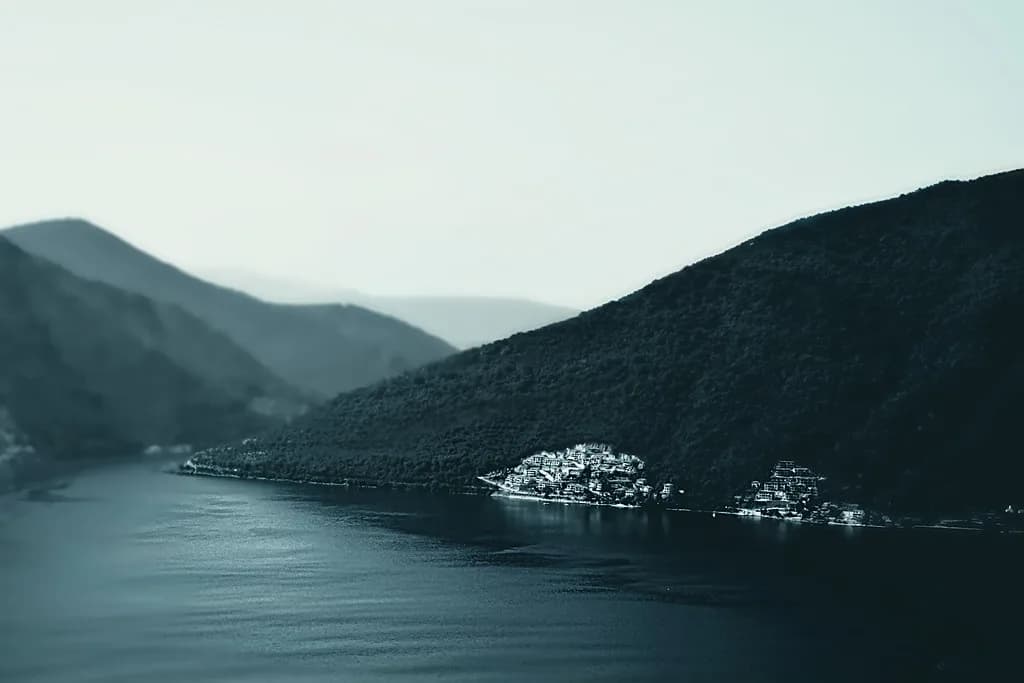
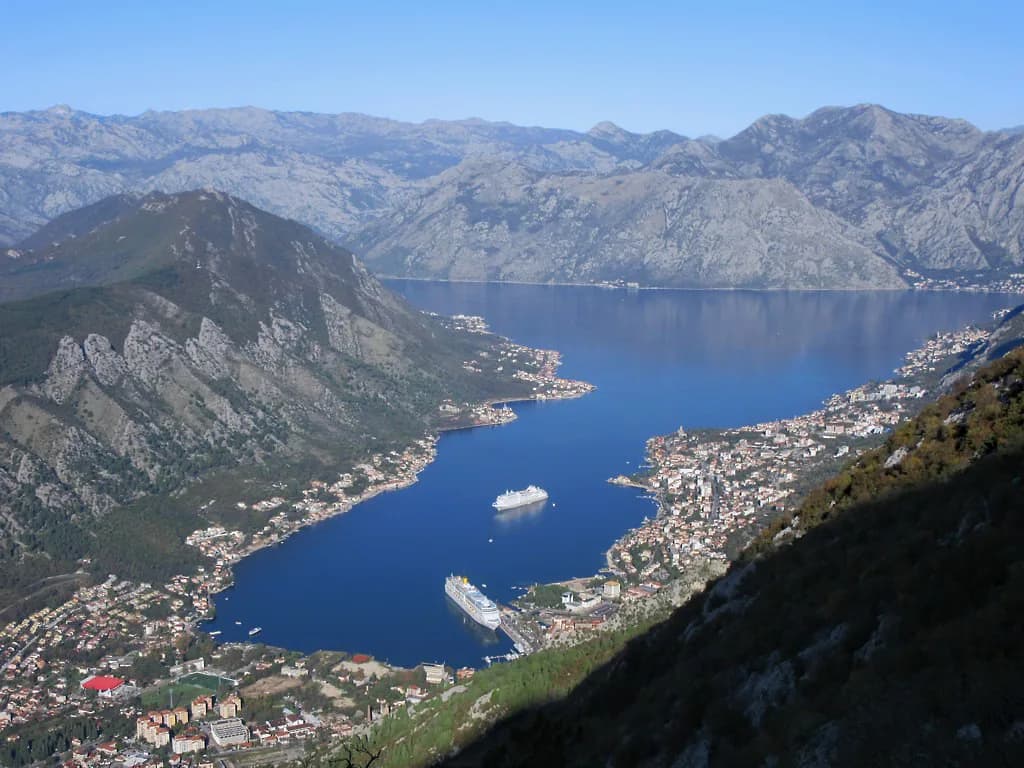
The Verige strait is the narrow point that separates the bay into its inner and outer sections, with the Herceg Novi, Tivat, Risan and Kotor bays named as the four parts of Boka Kotorska. That geography is the whole reason for the ferry: it moves you from the north-western shore to the Tivat side without tracking all the way around the water. If your day stays on one shore, the crossing is a detour rather than a shortcut.
Treat the ferry as a piece of transport between Herceg Novi and Tivat or Kotor, not as something to tick off. Drivers heading south-east along the coast are the natural customers; anyone already on the Tivat side gains nothing from crossing and crossing back.
How long it takes and how often it runs
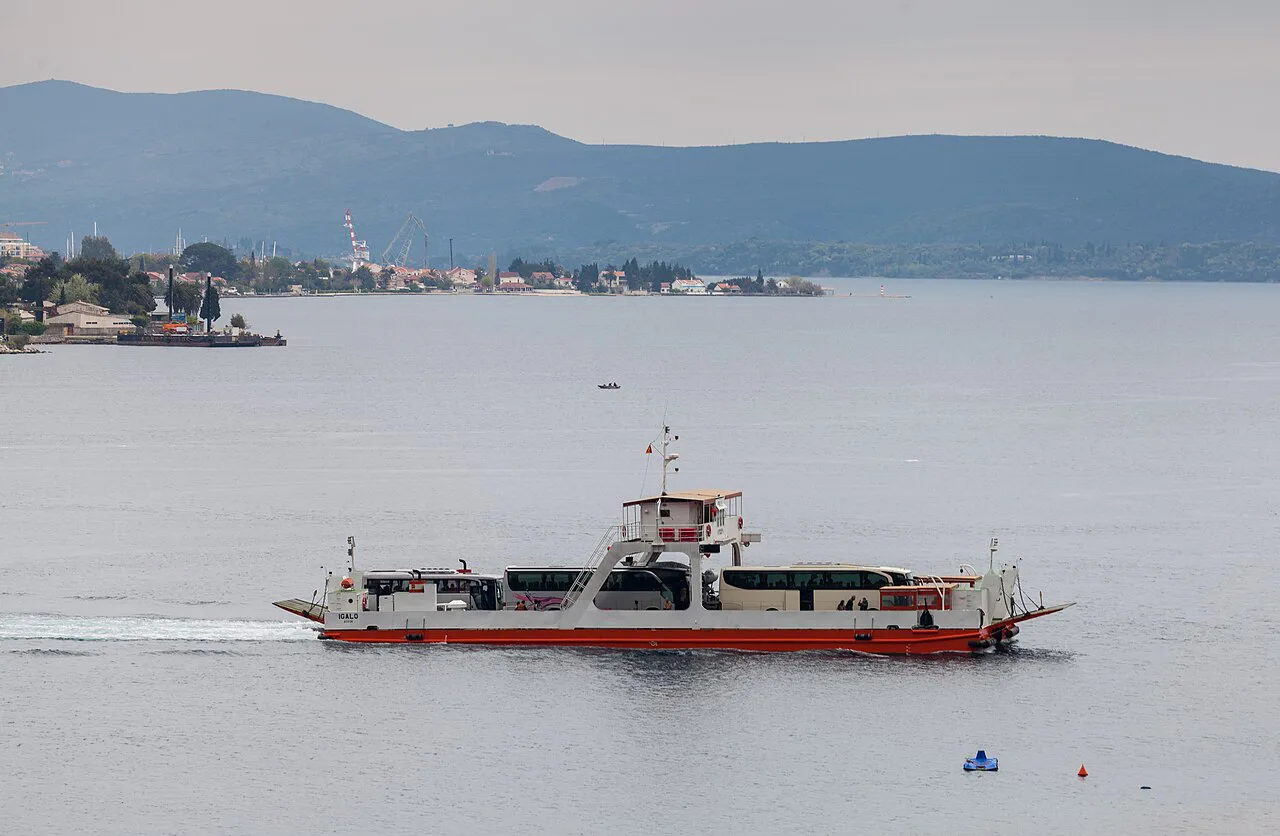
Expect a crossing in the region of 15 minutes, with sailings roughly every 20 minutes through the day. Those figures are typical rather than a published timetable, so they are useful for planning and not for catching a specific sailing. There is no separate booking step described for the normal crossing; you turn up at the slip and wait for the next departure.
Build a margin around the crossing rather than a tight connection. In summer the queue at the slip can be the slow part, while the water crossing itself is short. If you are catching a flight from Tivat or meeting a boat in Kotor, give yourself room either side.
What a ticket costs
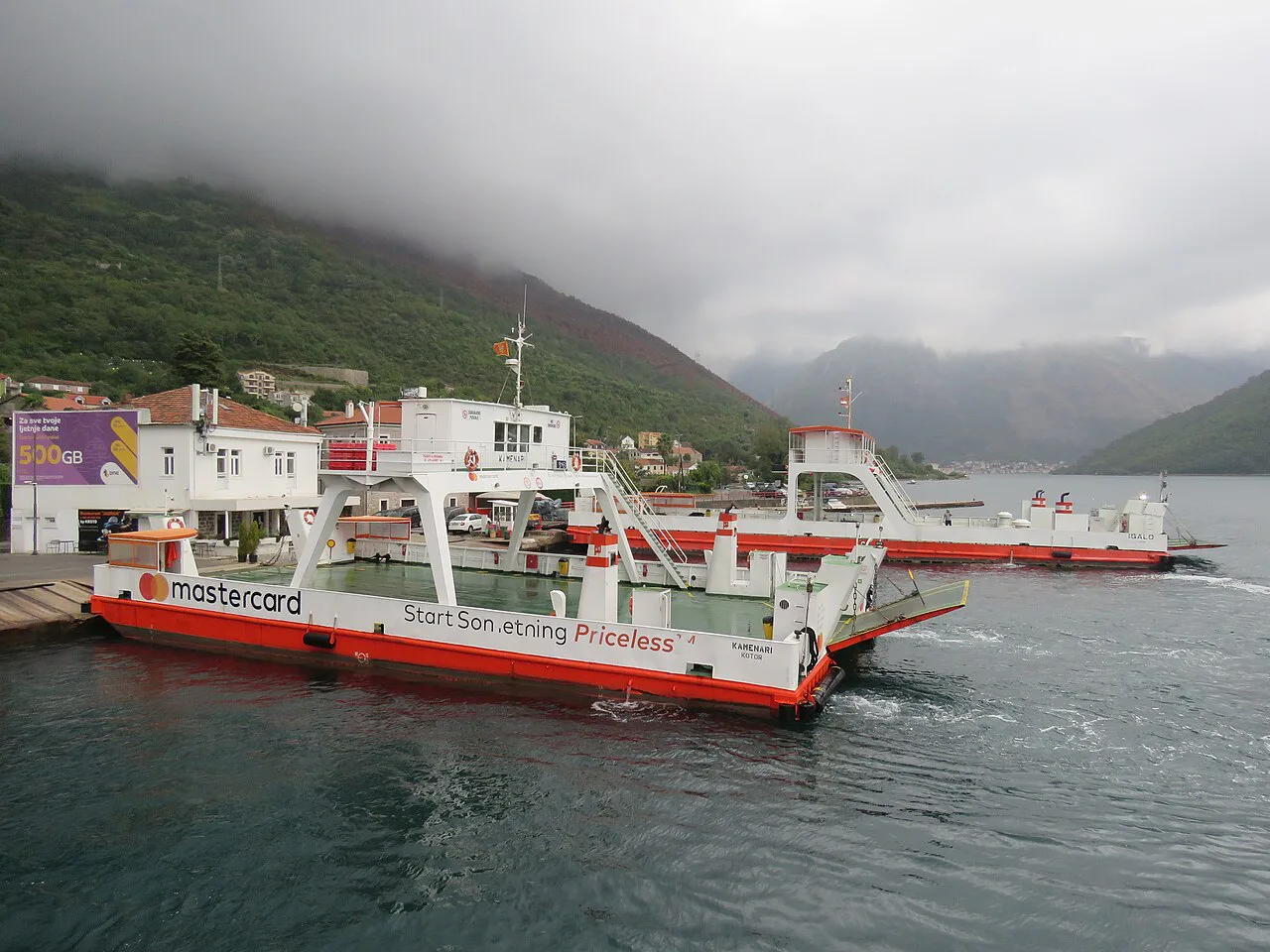
Fares for the Lepetani to Kamenari crossing are quoted in a range of about three to five euros, depending on the ticket. Treat that as an indicative cost for the crossing rather than a fixed car tariff, because the exact price depends on what you are carrying and how it is counted at the slip. Pay in euros as you board.
The operator Trajekt runs the service, and it is the place to confirm the current tariff and any difference between a car and a foot passenger before you rely on a figure.
The two slips and the roads they connect
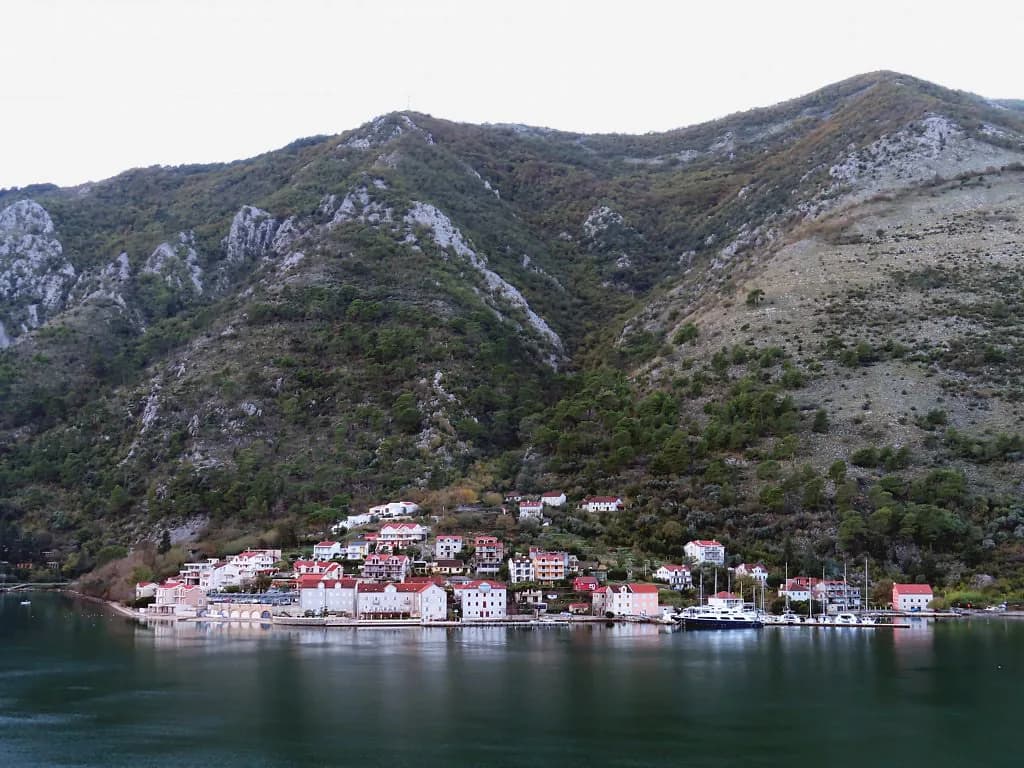
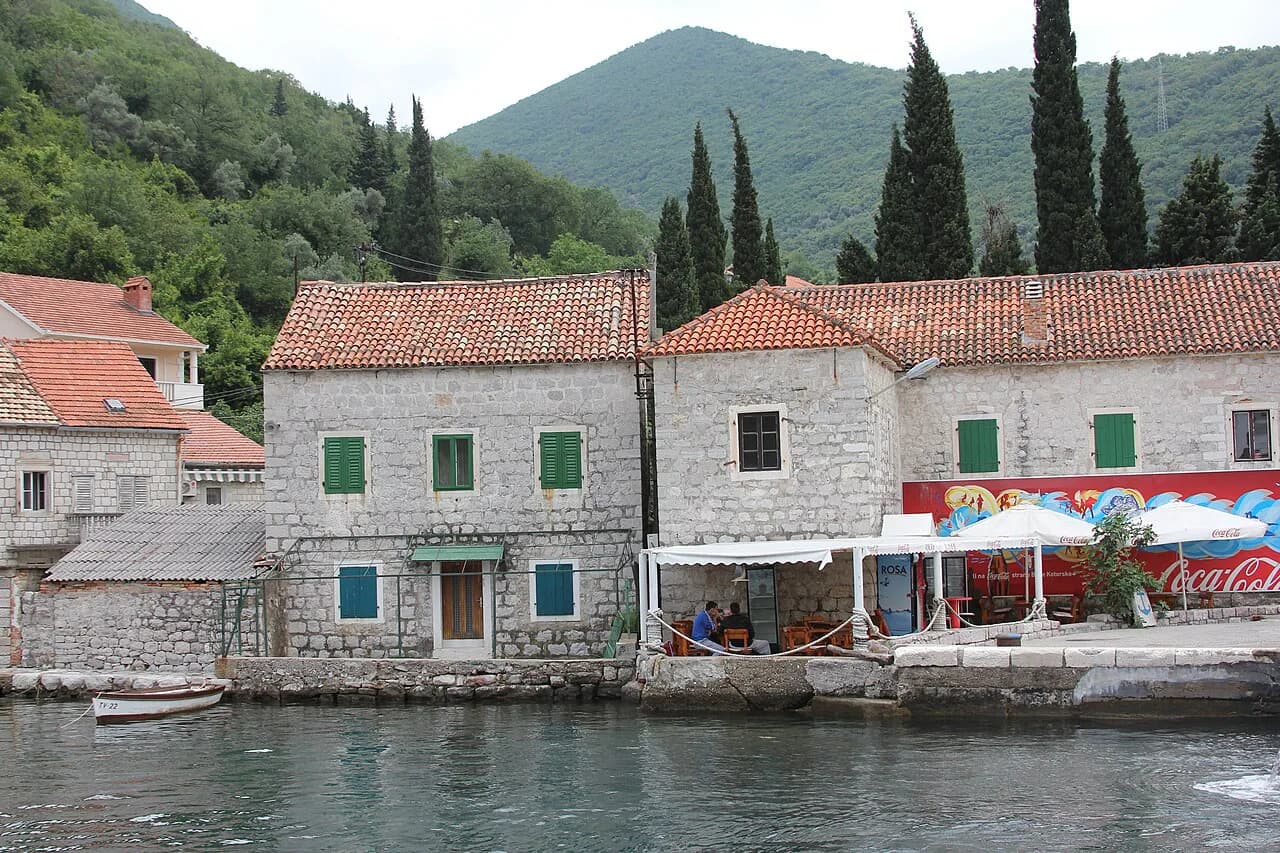
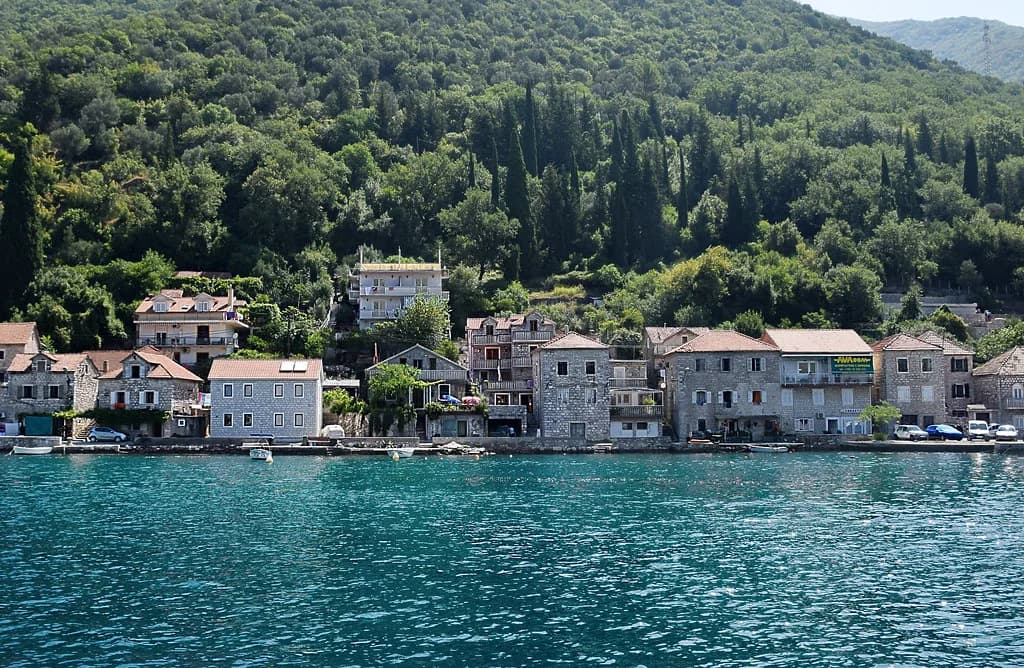
Kamenari sits on the Herceg Novi side of the strait, on the coast road that runs down from Herceg Novi towards the Verige narrows. Lepetane faces it on the Tivat side, from where the road continues towards Tivat and on around to Kotor. Cross in the Kamenari to Lepetane direction if you are coming from Herceg Novi and heading for Tivat or Kotor; the reverse crossing suits the opposite journey.
Both slips are roadside landings where you join the line and board when directed. Use the Bay of Kotor map to check how the coast road and the crossing sit against the rest of your route before you commit.
Ferry or the road around the bay
Driving around the bay instead of crossing means following the shore through Risan and along the inner coast, so the road takes in more of the bay than the short hop over the strait. The ferry is the better choice when the strait is directly between where you are and where you are going. The road is the better choice when your stops lie along the shore you would otherwise skip, because the drive becomes part of the day rather than a way of avoiding it.
On foot or by bike
Foot passengers and cyclists use the same crossing as cars, boarding at the slip and paying as they board. There is no separate terminal building to navigate, so you walk on, make the short passage and walk off at the other side.
A foot crossing is a practical way to link the two shores for a walk, with Lepetane and the shoreline towards the Tivat side on one side and the Herceg Novi coast on the other. Plan your return crossing before you set out, since you will be relying on the service running as expected at the time you come back.
Using it between Herceg Novi and Tivat or Kotor
Coming from Herceg Novi, the ferry is the natural way to reach Tivat and Kotor without retracing the outer coast. Coming from Kotor or Tivat, it shortens the run up to Herceg Novi and the border side of the bay. Match the crossing to your direction of travel and it does real work; take it out of habit in the wrong direction and you simply pay to end up where you started.
For the wider picture of what sits on each shore, including Dobrota on the Kotor side, it helps to see the crossing as one link in a loop rather than a single trip.
Before you queue
Check on the day that the service is running as expected and confirm the fare at the slip, since the figures here are indicative rather than a published tariff. Beyond that, the crossing needs little preparation: arrive, join the depart line, pay and board. The main thing to get right is whether the strait is genuinely on your route.
Should you take the Kamenari–Lepetane ferry?
Take it when the Verige Strait sits between you and your next stop, which usually means travelling between Herceg Novi and Tivat or Kotor. Skip it when your day follows one shore, because the drive around the bay will show you more than a short crossing will. Confirm the current fare and that the service is running before you set off.
Explore more Bay of Kotor guides
Sources
Notes for your Montenegro trip
Optional updates to our Montenegro town guides.
You might also like
Continue reading
More guides you'll find useful