Montenegro Architecture: Where to See Romanesque, Ottoman and Modernist Buildings
A practical guide to Montenegro's architecture, from Venetian and Ottoman old towns to Orthodox monasteries and Yugoslav modernism, with places to see each.
On this page
Montenegro's architecture is best read town by town: Venetian and Mediterranean stone lanes on the coast, Ottoman-influenced quarters with low houses and shutters, Orthodox monasteries inland, and a distinct Yugoslav-era layer from 1945 to 1980. You do not need a single architectural pilgrimage; three or four stops along the coast and one inland will show you most of the range. This guide pairs each style with named places and explains what to look at when you arrive.
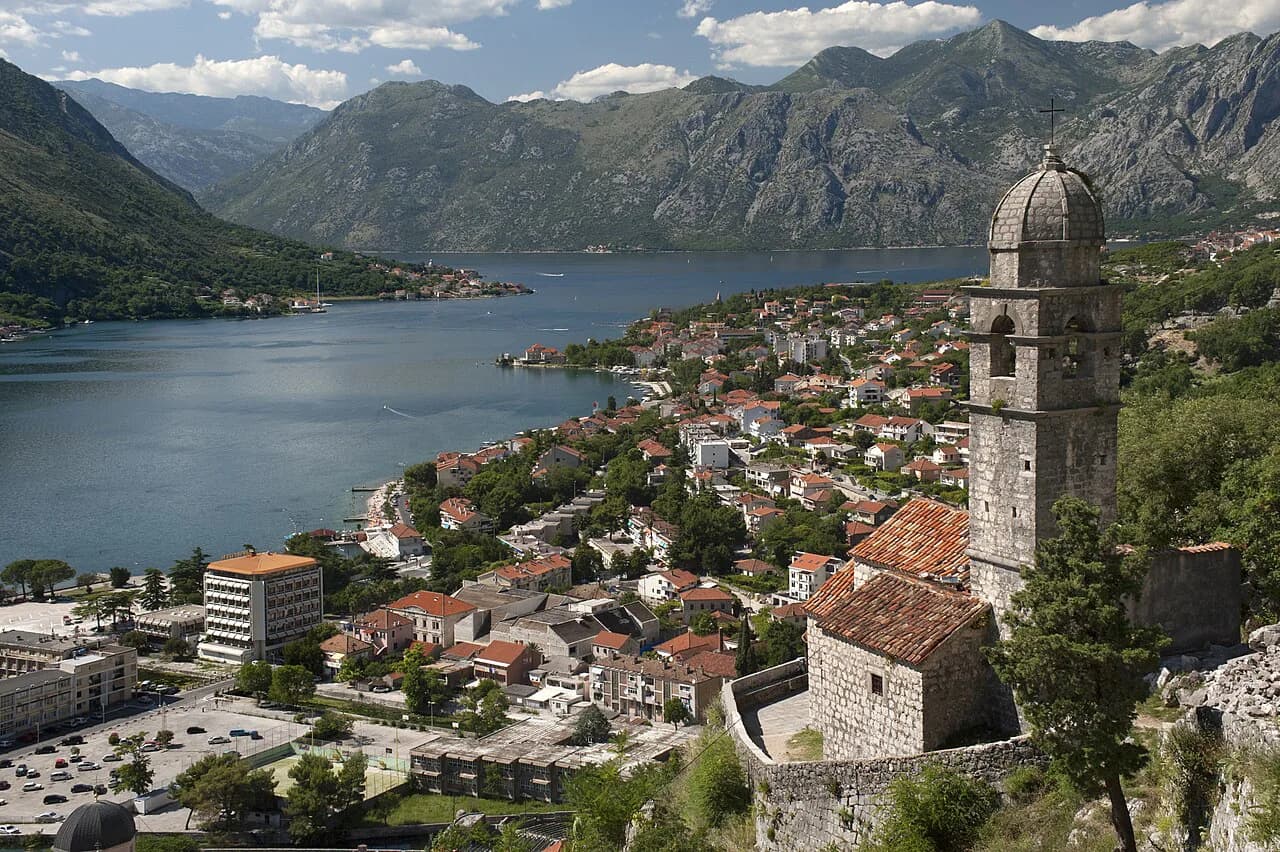
The common thread is material and terrain. Coastal settlements grew as tight networks of paths, piers and stone walls stepping down to the sea, with churches and squares placed high in the town and houses below. Once you know that pattern, a walk through any old town becomes legible: you are looking at how steep ground and sea access dictated where buildings went and how streets bend.
What styles of architecture you see across Montenegro, and in which towns
The country's building stock mixes Venetian, Byzantine and Ottoman influences, and the blend is most obvious along the coast, where a Mediterranean style took shape from those strands. In practical terms, Kotor, Budva and Herceg Novi are where you go for walled coastal towns, while inland towns and monastery complexes show the Orthodox and Ottoman layers.
Treat the styles as overlapping rather than sequential. A single coastal street can show Venetian window proportions, Ottoman-era shutters and 20th-century interventions side by side, which is why walking is more useful than ticking off individual buildings. If you want the historical frame behind what you see, the wider Montenegro history covers the periods that produced each layer.
Several of the coastal towns are recognised for their built heritage, which affects how they are maintained and what you can access. The Montenegro's UNESCO Sites guide explains which areas carry that status and what it means for a visit, so you can plan a route that includes the protected cores rather than skirting them.
Venetian and Mediterranean old towns: stone lanes, gates and coastal squares in Kotor, Budva and Herceg Novi
Kotor is the clearest place to study the coastal pattern: a walled town of narrow stone streets and small squares, with defensive walls climbing the steep rock above. Walk in through one of the town gates, then notice how the squares open suddenly where streets meet and how churches sit at the higher, more prominent points. Allow a couple of hours simply to walk the lanes without a map.
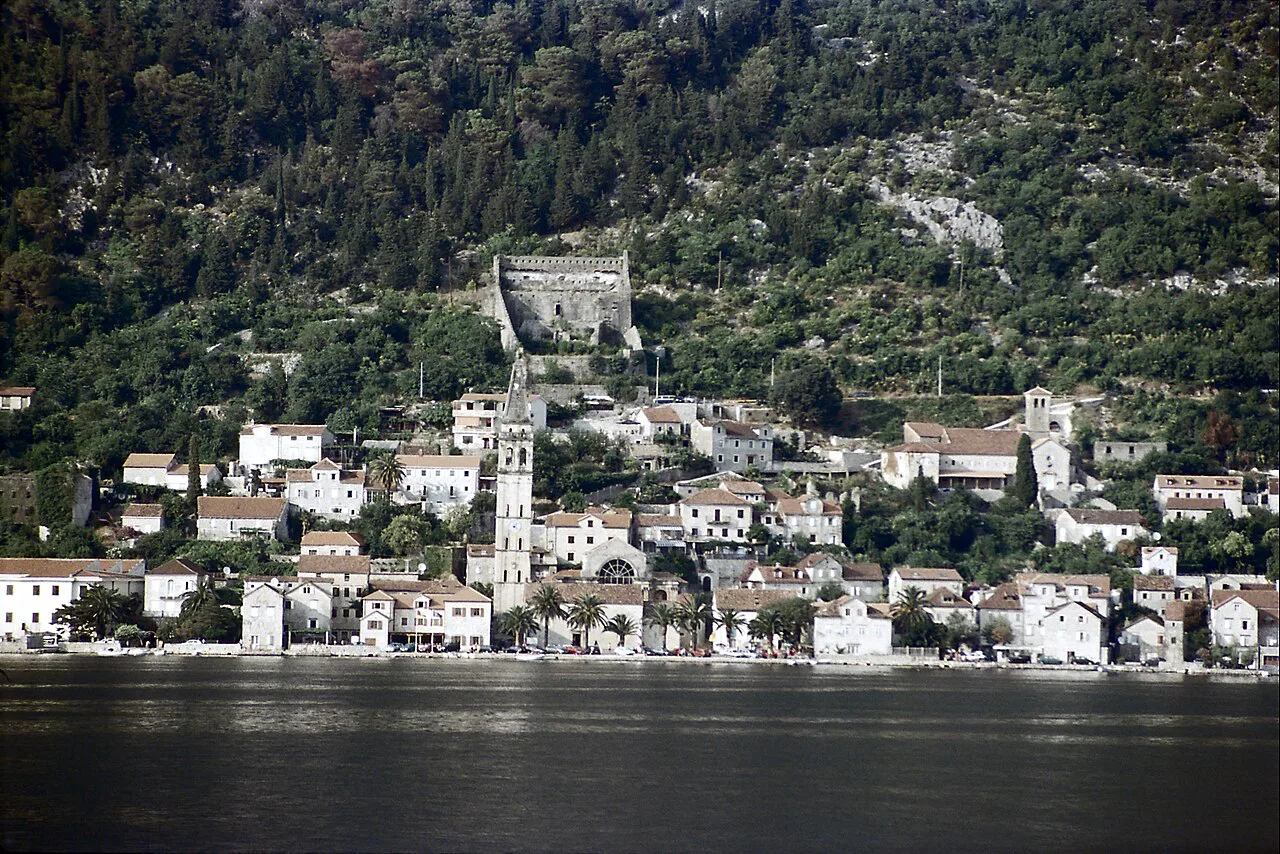
Budva and Herceg Novi reward the same approach. Budva's old core shows the tight Mediterranean street pattern with original architecture still visible in places, while Herceg Novi spreads across terraces above the water, so you are constantly reading buildings against slope. In both, look at how doors, gates and window shutters carry colour and detail that the plain stone walls otherwise lack.
Ottoman-influenced quarters and their low houses, shutters and narrow streets
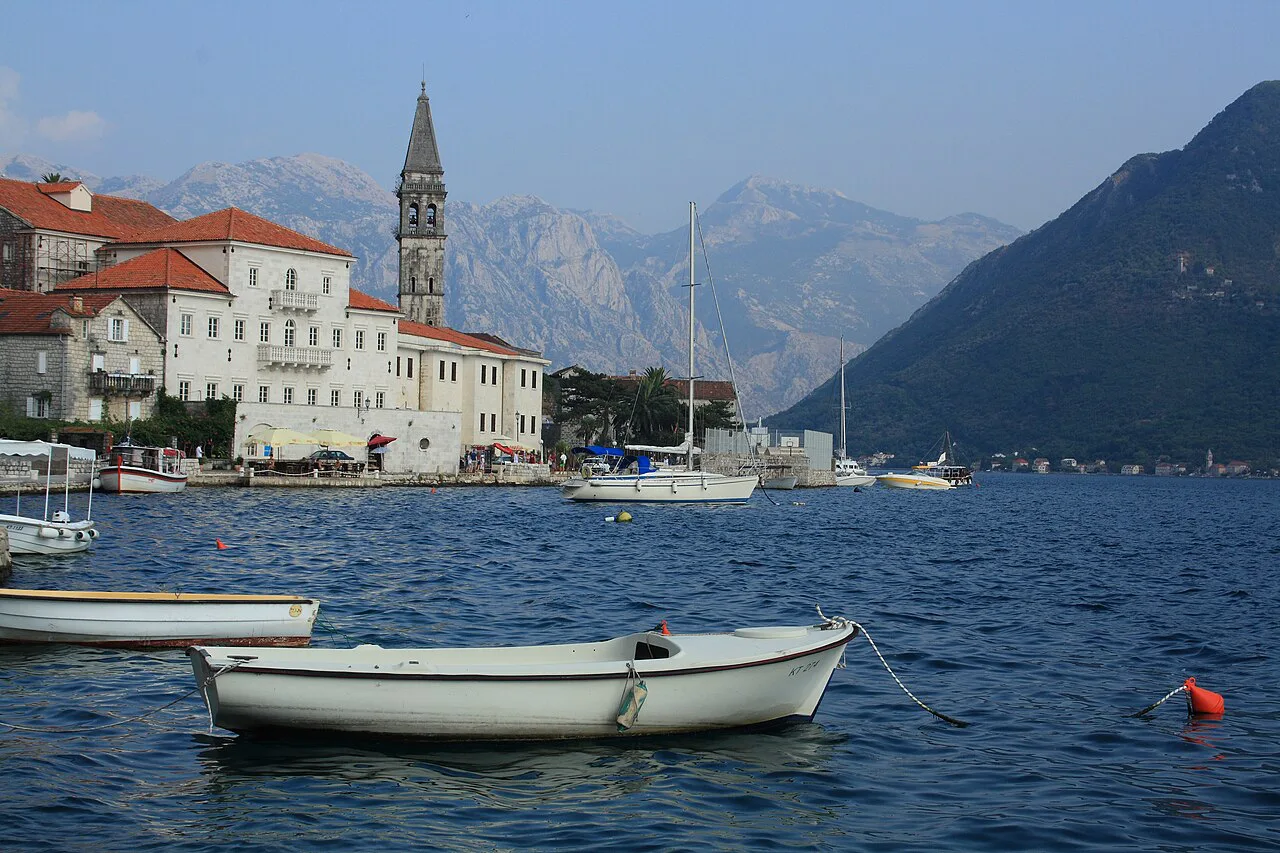
Ottoman influence shows most clearly in smaller-scale housing: low buildings, projecting upper floors, wooden shutters and streets narrow enough to stay shaded. Rather than hunting a single museum building, look at the ordinary houses on the edge of old cores, where later coastal styles thin out. The most reliable signal is the joinery, especially shutters and doors with colour against pale stone.
Because these quarters are lived-in rather than curated, they are best seen slowly and on foot. Pick a town with a clearly bounded old core, walk one long street end to end, then climb a parallel lane to compare how the houses step with the ground. Churches and public squares in these settlements often sit at the highest and most prominent points, with residential buildings on the lower levels, a hierarchy worth looking for as you go.
Orthodox monasteries and churches: what to look for outside the coast
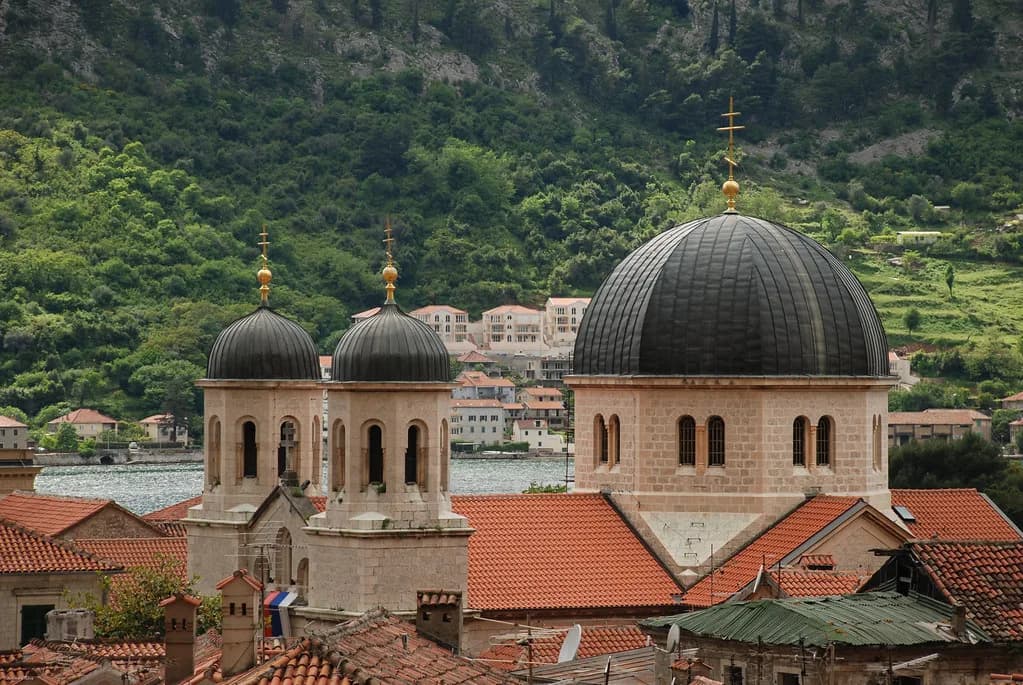
Inland, the building type changes: monastery complexes and churches rather than dense street walls. Look for the arrangement of church, enclosure wall and residential or service buildings around an open court, and for stonework that differs from the smooth coastal ashlar. These sites are working religious places, so plan your visit around services and keep dress and photography modest.
Monastery courts are also where you can compare Byzantine-derived church forms with later additions in one place, which is harder to do in a busy coastal town. If your interests run to older layers beneath the medieval and Ottoman work, the Roman ruins guide shows where pre-medieval remains sit in the landscape.
Modern Montenegro: the GAD Architecture resort scheme and its use of local stone and coastal topography
Contemporary design in Montenegro often borrows the old coastal grammar rather than rejecting it. A resort scheme for Montenegro by GAD Architecture, described in 2020 as an ongoing project, arranges its hotel and residences using the same logic the architects attribute to historic settlements: communal buildings such as churches and squares at the highest points, residences below, and roads cut to follow the slope so sea views stay open. The design also builds in rough-hewn stone walls and stepped routes, drawing on the rooftops of nearby Sveti Stefan and local village patterns.
This is a design statement, not a report on a building you can visit: the 2020 text describes an ongoing scheme, so check its current state before planning a trip around it. Read it instead as an illustration of how architects here handle steep ground, sea views and privacy, with terraces and pools placed to keep lower levels screened.
Portonovi as a new coastal development: natural materials, open floor plans, patios and shutters
Portonovi, on the coast at Herceg Novi, is a new development that deliberately reuses coastal house elements. Its own description of the architecture lists extensive wood and stone, open-plan interiors that open onto outdoor space, gardens with paved patios, and windows, doors and gates detailed with coloured doors and traditional Mediterranean shutters. Read that as the developer's account of its design intentions rather than an independent verdict.
For a visitor, the value is comparative: walk an old town in the morning, then look at Portonovi and see which elements carried over, particularly the palette of whites and earth tones and the use of shaded patios. The parts you can see without entering private property are the streets, gardens and facades, so judge it as streetscape rather than interior design.
If you want to see how Montenegro's older inland layers are presented in museum settings, the Montenegro museums guide is a useful companion to the coastal walks.
Yugoslav-era architecture, 1945-1980: what survives and why it looks different
The period from 1945 to 1980 forms a separate architectural layer that is often skipped in coastal itineraries. Academic work on architecture in Montenegro in those years treats it as a heritage subject in its own right, covering the buildings of the former Socialist Republic of Montenegro. Expect larger volumes, different materials and planning priorities from the medieval cores you have just walked.
The most practical way to see this layer is to add Podgorica or a larger coastal town to your route and look at the civic and residential buildings away from the old cores. Compare facade systems and window rhythms with the hand-set stone you saw earlier. The contrast is the point: it shows the 20th century as a distinct layer rather than an interruption.
Cars, buses and walking between the coastal and inland examples
Plan the coastal group on foot and the inland examples by road. Kotor, Budva and Herceg Novi are close enough to string together by bus, and each old core is walkable once you arrive, so you do not need a car for the Venetian and Mediterranean stops. Monastery and inland visits are easier with a vehicle or an organised tour, because they sit away from the main coastal line.
Give each stop enough time to walk rather than photograph: two to three hours per old town lets you cover the lanes, the squares and the waterfront. If you are combining the coast with the Bay of Kotor, plan the day around the water crossing rather than trying to drive every leg. Allow a full day for any inland monastery detour, since the roads are slower than the coastal highway suggests.
Reading a building as you go: materials, shutters, rooflines and the steep terrain
Once you have a few reference points, you can read most Montenegrin buildings from the street. Start with the material: rough stone walls on slopes and in service corridors, smoother facades in the main squares. Then check the roofline and how the building meets the ground; stepped entrances and retaining walls usually mean the slope dictated the plan.
Shutters and doors are the fastest way to date and place a facade, since their colour and detail vary between the coastal towns and the inland settlements. Look at how private terraces and upper-level rooms are set back to keep views open, a device that appears in both historic villages and new resort designs. If you want to dig into the periods behind these details, the Montenegro history pages give the sequence.
Which architectural stop to build your day around
Centre a coastal day on Kotor, then add Budva or Herceg Novi for contrast, and keep an inland day for monasteries and the 1945-1980 layer in a larger town. Buy transport tickets and check monastery visiting arrangements locally, since arrangements vary by site and season.
Frequently Asked Questions
Are there any historical sites to visit in Montenegro?
Yes. The walled coastal towns of Kotor, Budva and Herceg Novi are the easiest historical stops, with stone lanes, gates and squares you can walk in two to three hours. Inland, Orthodox monastery complexes and churches sit away from the coast, and larger towns add a Yugoslav-era layer from 1945 to 1980.
Which country is best known for its architecture?
That question does not have a useful answer for a Montenegro trip. What matters here is the local blend: Venetian, Byzantine and Ottoman influences on the coast, Orthodox church building inland, and 1945-1980 modern work in the bigger towns.
Do I need a car to see Montenegro's architecture?
No for the coastal old towns, which are walkable and linked by bus. A car or organised tour makes inland monasteries and scattered 20th-century buildings much easier, because they sit off the main coastal route.
Sources
Notes for your Montenegro trip
Optional updates to our Montenegro town guides.
You might also like
Continue reading
More guides you'll find useful