Montenegro's UNESCO Sites: The Four Inscriptions Explained
Montenegro holds four UNESCO World Heritage inscriptions. Here is what each one covers, from Kotor and Durmitor to the stećci tombstones and Venetian defences.
On this page
Montenegro holds four UNESCO World Heritage inscriptions, and the quickest way to make sense of them is to separate cultural from natural and single-country from shared. The Natural and Culturo-Historical Region of Kotor was the first to be added, in 1979, followed by Durmitor National Park as the country's natural listing. The stećci medieval tombstones and the Venetian Works of Defence are transnational properties, and Kotor's fortified city forms part of the Venetian listing, so Montenegro holds only part of each shared property. This guide explains what each inscription covers, which towns and lakes fall inside it, and how the four fit into a realistic route.
The four inscriptions at a glance
The Kotor region and Durmitor National Park are the two Montenegro-only properties. The stećci graveyards and the Venetian fortifications are shared with neighbouring countries, so they appear on the World Heritage List under several nations rather than one. Across the four, Kotor counts twice: once as the bay region and once as the fortified city within the Venetian Works of Defence.
Montenegro's four inscriptions sit in different parts of the country, so they do not make a single day out. Kotor and its bay belong to the coast, the stećci sites named for Montenegro lie inland around Žabljak and Plužine, and Durmitor rises in the north. The Venetian defence listing adds the fortified city of Kotor to the coastal picture, which is why Kotor appears twice across the four. If you want the wider story behind these places rather than the listings themselves, our Montenegro history guide covers the ground.
The Natural and Culturo-Historical Region of Kotor
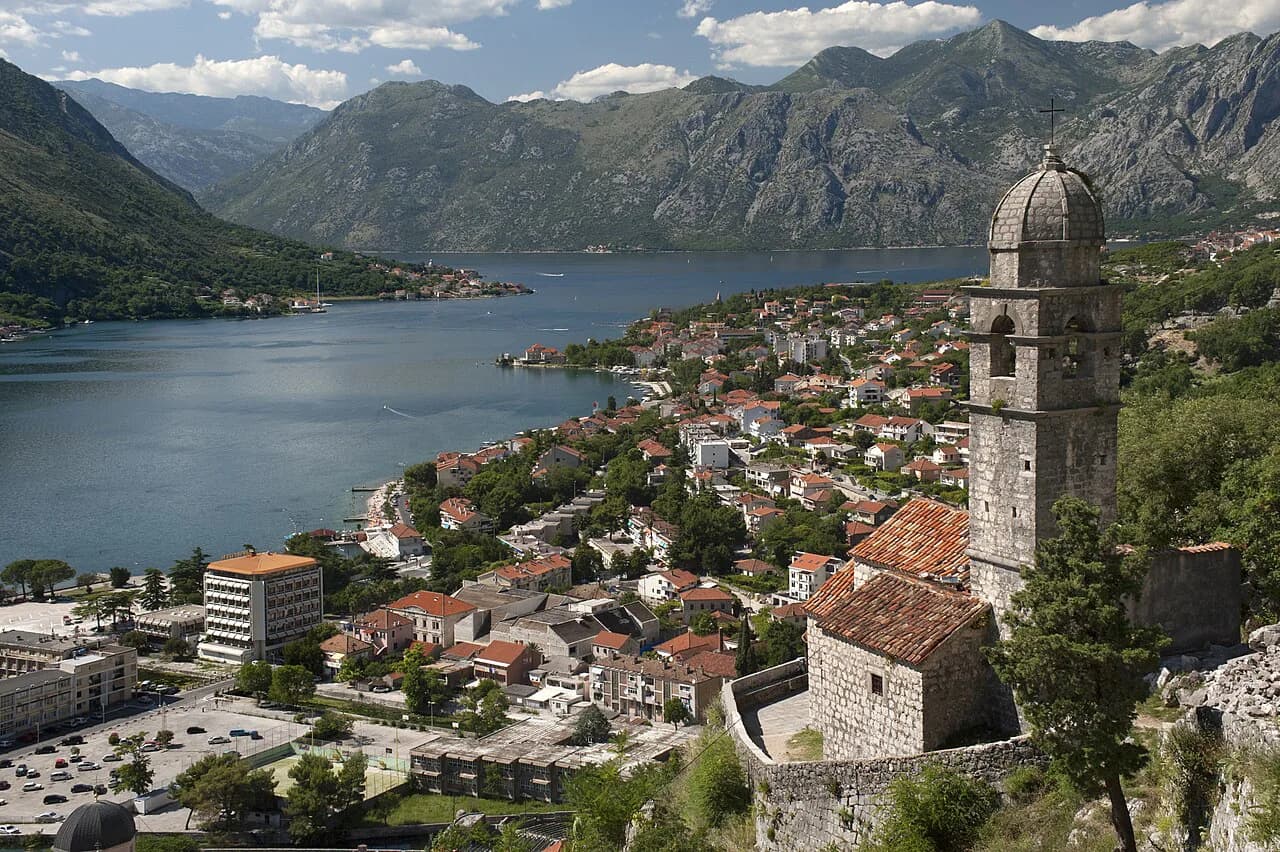
The Kotor listing was the first property in Montenegro to be inscribed, in 1979, and it covers the bay and its towns together rather than the old town alone. That boundary matters when you plan: Perast and Risan, the two historic villages on the bay, fall inside the protected region, as do the two islets offshore. Visitors who treat Kotor as a single walled town miss much of what the inscription protects.
The two islets are Sveti Đorđe, the island of St George, and Gospa od Škrpjela, Our Lady of the Rocks. Both sit in the water off the bay near Perast, and they are described as part of the same heritage rather than as separate attractions. Boat services out to them are set by the operators, so confirm departures and any ticket cost with the boat operator on the day you travel.
What to see in Kotor's old town and on the walls
Inside the walls, the Cathedral of St Tryphon is the building most visitors head for first, and the Maritime Museum of Montenegro sits in the same compact old town. The cathedral is known locally as Katedrala Svetog Tripuna, and the sources date its construction to 1166, which makes it older than Notre Dame. Both give you an indoor option when the middle of the day is crowded.
The climb up to the fortress ruin above the town is the other half of a Kotor visit, and it is a real effort rather than a stroll: roughly 1,350 steps over about 1.2 kilometres, gaining height the whole way. Go early, because the walls are the first place to fill when cruise ships are in. The town still has quieter hours even on busy days, and small courtyards off the main squares are good places to sit out the peak.
Kotor is straightforward to reach without a car. The city has a bus station with national and international connections, including services to Podgorica and Tirana, and boats on the bay can be booked from the harbour in front of the town. If you are comparing the coastal towns before you commit, our notes on Montenegro museums help you weigh the indoor sights against the walking.
The Kotor fortifications as part of the Venetian Works of Defence
The Venetian Works of Defence between the 16th and 17th centuries were inscribed in 2017 and span fortifications in Italy, Croatia and Montenegro. One of the six is the fortified city of Kotor, described as the oldest of the group and as still well preserved. That is why the same walls you climb for the view also carry a second, separate World Heritage label.
Read the defences for what they show rather than as scenery: the bastions record how military engineering developed and how Venetian commercial interests were protected across the Adriatic. Kotor's fortifications are also listed as a UNESCO property in their own right, so the town contributes to two different inscriptions at once. For the wider built heritage of the coast, our Montenegro architecture guide picks up the same thread.
Durmitor National Park: the glacial lakes and the Tara canyon
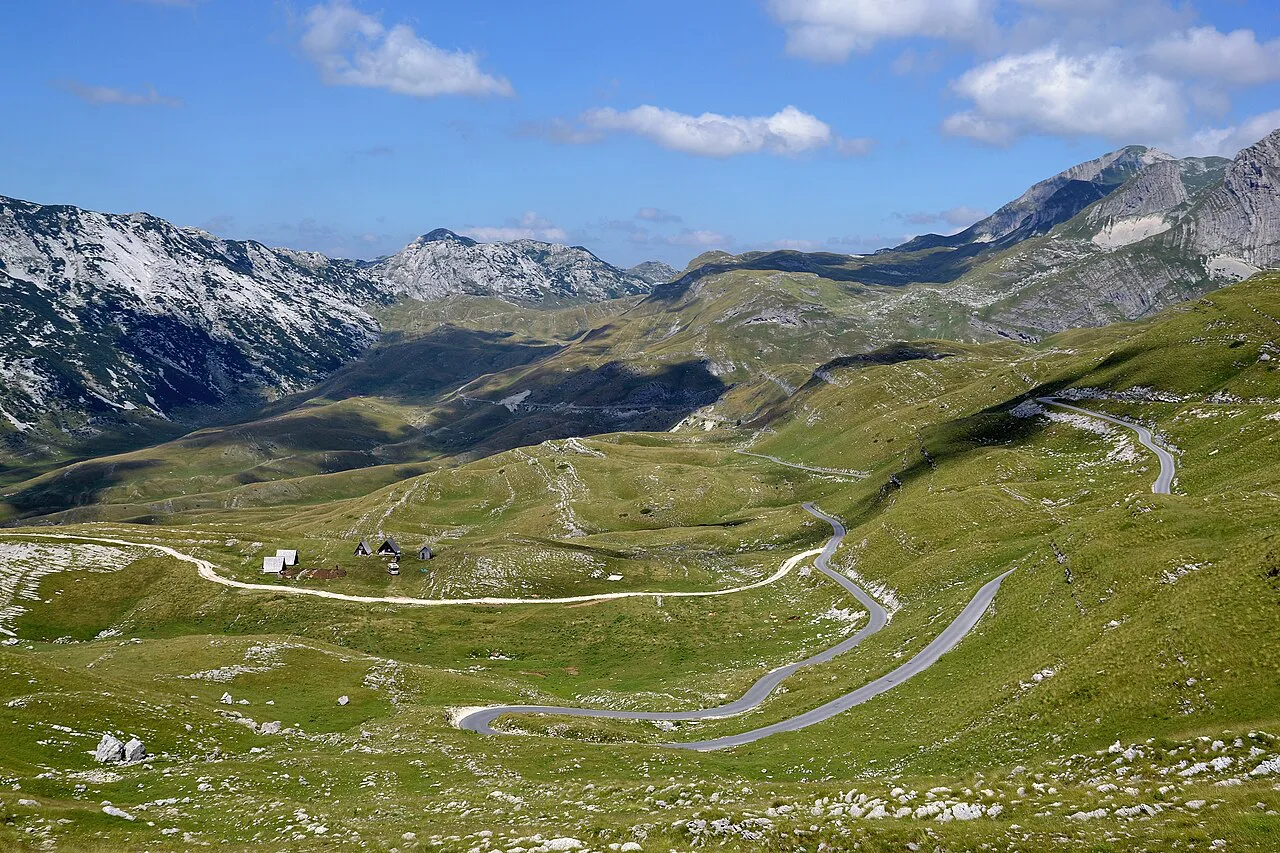
Durmitor is Montenegro's natural inscription, and it is the one property on the list that has nothing to do with fortifications or medieval carving. Inside it you find rivers, glacial lakes, rugged peaks and underground streams, with the canyon of the Tara running through the massif. The high plateau is called Jezerska površ, the plateau of lakes, because of its 18 lakes scattered across the massif.
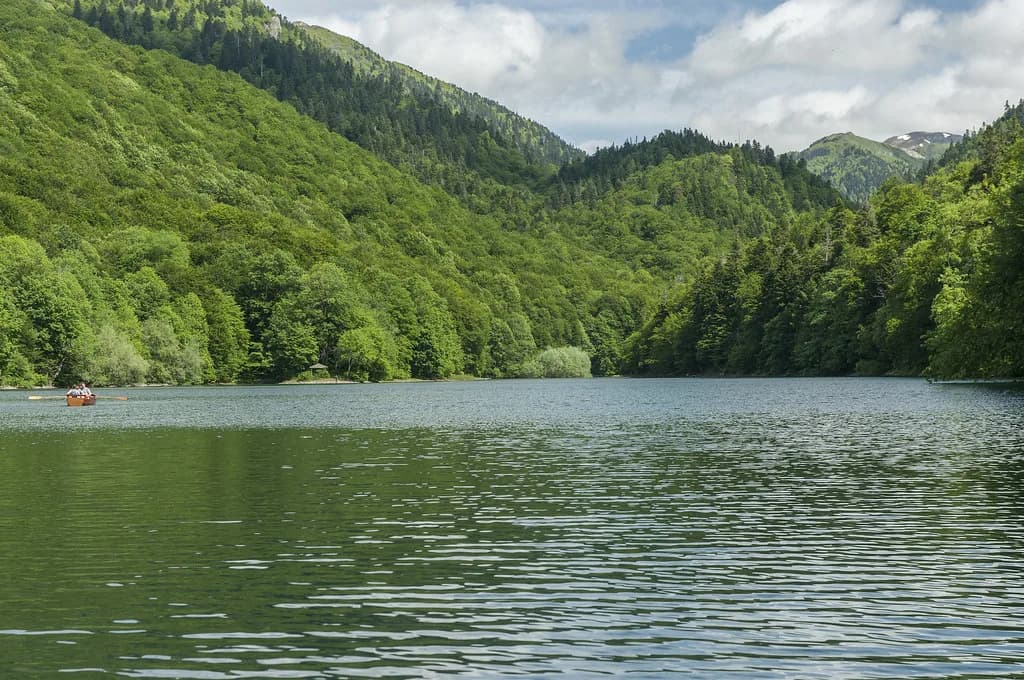
Of those lakes, the Black Lake is the one most visitors reach, and it is described as the prettiest of the set. It sits within the same protected landscape rather than on a separate site, so a mountain base gives you both the lake and the surrounding viewpoints without moving on. Leave the trails themselves to dedicated hiking guides and treat Durmitor here as a place to slot into your route.
The stećci medieval tombstones: where Montenegro's three sites are
The stećci are monolithic carved tombstones from the medieval period, found mainly across Bosnia and Herzegovina, Croatia, Serbia and Montenegro. The shared listing dates from 2016 and covers the tradition as a whole rather than a single graveyard. Within Montenegro there are three locations: two at Žabljak and one at Plužine.
The Montenegrin stones are cut from limestone and decorated with motifs and inscriptions, so they are worth a short deliberate stop rather than a glance from the car. Because two of the three sites sit at Žabljak, the tombstones pair naturally with a Durmitor leg: you can see the mountain property and part of the shared property on the same day. The Plužine site lies on a different line of travel, so plan it separately if you want all three.
How the four inscriptions differ: cultural, natural and transnational
Three of the four are cultural properties and one, Durmitor, is natural, which changes what you do when you get there: you walk or drive a landscape rather than tour a monument. Three of the four are shared with other countries, and those listings protect a type of place rather than one town. That distinction explains why the stećci entries are scattered across the map and why the Venetian fortifications stretch from Italy to the Bay of Kotor.
The Kotor region is different again because it is a cultural landscape: settlements, islets, fortifications and the water between them are protected as one region. That is why Perast, Risan, Sveti Đorđe and Gospa od Škrpjela all belong to a single inscription instead of four separate ones. Budget accordingly, because seeing the listing properly means several stops along the bay rather than one ticket gate.
Getting between them: which pair sits closest and what a route involves
The closest pairing is Kotor and its own fortifications, since both are the same town and require no journey at all. Kotor and Žabljak, by contrast, are a long transfer across the country's interior, and the stećci sites split between Žabljak and Plužine sit near the mountain end rather than the coast. Treat the coast and the north as two legs rather than one loop you can squeeze into a couple of days.
A sensible sequence runs from the coast inland: the bay and its towns first, then the long drive into the mountains for Durmitor and the Žabljak tombstones, with Plužine as a deliberate detour if time allows. Confirm buses and any seasonal routes before you commit, because mountain connections thin out away from the main corridors, and check park fees and access conditions with the authority responsible as your dates approach.
What a UNESCO listing does and does not change for a visitor
A listing brings protection, and it also brings attention: the Kotor sources note that the protected status sits alongside the giant cruise ships that anchor directly in front of the city. Nothing about inscription removes the crowds, so plan the old town and the walls around the ships rather than hoping to avoid them. Perast and the rest of the bay give you quieter alternatives on the same day.
Being on the list also means each site has an authority setting the rules, from national park fees to boat landings on the islets. Those details change, and the responsible bodies publish them, so treat any price you have read as history rather than a current figure. Read the rules where you find them, keep to paths in the park, and take your litter away.
Which inscription should you build your trip around?
If you have one base, build the trip around Kotor, because it holds part of two of the four inscriptions and puts Perast, Risan and the two islets within reach of a single stretch of coast. Add the north only if you can give Durmitor and the Žabljak tombstones their own days, and treat Plužine as a separate decision. That is how the four listings stop being a checklist and start being a route.
Explore more Montenegro guides
Frequently Asked Questions
How many UNESCO World Heritage Sites does Montenegro have?
Montenegro holds four UNESCO World Heritage inscriptions: the Natural and Culturo-Historical Region of Kotor (1979), Durmitor National Park, the stećci medieval tombstones (2016) and the Venetian Works of Defence (2017). The stećci, the Venetian works and, through its fortified city, the Kotor region are shared with other countries, so Montenegro holds only part of each of those listings.
Can you see all four in one day?
No. Kotor and its fortifications are the same town, so they combine easily, but Durmitor and the Žabljak stećci sites lie far inland and Plužine lies on a different line of travel. Plan the coast and the mountains as separate legs rather than a single day out.
Why does Kotor appear twice on the list?
Kotor is part of the Natural and Culturo-Historical Region of Kotor from 1979, which protects the bay, Perast, Risan and the two islets. Separately, the fortified city of Kotor is one of the six fortifications in the transnational Venetian Works of Defence listing from 2017.
Sources
Notes for your Montenegro trip
Optional updates to our Montenegro town guides.
You might also like
Continue reading
More guides you'll find useful