Podgorica Itinerary: A Two-Day Plan by Neighbourhood
Use this two-day Podgorica itinerary to walk Stara Varoš, the parks and the Morača bridges in order, with a third day for Lake Skadar or Kolašin.
On this page
Two days cover central Podgorica comfortably on foot if you group stops by neighbourhood, and a third day is best spent outside the city, either at Lake Skadar National Park or on the train towards Kolašin. This itinerary runs from the old Ottoman quarter through the parks and museums to the river bridges, then sets out the two day-trip options and the transport that links them.
Distances in the centre are short, so the plan avoids criss-crossing the city and keeps taxi use to the outer stops. Walking order matters more than clock times here, and the sequence below can be stretched or compressed without losing any of the named sights.
What two days in Podgorica covers
The centre holds the Ottoman-era streets of Stara Varoš with the Clock Tower, the Centre of Modern Arts in the Petrović Palace, Republic Square and King's Park, and the green corridor of the Morača River. These sit close enough to link on foot in a single long walking day, with the second day for the cathedral, the museums and one collection at a time.
Podgorica spreads across the confluence of the Ribnica and Morača rivers and sits between the Zeta Plain and the Bjelopavlići Valley. You can see the arrangement of the centre on a Podgorica map before you set out, which makes the walking order easier to hold in your head.
Beyond the centre, the Roman ruins at Doclea, the Niagara falls and the Šipčanik wine cellar lie in one outward direction, so they work as a single half-day leg rather than three separate trips. The wider list of things to do in Podgorica covers sights this plan leaves for a return visit.
Day 1 morning: Stara Varoš, the Clock Tower and Ottoman streets
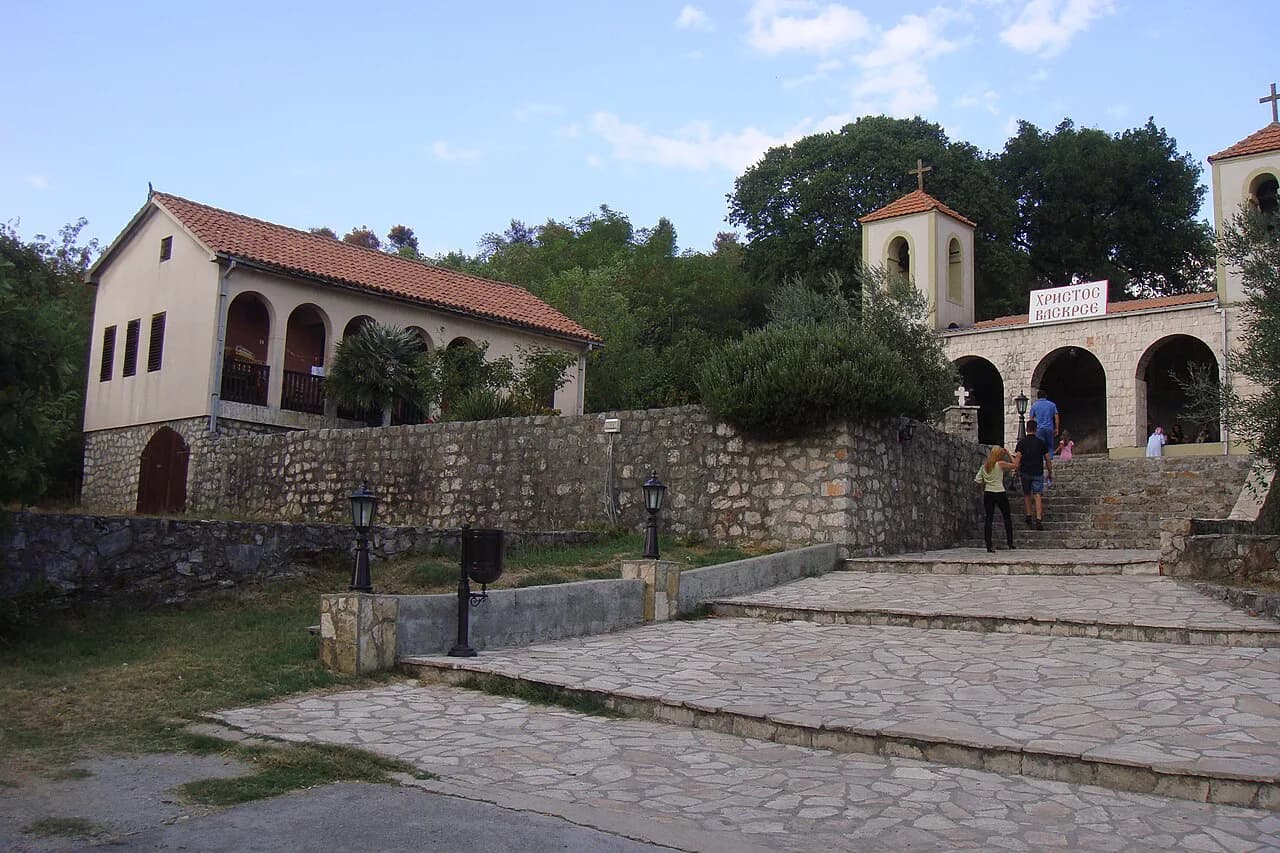
Start in Stara Varoš, the old quarter, where narrow streets, centuries-old mosques, stone houses and hidden courtyards survive the wartime destruction that reshaped most of the city. The Clock Tower, built in the 18th century, is one of the few structures to come through the war and remains the focal point of the district. The Podgorica Old Town guide covers this quarter in more depth.
Allow the best part of a morning here, because the pleasure is in the wandering rather than in ticking off façades. The small traditional cafés of the quarter suit a mid-morning pause with a Turkish coffee before you head towards the modern centre.
Day 1 midday: the Centre of Modern Arts in the park
The Centre of Modern Arts sits in the pink Petrović Palace in the middle of a park, and entry is free for both the permanent and temporary exhibitions. Labels on the works are sparse, so hiring a guide adds the stories behind the artists if you want more than a quick look.
Treat this as the shaded, indoor half of the day: it breaks up the walking and gives you somewhere to wait out a shower. If galleries are the point of your trip, the museums in Podgorica page sets out the other collections worth your time.
Day 1 afternoon: Republic Square and King's Park
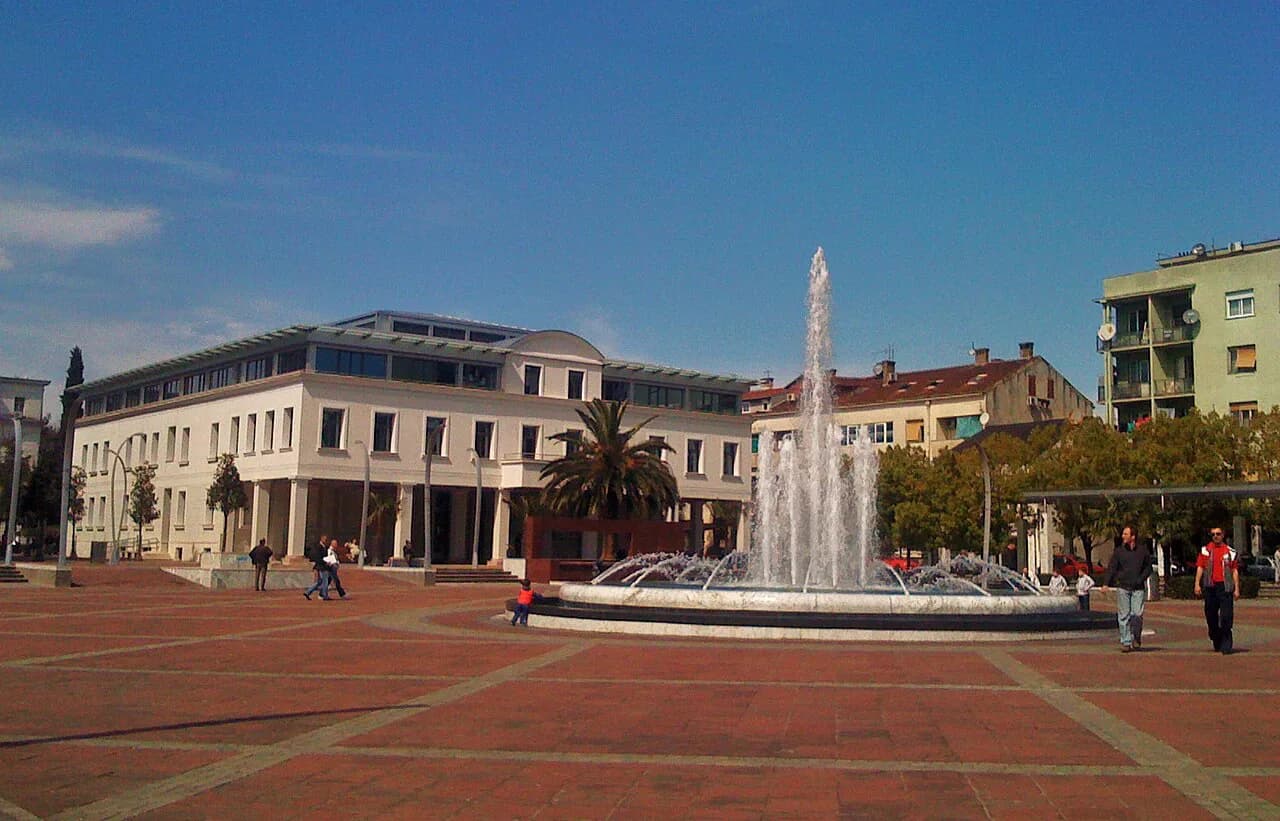
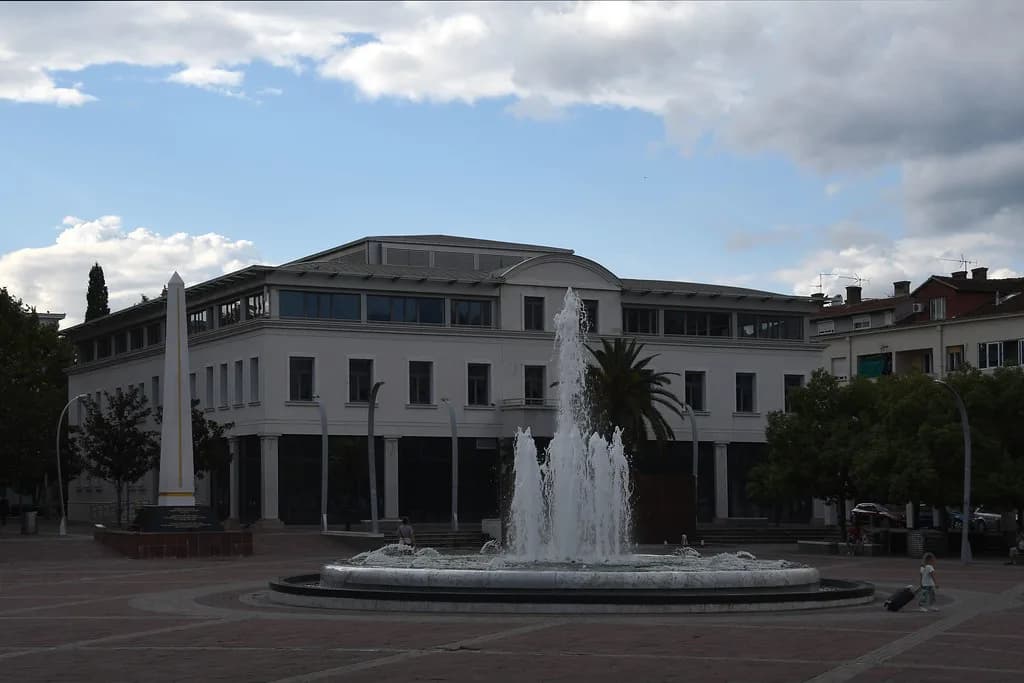
Republic Square is the cultural heart of the centre, used for public events, performances and local markets, and King's Park is the green retreat named after King Nikola with flower beds, sculptures and tree-lined paths. Pair them for a slow afternoon of people-watching, an ice cream and a coffee rather than a checklist of monuments.
Both are free, open public spaces in the middle of the city, so they flex around whatever time the palace gallery took. This is also the natural point to sit down for a proper lunch before the evening walk.
Day 1 evening: the Morača riverbank and the Millennium Bridge
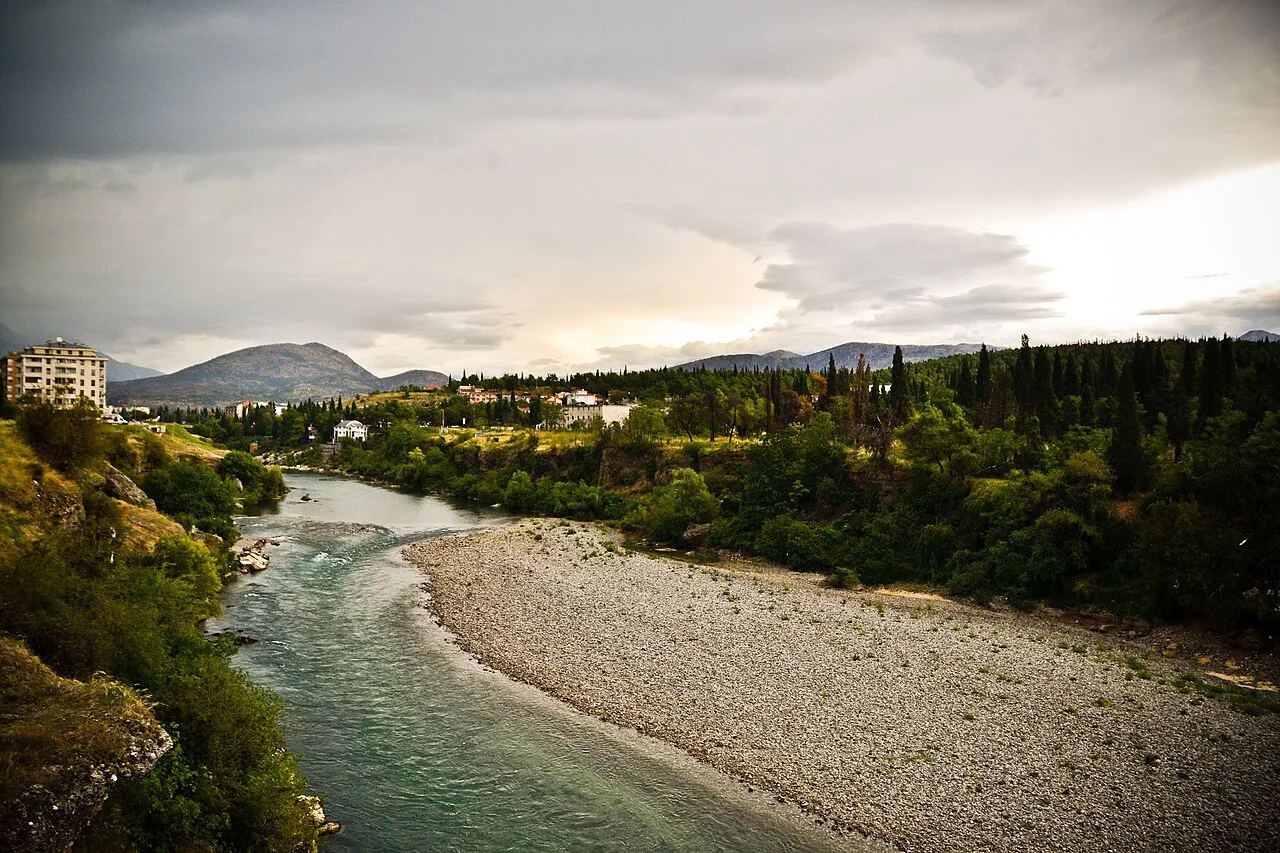
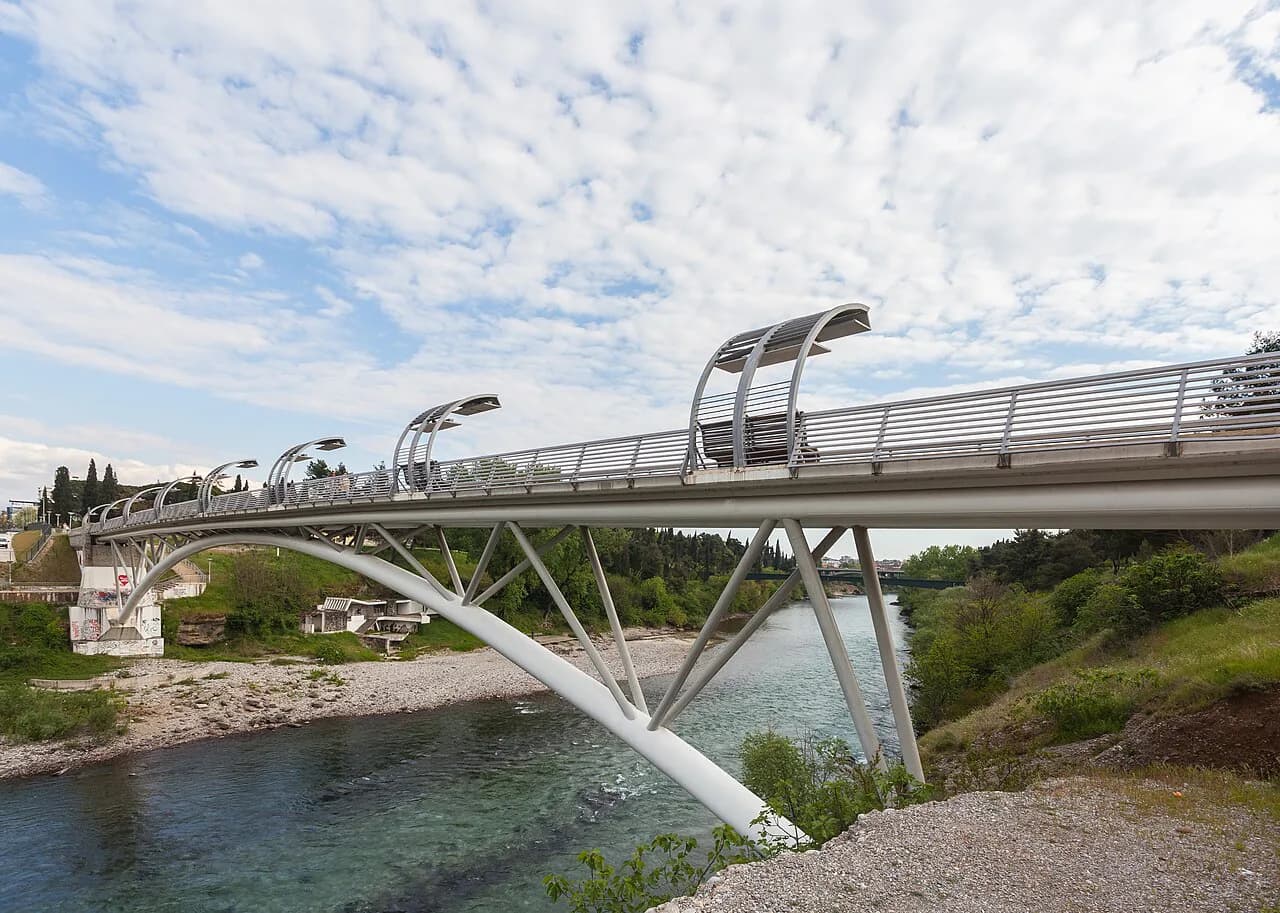
Walk the pedestrian paths along the Morača River towards the Millennium Bridge, the cable-stayed crossing completed in 2005 and now one of the city's most recognisable landmarks. It looks its best lit up after dark, so time the riverbank stroll for dusk.
Photographers get the strongest contrast between the sleek bridge and the surrounding natural setting from the riverbanks. Keep the walk one way and take a taxi back if the evening has turned cool.
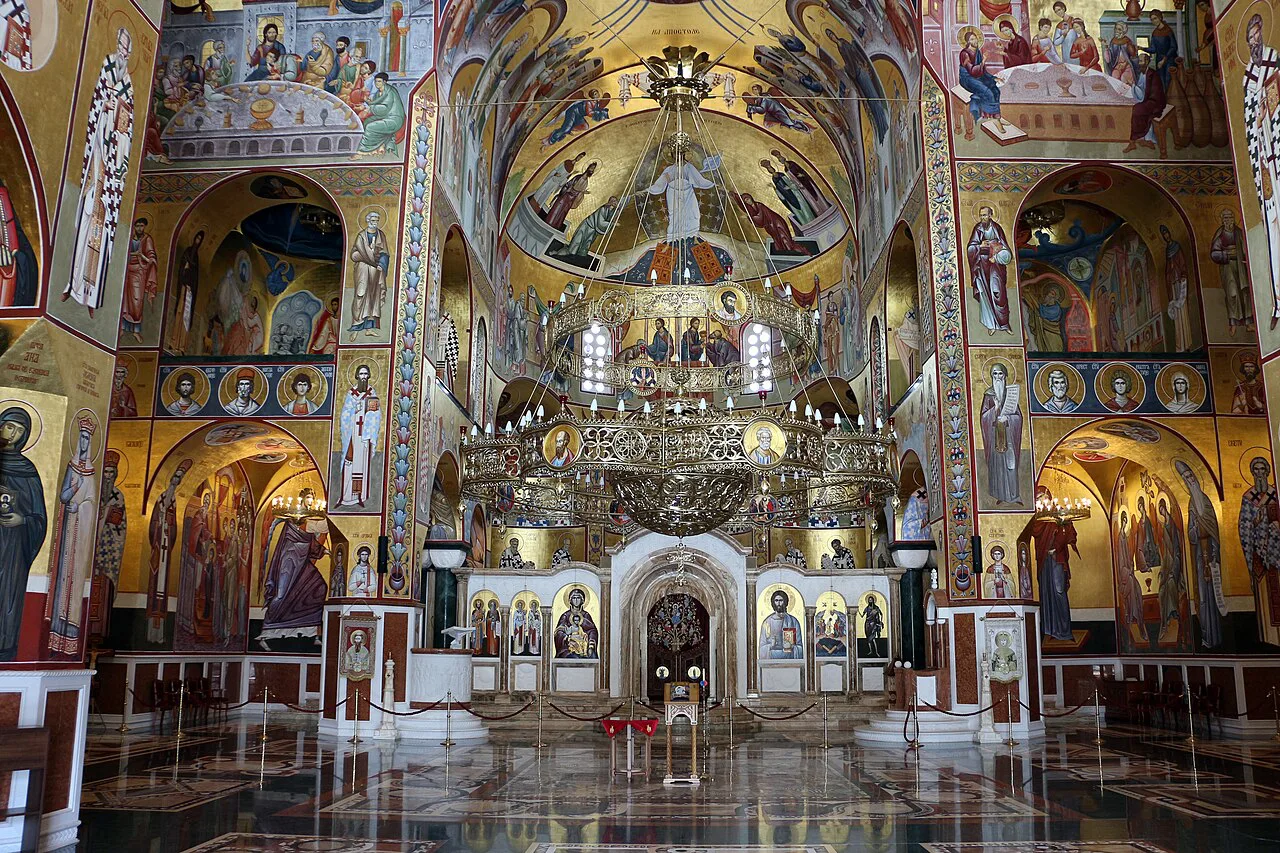
Day 2 morning: the Cathedral of the Resurrection of Christ and the centre streets
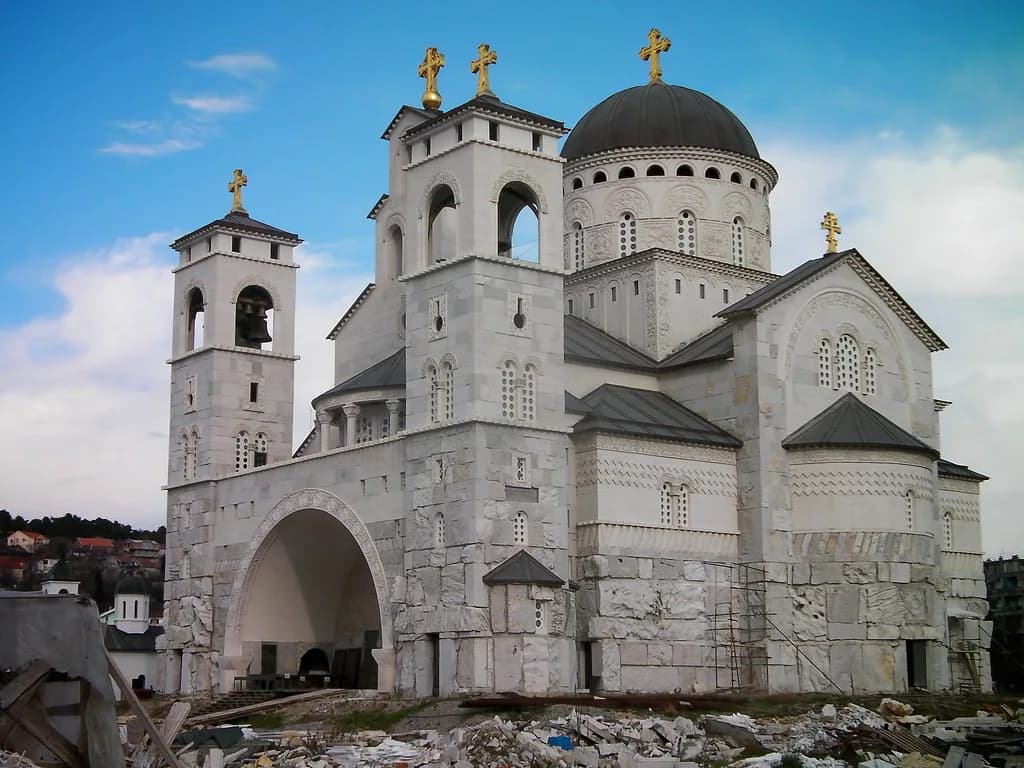
Begin day two at the Cathedral of the Resurrection of Christ, then use the surrounding centre streets to link the rest of the day's stops on foot. The centre rewards slow wandering rather than a fixed route, and the modern streets sit within easy reach of the parks you crossed yesterday.
A guided Podgorica walking tour makes sense on this morning if you want the city's layers explained as you go, rather than reading up afterwards. Otherwise keep the morning loose and let the cathedral set the pace.
Day 2 midday: one museum collection at a time
The Museum and Gallery of Podgorica holds archaeological finds, paintings and historical exhibits that run from prehistory to the modern era, including material that ties into the city's Roman and Ottoman past. The Montenegrin Natural History Museum covers the country's flora and fauna, and makes a good counterweight if your first collection was heavy on history.
Pick one collection for the late morning and keep the other in reserve for a wet afternoon, rather than trying to absorb both in one stretch. This is the day's indoor anchor when the weather turns.
Day 2 afternoon: Doclea, the falls and the wine cellar in one leg
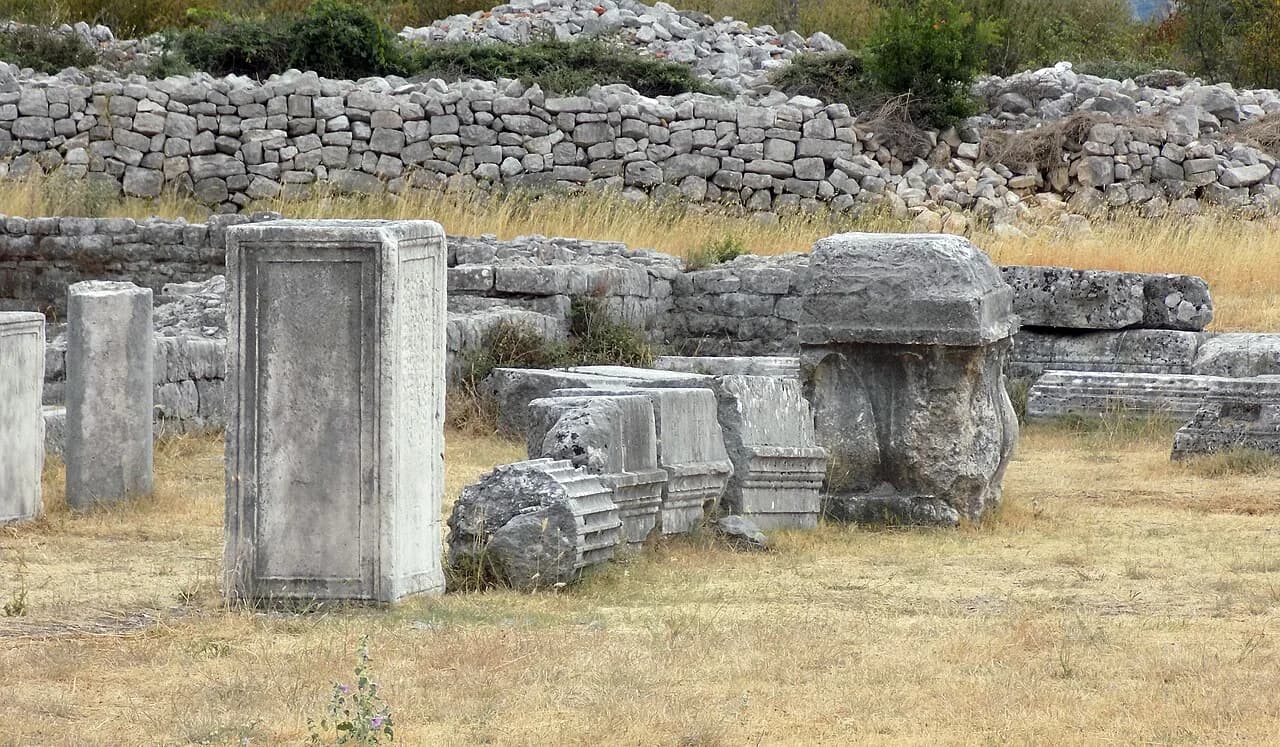
Doclea, the Roman city ruins beyond the centre, rewards a proper look rather than a photo stop. The Niagara waterfall about seven kilometres from the centre and the Šipčanik cellar, roughly eight kilometres out towards Lake Skadar, lie in a similar direction, so a taxi or car can chain them into one loop.
The falls only come to life in winter, so a summer or early autumn visit will find the riverbed landscape rather than a torrent. The cellar runs tours and tastings year-round, which makes it the reliable half of this loop whatever the season; book or confirm timings with the cellar before you set out.
Day 3 option: Lake Skadar National Park
Lake Skadar National Park lies south of the city on the Zeta Plain and makes the most natural third day, with boat trips and birdlife in a landscape that feels far from the capital. Base the day around the lake villages and the water rather than trying to combine it with Doclea or the falls.
Transport is the deciding factor: without a car, ask your accommodation or a local operator about transfers and boat departures before committing to the day. Arrange the return leg in advance, because services thin out later in the afternoon.
Day 3 option: the train to Kolašin
The railway from Podgorica to Kolašin is the other strong third day, with mountain scenery that many visitors rate as the highlight of the journey north. It suits travellers who want a landscape day without driving, and it pairs badly with a lake day, so choose one rather than attempting both.
Check departure times at the station or through the operator before you build the day around the train, and plan for a return in daylight if you want the views in both directions.
Getting around: what is walkable and what needs a taxi
Stara Varoš, the palace park, Republic Square, King's Park and the Morača riverbank all sit within a walkable core. Doclea, the Niagara falls and Šipčanik are the exceptions and justify a taxi or a hired car for the afternoon.
Local buses serve the wider city, but for a short visit the cost of a taxi is usually easier to justify than working out routes. The city is also the transport hub for the rest of Montenegro, which makes it a sensible base for the lake and mountain legs.
Where the itinerary flexes: rain, heat and a quiet city
On a wet day, swap the riverbank and ruins for the museums and the palace gallery, both of which sit indoors in the centre. In summer heat, push the walking to early morning and late evening and spend the middle of the day in the parks or galleries.
Podgorica sees far fewer visitors than the coast, so the plan rarely needs adjusting for crowds, and the capital makes an easy contrast to the Bay of Kotor and the Adriatic Sea. If you have only one day, run the Stara Varoš morning into the riverbank evening and leave the museums for next time.
Which third day should you book?
Take the lake if you want water, boats and a slower day out, and take the Kolašin train if mountain scenery from a window seat appeals more. Both are full days from the city, and neither combines well with the other.
Whichever you choose, confirm the day's transport and timings with the operator the day before, then keep the first two days on foot as planned.
Explore more Podgorica guides
Frequently Asked Questions
Do you need a car to get around Podgorica?
No for the centre: Stara Varoš, the palace park, Republic Square, King's Park and the Morača bridges form a walkable core. A taxi or hired car makes the Doclea, falls and Šipčanik loop much easier, and it is worth arranging transfers for a Lake Skadar day.
What can you do in Podgorica in one day?
Spend the morning in Stara Varoš around the Clock Tower, take in the free Centre of Modern Arts, then cross Republic Square and King's Park before an evening walk along the Morača to the Millennium Bridge. That route keeps you on foot for the whole day.
Sources
Notes for your Montenegro trip
Optional updates to our Montenegro town guides.
You might also like
Continue reading
More guides you'll find useful