Priganice: Montenegro's Fried Dough, Explained
Priganice are small fried dough balls eaten in Montenegro, served warm with honey, jam, young cheese or skorup. Here is how they are made and ordered.
On this page
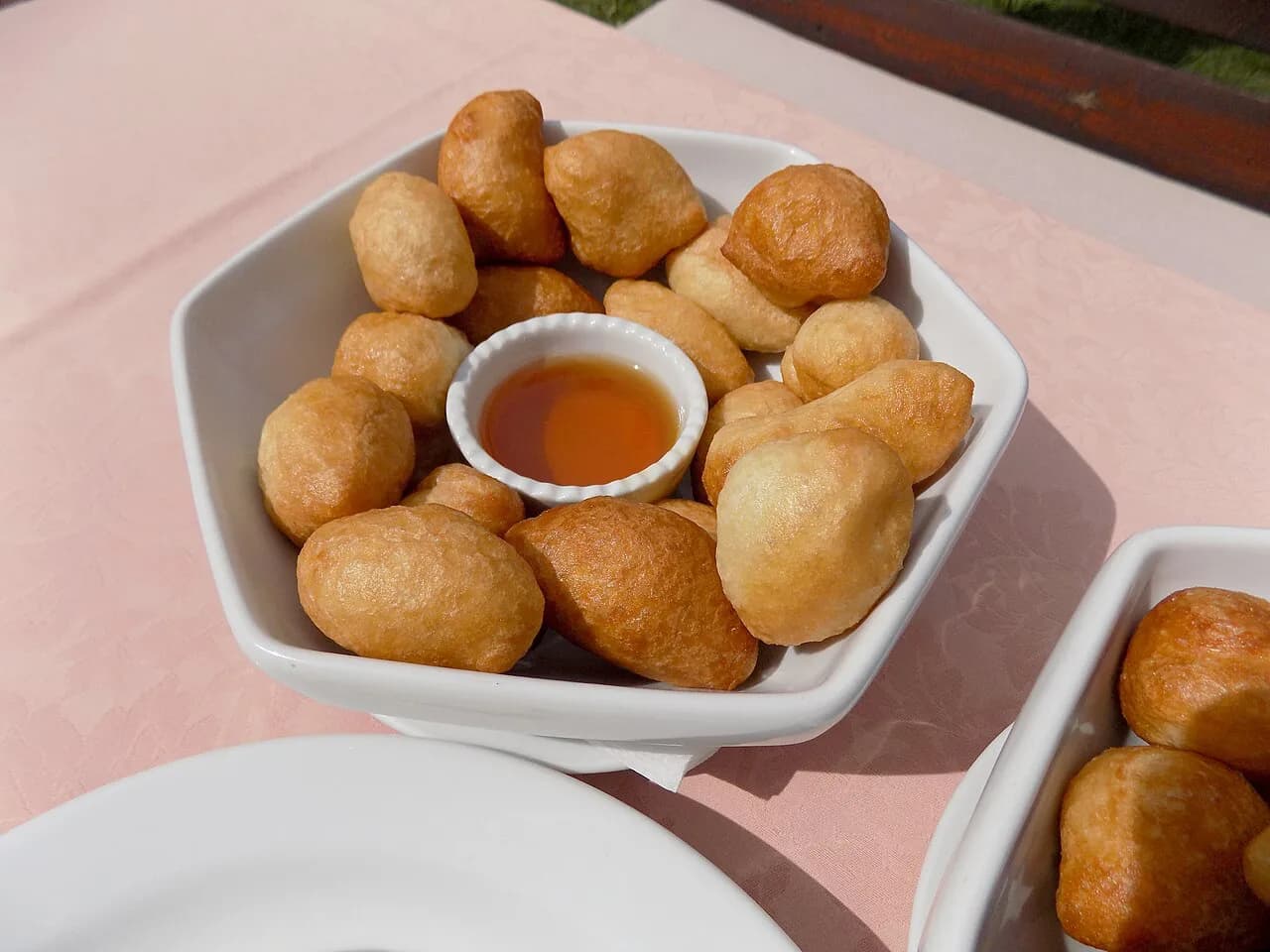
Priganice are small pieces of soft yeast dough dropped into hot oil and fried until golden, then eaten warm with honey, jam, sugar, young cheese or skorup. They turn up most often as a breakfast or a sweet finish to a mountain meal, and they are easy to order once you know the accompaniments. This guide covers what goes into the dough, how it is fried, what it tastes like, how it fits into Montenegrin mountain cooking and how to ask for it.
The dish belongs to Montenegro and Herzegovina, where it is eaten as a kind of fried dough similar to uštipci or doughnuts. It is home cooking rather than restaurant theatre, so the version you meet depends on who made it. Priganice sit alongside the wider savoury and sweet repertoire covered in our Montenegrin food guide, from cured meat to cheese and honey.
What priganice are
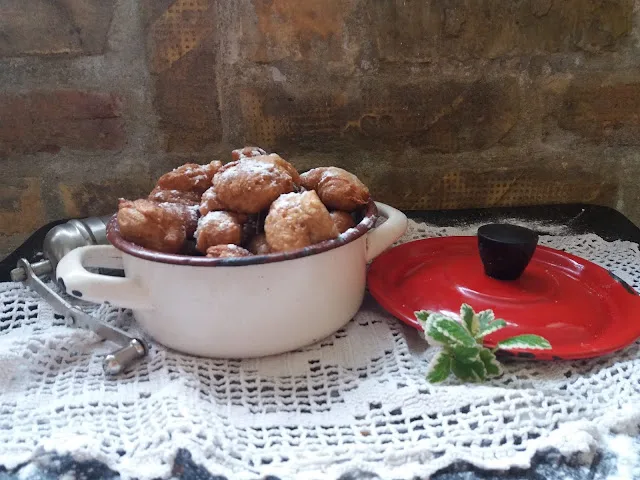
Priganice are a fried dough dish, made from a soft yeasted mixture that is spooned into hot oil rather than shaped by hand. They come out as rough, rounded puffs, closer to a fritter than to a neat ring doughnut. In Montenegro and Herzegovina they have been eaten for a long time and are grouped with uštipci and doughnuts as cousins rather than as the same thing.
Treat them as a homemade dish first. The recipe most cooks follow is loose and forgiving, with quantities adjusted by feel and by the flour in front of you. That is why two plates of priganice in the same town can look and taste quite different.
They are not a pastry-shop item in the way a croissant is. You meet them at breakfast tables, in mountain households and on menus that lean on domestic cooking, often next to other dishes built from cornmeal and cheese such as kačamak.
How the dough is made and fried
A typical home method starts with yeast proofed in lightly sweetened warm water, then mixed into flour with salt, oil and more water. The dough is deliberately looser than bread dough, so it can be beaten with a wooden spoon and then left to rest in a warm spot for about an hour.
Are priganice sweet or savoury? Both, depending on what comes with them. The dough itself is not sweet; it is fried plain and then served with honey, jam or sugar for a sweet plate, or with skorup and young cheese for a savoury one.
What are priganice made of? Flour, water, yeast, salt and oil, mixed into a dough that is looser than bread dough, left to rest in a warm place and then fried in hot oil. Quantities vary by cook, and some add yoghurt or rakija to the mixture.
Do you eat priganice for breakfast? They work well at breakfast and are often served then, warm, with cheese, honey or jam. They also appear as a sweet course after a mountain meal, so the timing depends on the kitchen.
After the rest, portions are lifted out with a spoon and fried in hot oil the way doughnuts are, turning so they colour evenly. The aim is a dough that takes on as little oil as possible, which is why cooks argue about how wet the mixture should be and whether a spoonful of yoghurt or rakija helps.
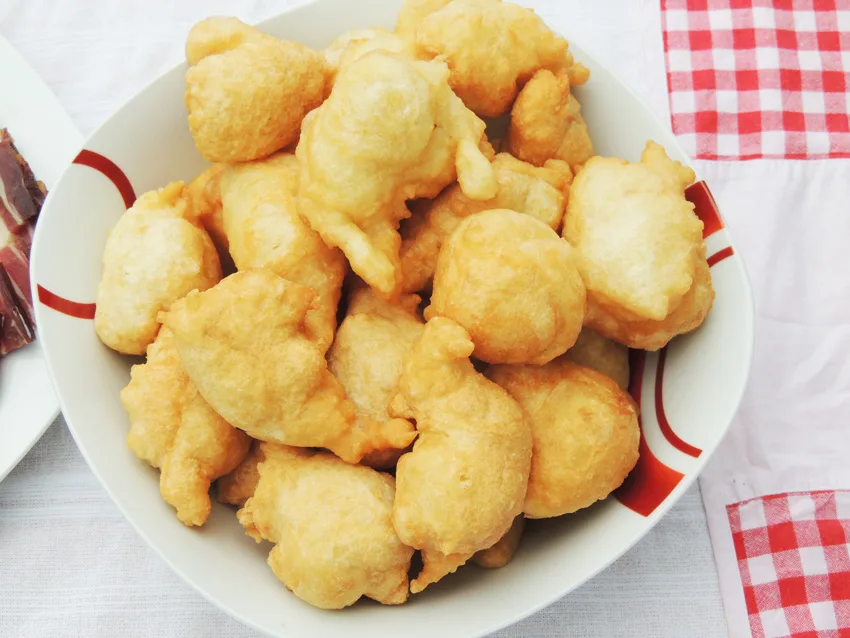
Because the mixture is soft, the cooked puffs are irregular and hollowish in places rather than uniform. A cook watching the pan will pull the small ones out first so they do not darken while the larger ones finish.
What priganice are served with
Priganice arrive warm, and the choice alongside them decides whether the plate reads as breakfast or as pudding. The usual set is skorup or young cheese, honey, jam, sugar and sometimes plain yoghurt, and cooks often suggest yoghurt or rakija in the batter as well as on the side.
For a savoury-leaning plate, pair them with the dairy traditions of the north: a slice of Njeguški sir or a spoon of young cheese balances the oil. If you want the wider picture of Montenegrin cheeses, our Montenegro cheese guide sets out what you are ordering and where the regional styles come from.
Sweet versions lean on honey, jam or plain sugar, and a glass of rakija alongside is a common mountain pattern. If you are working out which bottle to try with them, our Montenegro rakija guide covers the main styles.
What they taste like and how they differ from doughnuts
Priganice are soft and faintly yeasty inside, with a thin fried crust and a greasiness that depends entirely on the oil temperature. Cooks in Montenegro describe a really good batch as softer than any doughnut, which is the comparison they reach for themselves.
The difference from a doughnut is shape and sweetness. Priganice are unsweetened in the dough and irregular in shape, so the sweetness comes from what you spoon over them rather than from the batter. Eat them soon after frying, because a cold priganica loses the contrast between crust and crumb.
Where priganice sit in Montenegrin mountain cooking
In the north, priganice belong with the filling, cold-weather cooking: dough, cheese, cornmeal, cured meat and honey. The mountain larder is built around livestock and farming, and the food is hearty by design because the climate and the physical work demand it.
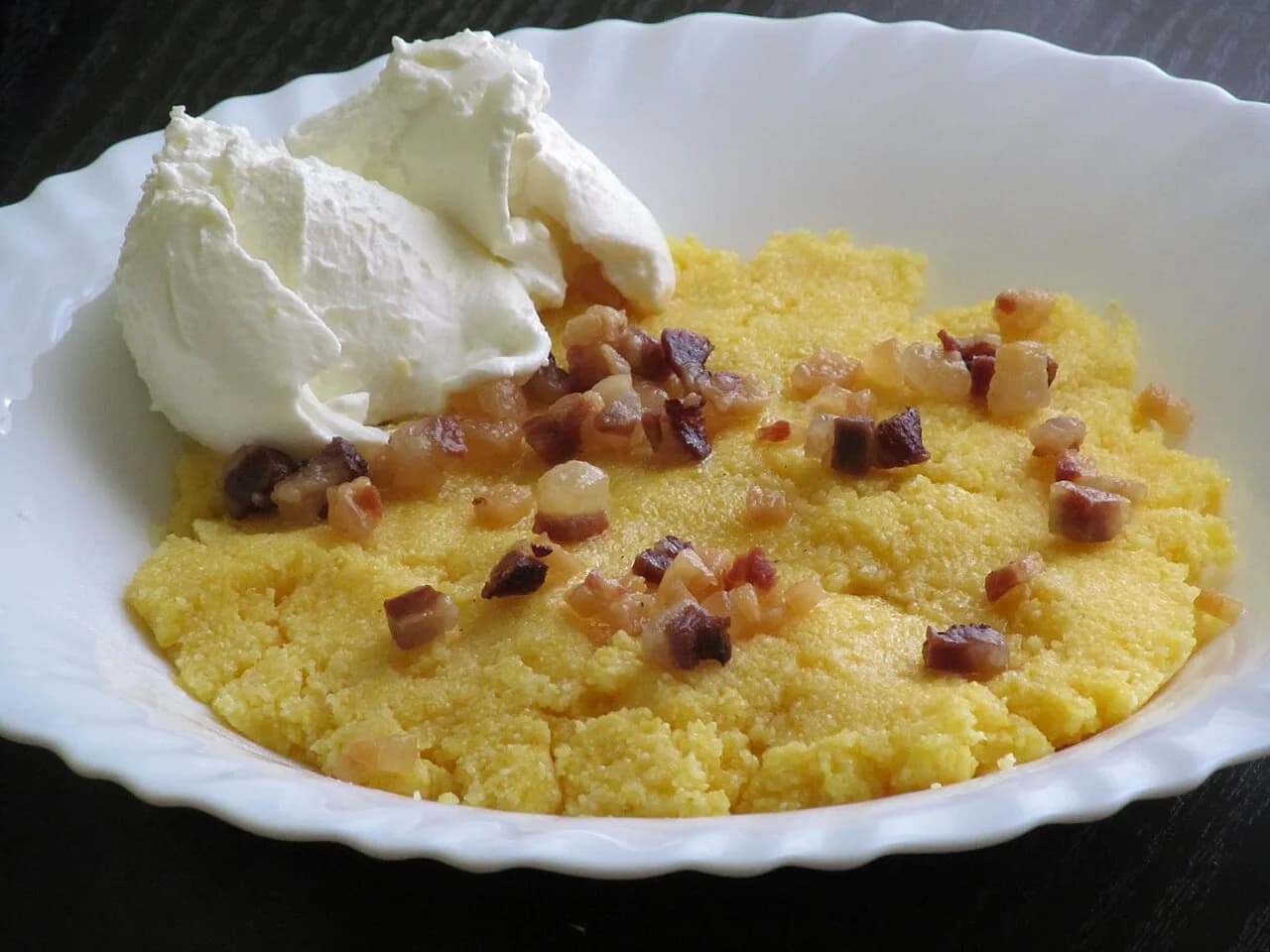
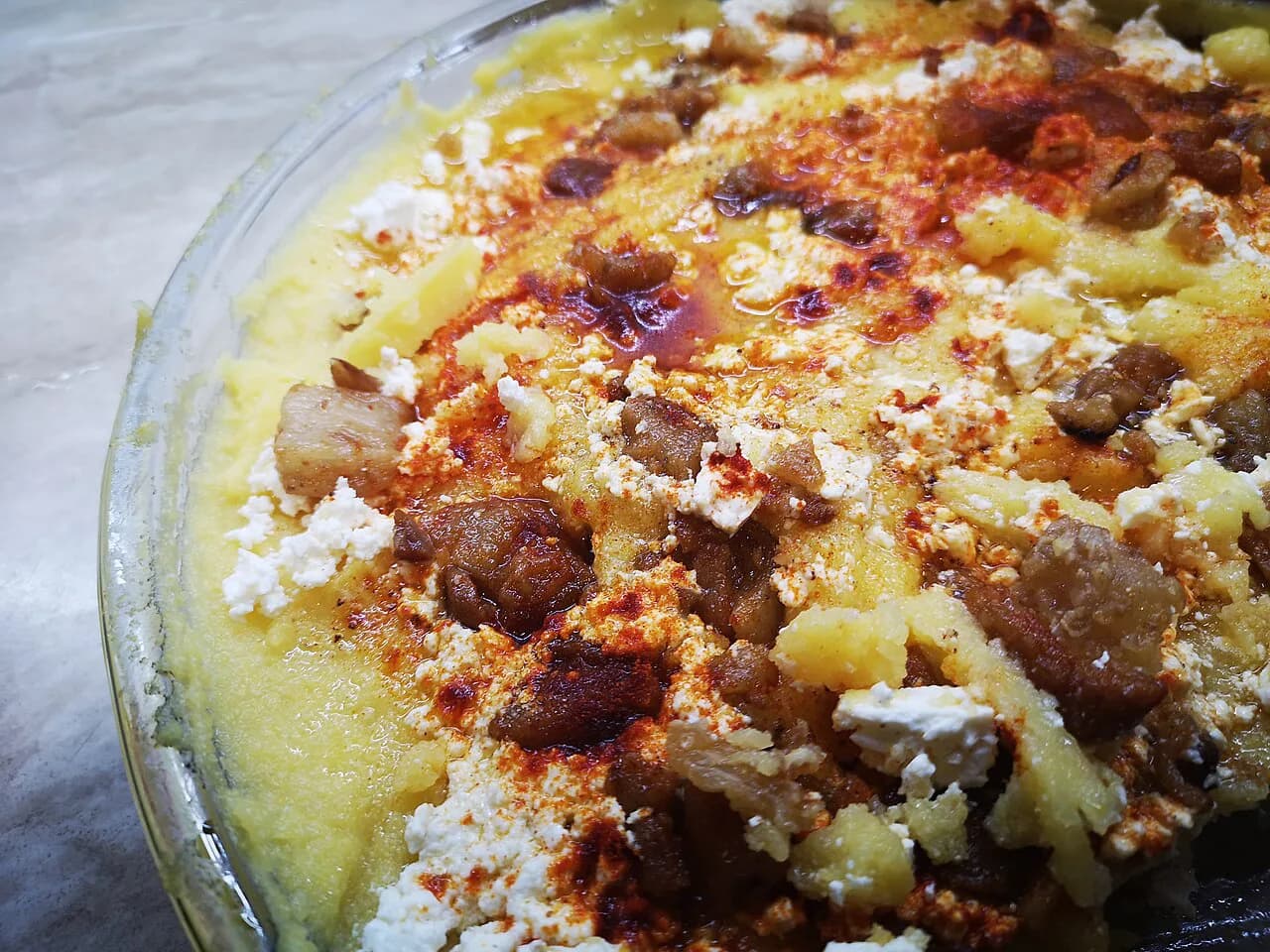
That puts priganice in the same register as polenta-style dishes such as cicvara, which mixes cornmeal and cheese into a soft, savoury bowl. If you like the sound of that side of the menu, our cicvara guide explains what you are getting.
The sweet end of the same table runs to honey, jam and fried dough, with priganice among the most straightforward things to try. Our Montenegro desserts guide is the place to look if you want to plan a whole route around the sweet dishes.
How to order priganice as a visitor
Ask for priganice by name and then say what you want with them, because the dish is usually assembled at the table. A workable order is priganice with young cheese, or priganice with honey and a spoon of skorup, plus a coffee or yoghurt. If a place serves them only at breakfast, that is when to go.
Portions vary with the kitchen, so ask whether the order is a plate to share or a single serving before you add anything else. Where priganice are made from scratch, that means a wait while the dough rests and the oil heats.
If you want a savoury plate to go with them, cured pork is the usual partner in the north. Our guide to Njeguški pršut covers the dry-cured ham that often shares a table with cheese and fried dough.
A priganice cooking session in Berane
In Berane, a village-tradition activity hosted at the Delević household with Sanja sets out to teach the preparation of traditional priganice using methods that the hosts say have stayed unchanged for a hundred years. The session runs for two hours and includes a tasting of freshly prepared priganice, the cooking itself and the original recipe to take home.
The ingredients come from the estate and from nearby farms, and the activity suits couples, families and friends. It is marked as child-friendly and as not accessible for people with disabilities, and pets are not allowed. The page lists the activity as currently unavailable, so treat it as something to ask about rather than something to book.
The activity description frames the region's cooking as the meeting point of several communities' customs, with the shared thread being strong, caloric food for hard weather and hard work. That is a useful way to read a plate of priganice: fuel first, sweetness second.
Make priganice your first mountain breakfast
Order priganice early in the day, ask for them warm and choose one dairy and one sweet accompaniment so you can taste the difference. In the north around Berane they are part of the same hearty table as cheese, cornmeal dishes and cured meat, which makes them a sensible first breakfast before a day outdoors.
If you want to cook them yourself, use a loose yeasted dough, rest it warm, and fry spoonfuls in hot oil until golden. Serve them straight away with skorup, young cheese, honey or jam, and accept that the batch will be uneven, because that is how the dish is meant to look.
Explore more Montenegro guides
Frequently Asked Questions
Are priganice sweet or savoury?
Both, depending on what comes with them. The dough itself is not sweet; it is fried plain and then served with honey, jam or sugar for a sweet plate, or with skorup and young cheese for a savoury one.
What are priganice made of?
Flour, water, yeast, salt and oil, mixed into a dough that is looser than bread dough, left to rest in a warm place and then fried in hot oil. Quantities vary by cook, and some add yoghurt or rakija to the mixture.
Do you eat priganice for breakfast?
They work well at breakfast and are often served then, warm, with cheese, honey or jam. They also appear as a sweet course after a mountain meal, so the timing depends on the kitchen.
Sources
Notes for your Montenegro trip
Optional updates to our Montenegro town guides.
You might also like

Continue reading
More guides you'll find useful