Montenegro Rakija: Lozova, Orahovac and How It's Served
Montenegrin rakija is usually lozovača, the grape brandy poured as a welcome shot. Here's what else you'll meet, from Njeguši's orahovac to plum and quince.
On this page
Rakija in Montenegro means fruit brandy, and the one you will most often be offered is lozovača, distilled from grapes rather than the plum šljivovica that leads elsewhere in the Balkans. That single difference shapes what you order: expect a clear, dry spirit that works with the smoked ham and salty cheese already on the table. This guide covers the main varieties, the walnut liqueur tied to Njeguši, and the other traditional drinks you will meet alongside them.
What rakija is and what makes the Montenegrin version different
Rakija is a general term across the Balkans for fruit brandies, made by fermenting fruit and then distilling it. In most of the region the familiar names are plum-based, but Montenegro's wine-growing character pushes grape to the front, which is why lozovača is the standard pour rather than an alternative.
The base fruit changes from household to household, covering grapes, plums, pears, quinces and apples, so there is no single recipe behind the word rakija. If you want a broader picture of what turns up alongside it, from ham to cornmeal dishes, our Montenegrin food guide sets out the table you are likely to meet it on.
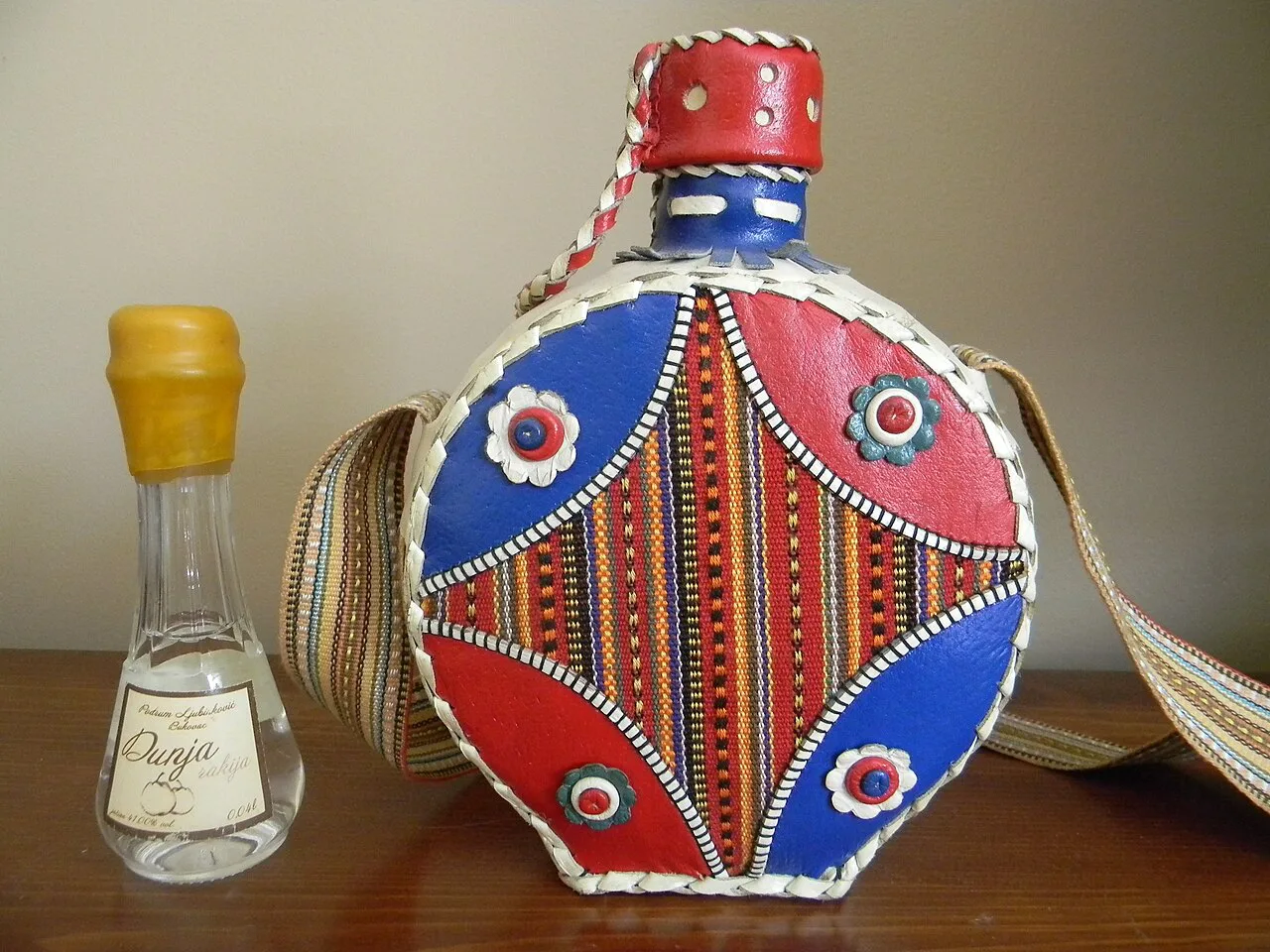
Lozovača: the grape brandy you are most likely to be poured
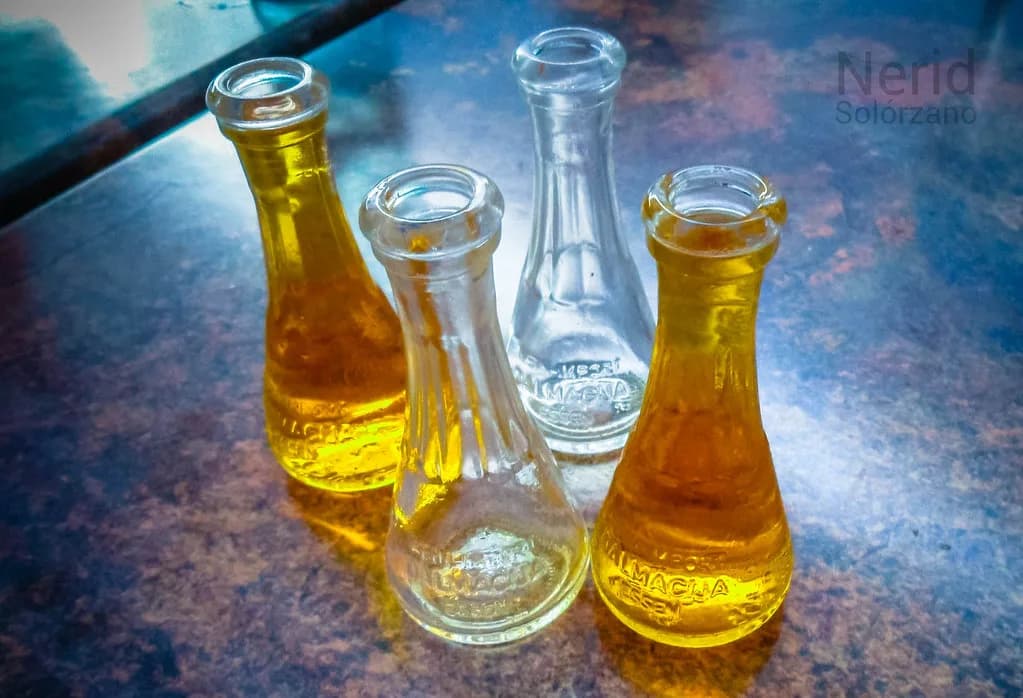
Lozovača, often shortened to loza, is grape brandy and the default variety in Montenegro. It is made in the same way as other rakijas, but the starting material is the grape, so the result carries the country's wine-growing character rather than the heavier fruit sweetness of plum.
The palate is described as smoother than šljivovica, which makes it the easier introduction if you are unsure what to accept. It is offered as a welcome shot, traditionally before introductions are done, and the welcome pour is meant to be sipped rather than knocked back in one go.
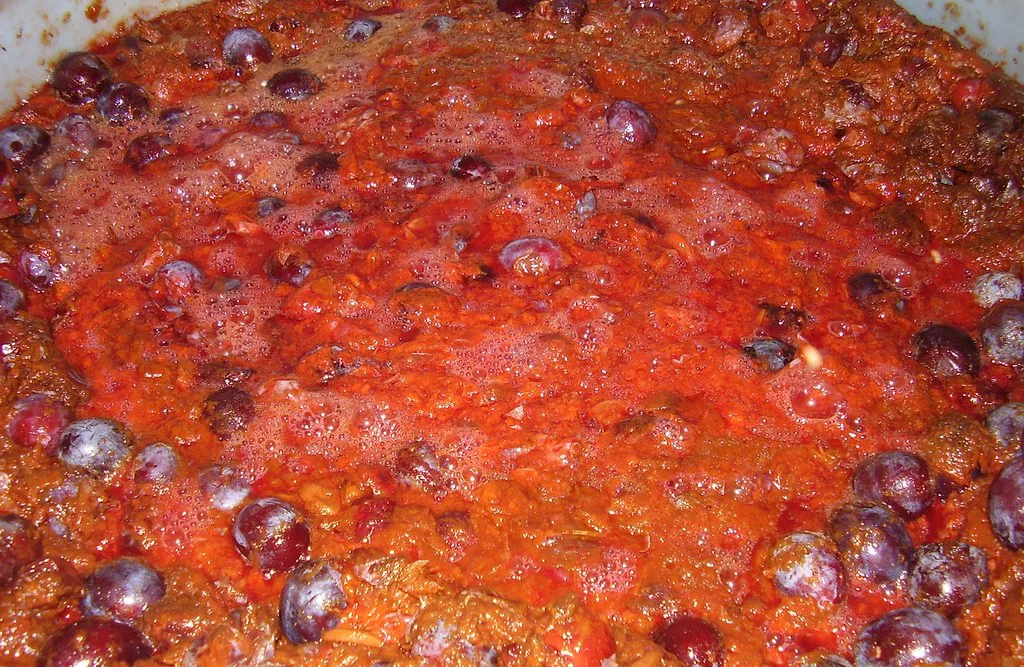
Other fruit rakijas: plum, pear, quince and apple
Šljivovica, the plum version, is the benchmark across the Balkans and still exists widely in Montenegro, even if it is not the first bottle opened. Pear, apple and quince versions follow the same logic, and each household tends to have its own supply.
Quince rakija, known as dunja, is less widespread than the grape and plum pours and turns up more often as a special bottle than an everyday one. If it is offered, treat it as a distinct drink with its own profile rather than a variation on loza.
Orahovac: the walnut liqueur of Njeguši
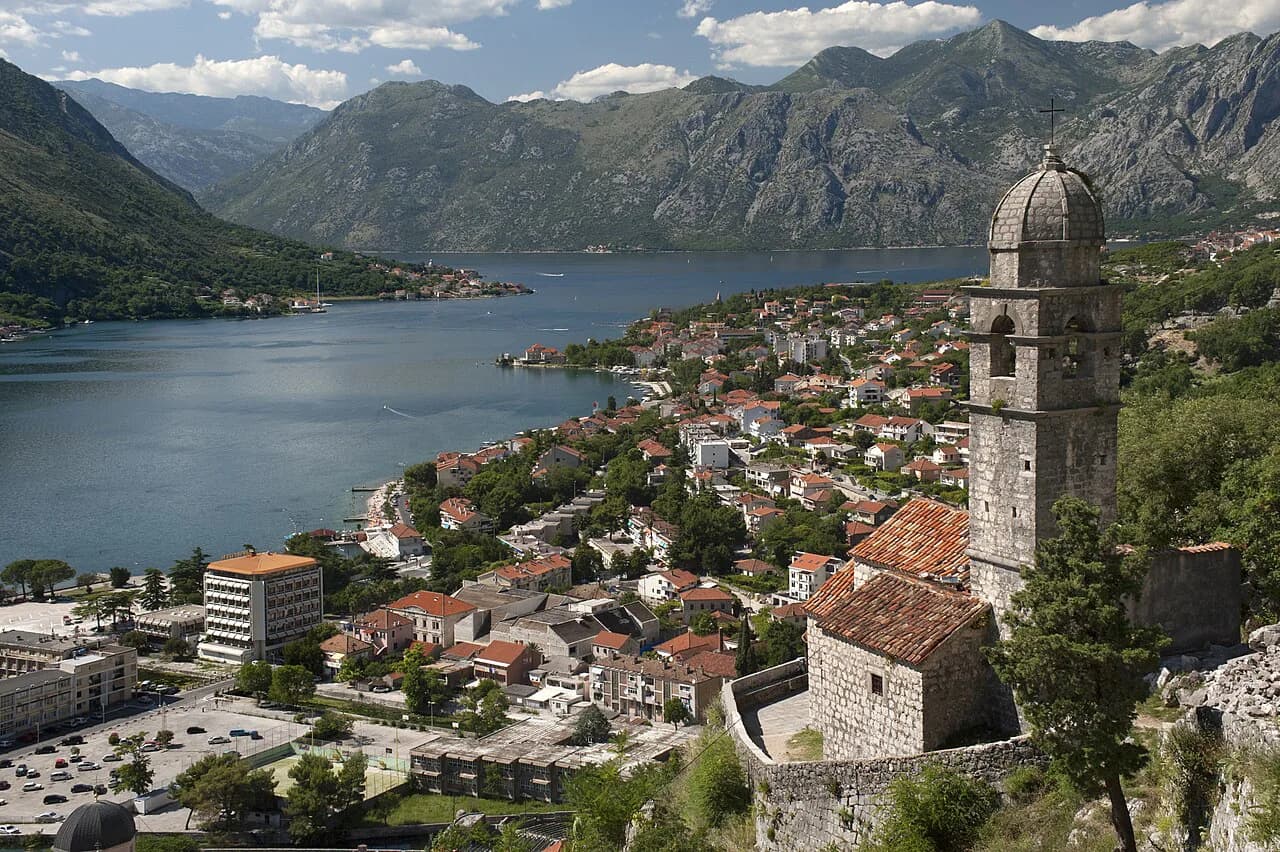
Orahovac is a different drink altogether: whole green walnuts are steeped in rakija, traditionally loza, for 30 days or longer until the spirit turns deep brown and takes on a bittersweet, coffee-like depth. It is strongly associated with Njeguši, the mountain village below Lovćen, where a visit often opens with a welcome shot before the smokehouse tour begins.
Because of that steeping, orahovac drinks like a liqueur rather than a brandy, and it works best served neat after the meal instead of as an aperitif. Its dark, bittersweet character also pairs naturally with dark chocolate if you want a second glass at the end of the evening.
How rakija is served: the welcome shot and the table
Rakija is embedded in hospitality rather than Bar culture. Records place rakija-making in Montenegro in the 15th century, and the generous pour is part of how a guest is received, so the first glass usually arrives without being ordered.
What will I be poured? Lozovača, often shortened to loza, is grape brandy and the default variety in Montenegro.
How do I order the grape brandy? Ask for lozovača, or loza; asking for rakija may bring whatever the house has open, which could be plum, pear or quince.
What is orahovac? Green walnuts steeped in rakija for 30 days or longer; it drinks like a liqueur and is best served neat after the meal.
Expect a small glass rather than a large measure. "Zdravo" is the usual greeting, and the welcome shot often arrives before the introductions finish. If you do not want more, saying so plainly is enough, and you can switch to wine or water without ceremony. It also helps to eat while you drink, since the food on the table is designed for exactly this.
Lozovača is often the first thing offered on arrival, served alongside smoked mountain ham before anything else reaches the table. That pairing, grape brandy with Njeguški pršut, is the classic opener rather than something invented for visitors.
What it is drunk with: pršut, cheese and a slow after-dinner glass
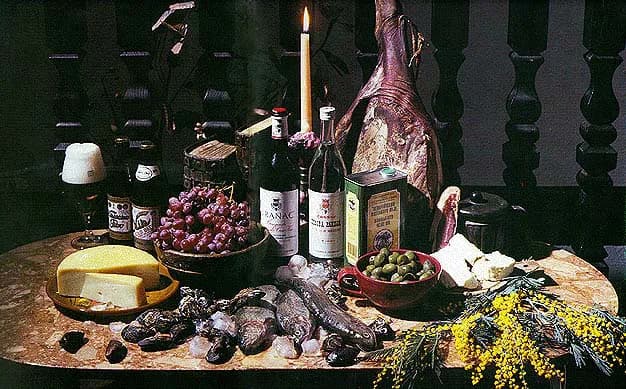
The table is the best guide to which rakija goes with what. Lozovača with Njeguški cheese works because the clean grape spirit cuts through the salt without overwhelming it, and the same glass alongside pršut is the standard opening combination.
Orahovac sits at the other end of the meal, sipped slowly once the plates have been cleared. If your visit to Njeguši includes a stop for food, our guide to Njeguški pršut explains how the village's smoking tradition fits with the welcome shot, while the wider Montenegro cheese picture covers what else tends to be on the board.
Other traditional drinks you will meet: Vranac, medovina and pelinkovac
Wine is the other constant at a Montenegrin table, and Vranac is the red grape behind much of it, flourishing in Montenegro and neighbouring Serbia with rich notes of blackcurrant and cherry. The country's wine-growing tradition, led by Vranac, is also why grape rather than plum became the base for the everyday rakija.
Medovina is honey wine, sweet and aromatic, and it turns up at festivities rather than everyday meals. Pelinkovac is a bitter herbal liqueur infused with herbs including wormwood, and it is typically taken after a substantial meal rather than as a drink in its own right.
Pelinkovac is the bitter herbal pour to know, infused with herbs including wormwood and taken after a hearty meal. If you are offered a herb liqueur, ask whether it is pelinkovac rather than assuming it is rakija, since it is a separate drink.
Rakija and the rest of the meal
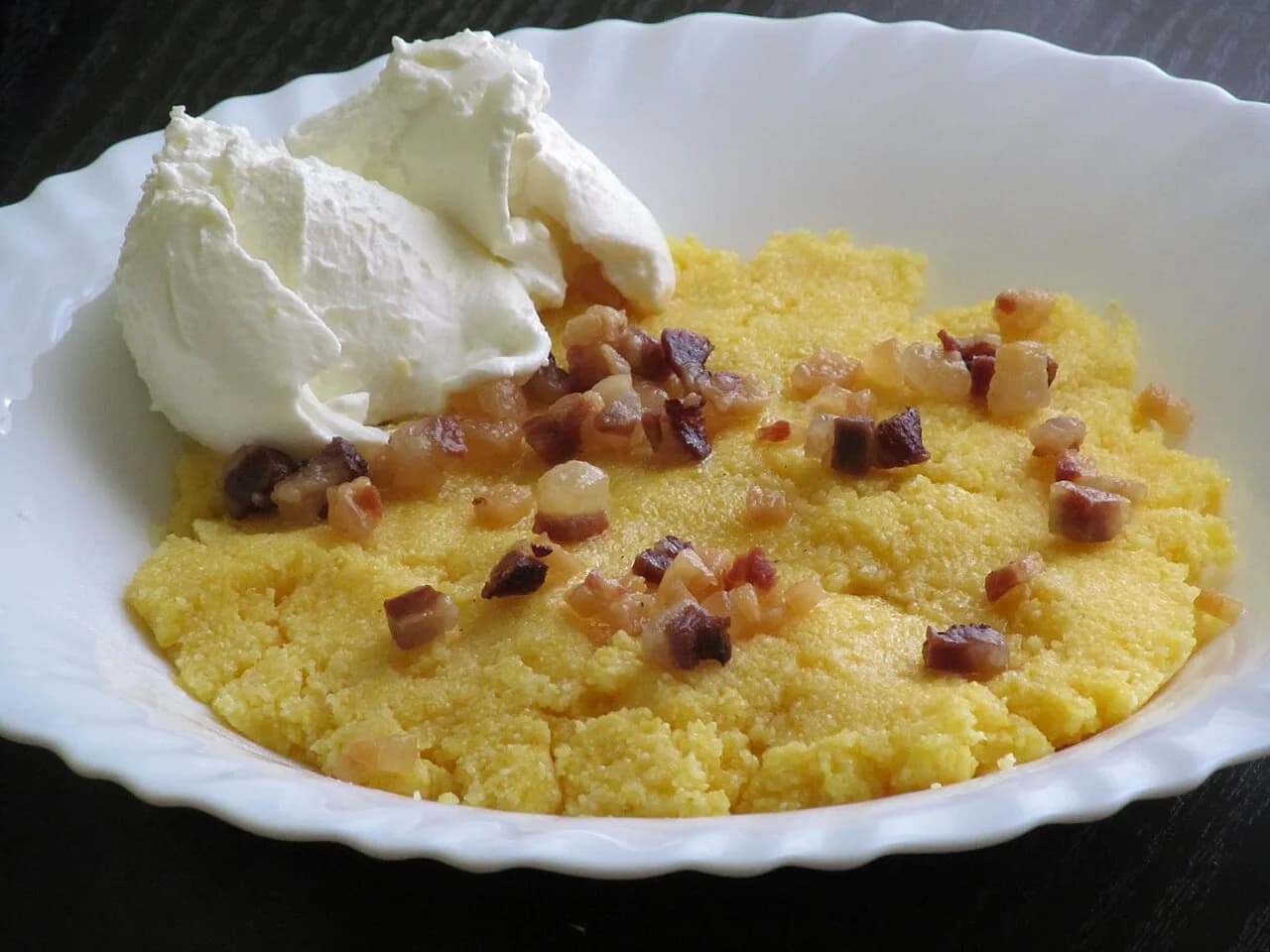
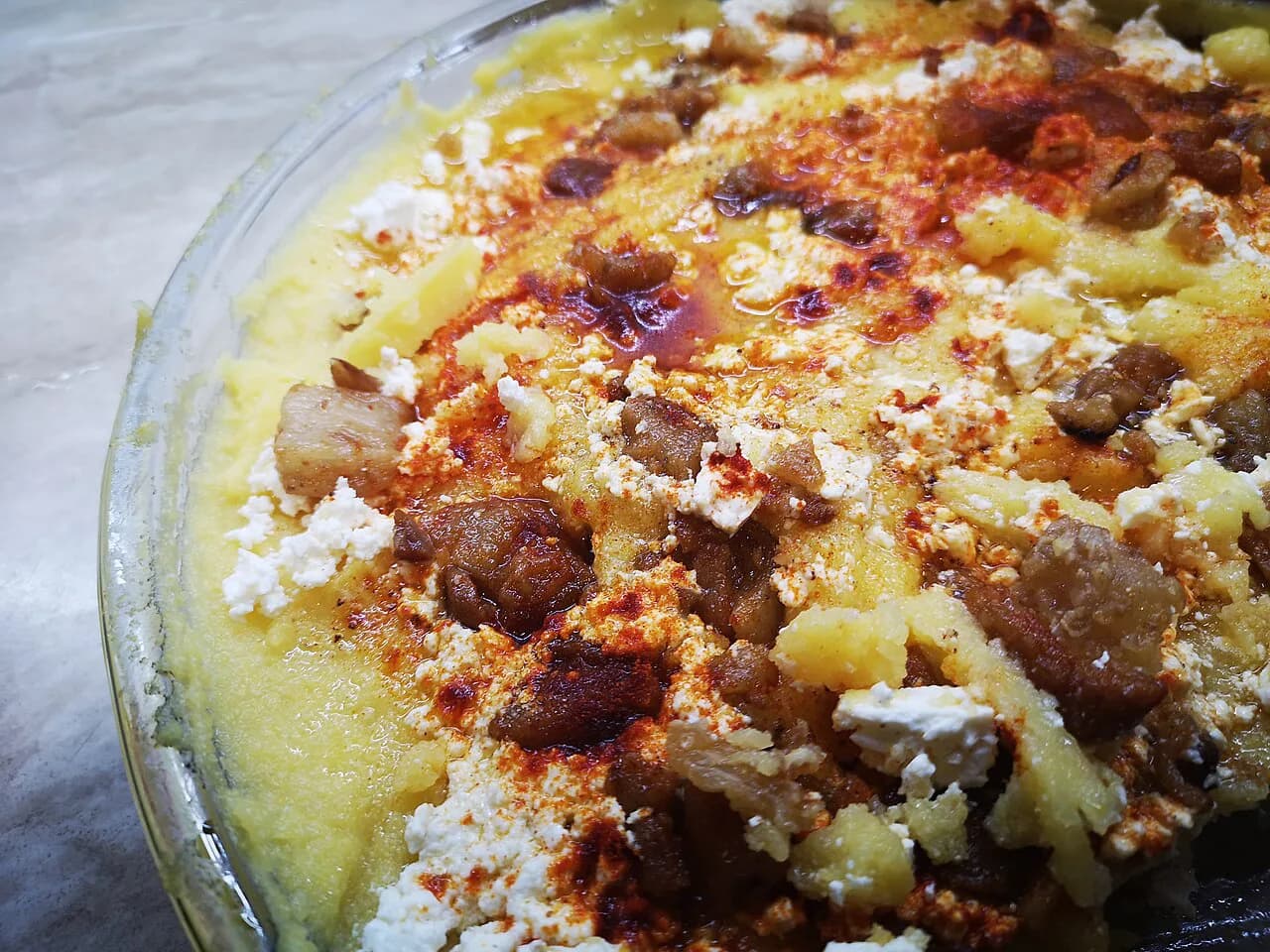
Rakija rarely appears on its own, and the dishes around it explain the pouring. If you are in the mountains and eating something warm and substantial, kačamak is the dish most likely to share the table with a glass of loza, and it sits naturally with the same ham and cheese.
Dessert rounds out the sequence: honey wine, orahovac or a sweet pastry after the plates, with the bitter herbal pours kept for people who prefer them. Our guide to Montenegro desserts covers what tends to follow.
Ordering and drinking it sensibly as a visitor
Ask for what you want by name. Lozovača, or loza, gets you the grape brandy; asking for rakija may bring whatever the house has open, which could be plum, pear or quince. If you prefer a single measure, say so when the glass first appears rather than after the second refill.
Drink responsibly, eat alongside, and keep the rest of the day's walking or driving in mind before accepting another round. Tourist offices, hotel reception and restaurant staff can tell you what is currently available at local producers and shops; prices, opening hours and tasting arrangements at individual producers are not listed here, so confirm them directly before making a trip.
Which rakija to ask for first
Start with lozovača if you want the pour you are most likely to be handed anyway, and let the table guide you from there: pršut and Njeguški cheese alongside it, a slow orahovac at the end. Seek out šljivovica and dunja as the rarer comparisons once the everyday glass has lost its novelty.
Explore more Montenegro guides
Sources
Notes for your Montenegro trip
Optional updates to our Montenegro town guides.
You might also like
Continue reading
More guides you'll find useful